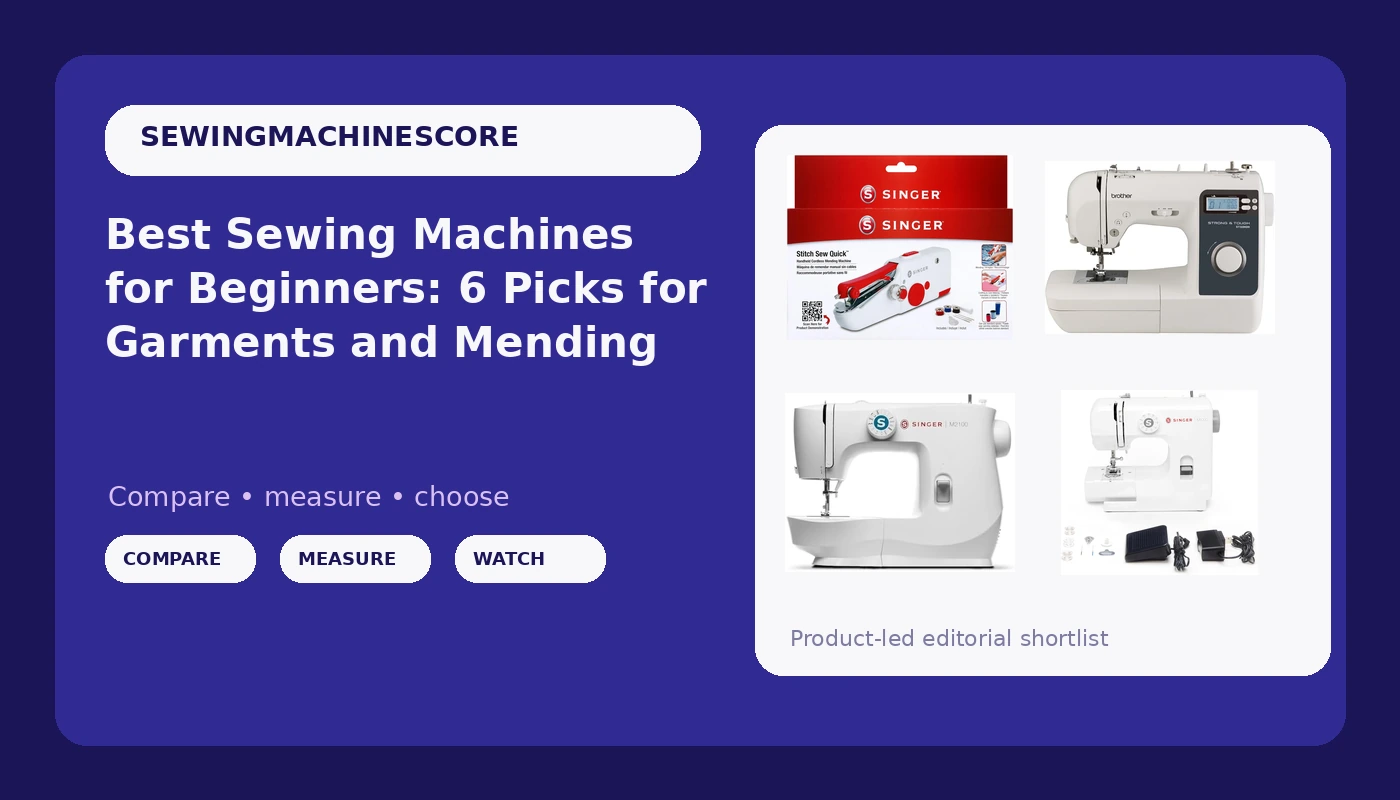
Shopping for the best sewing machines for beginners usually goes wrong in one specific way: the buyer picks a machine by stitch count and price, then discovers that the features they paid for have nothing to do with the seams they actually need to sew. The six models here cover a wide range, from a beginner-focused Janome with an interior metal frame to a cordless handheld mender that fits in a drawer, and they are not interchangeable. Some are built for garments and patchwork, some for light quilting, and some only for repairs.
The scope of this comparison is straightforward. Every machine below is a current model sold under a recognizable brand name, and each one is described by what its own product information supports: its stated stitch menu, its build description, its included accessories, and the projects the manufacturer positions it for. Nothing here depends on a price that will be stale by next week. Use the links to confirm current pricing and availability, and use the sections below to decide which job you are actually buying for.
Related: How to Choose Your First Sewing Machine
Quick answer
The Janome Purple Majesty Easy-to-Use Sewing Machine is the strongest fit for beginners who want to sew garments, patchwork, and light quilting because it is positioned for exactly those projects and built around an interior metal frame, with a bobbin diagram and tutorial videos to shorten the learning curve. Choose the Brother ST150HDH Strong and Tough Sewing Machine 50 Stitches instead when you expect heavier fabric and want a larger stitch menu to work with.
Sewing machines worth comparing
Before you look at the cards, sort the six into the jobs they actually do. The Janome Purple Majesty and the Brother ST150HDH are full sewing machines: they are meant to construct seams on garments and patchwork. The SINGER® 4411 is also a full machine, positioned around speed and heavier work, and the SINGER® M2100 is a compact full machine for smaller projects and tighter spaces. The SINGER® M1000 and the SINGER Stitch Sew Quick™ are mending tools: they exist to fix a hem or a torn seam, not to build a costume from a pattern. Buying in the wrong group is the single most common mistake in this category.
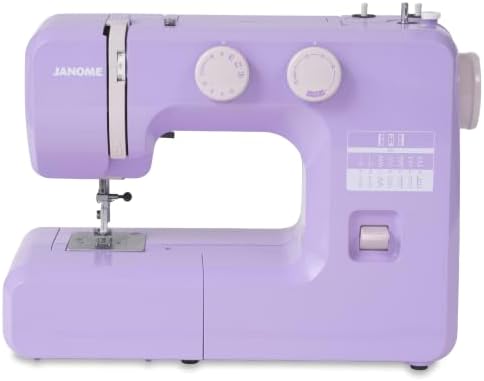
Janome Purple Majesty Easy-to-Use Sewing Machine with Interior Metal Frame, Bobbin Diagram, Tutorial Videos, Made with Beginners in Mind for Garments, Patchwork, Light Quilting
Built around an interior metal frame and aimed squarely at new sewers, with a bobbin diagram and tutorial videos and a stated focus on garments, patchwork, and light quilting.
Visit on Amazon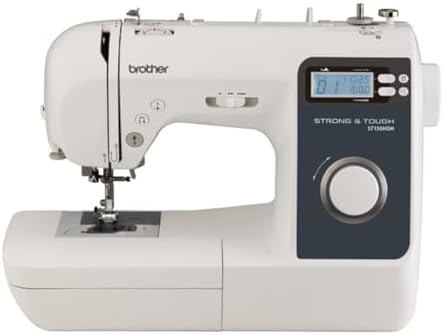
Brother ST150HDH Strong and Tough Sewing Machine 50 Stitches
A strong and tough model with a 50-stitch menu, positioned for everyday sewing on heavier fabric than the beginner-focused machines in this group.
Visit on Amazon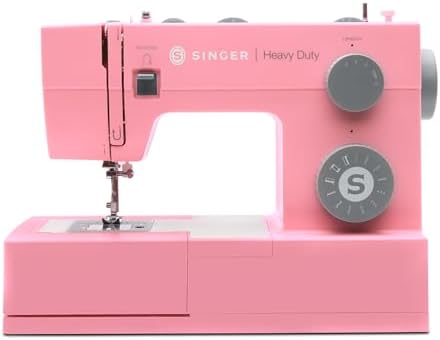
SINGER® 4411 (Pink) High Speed Heavy Duty Sewing Machine with Accessories
A high speed, heavy duty full-size machine that arrives with accessories, aimed at sewers who want faster straight-seam work and a sturdier build than a compact model.
Visit on Amazon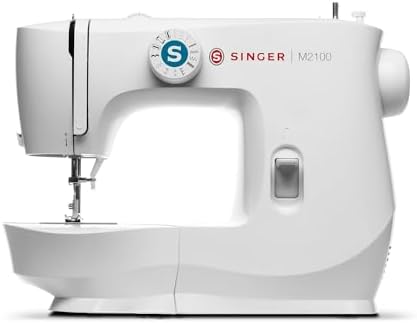
SINGER® M2100 Lightweight Compact Sewing Machine with Accessory Kit
Check current Amazon price
A lightweight compact machine with an accessory kit, sized for small work surfaces, apartment storage, and light everyday projects.
Visit on Amazon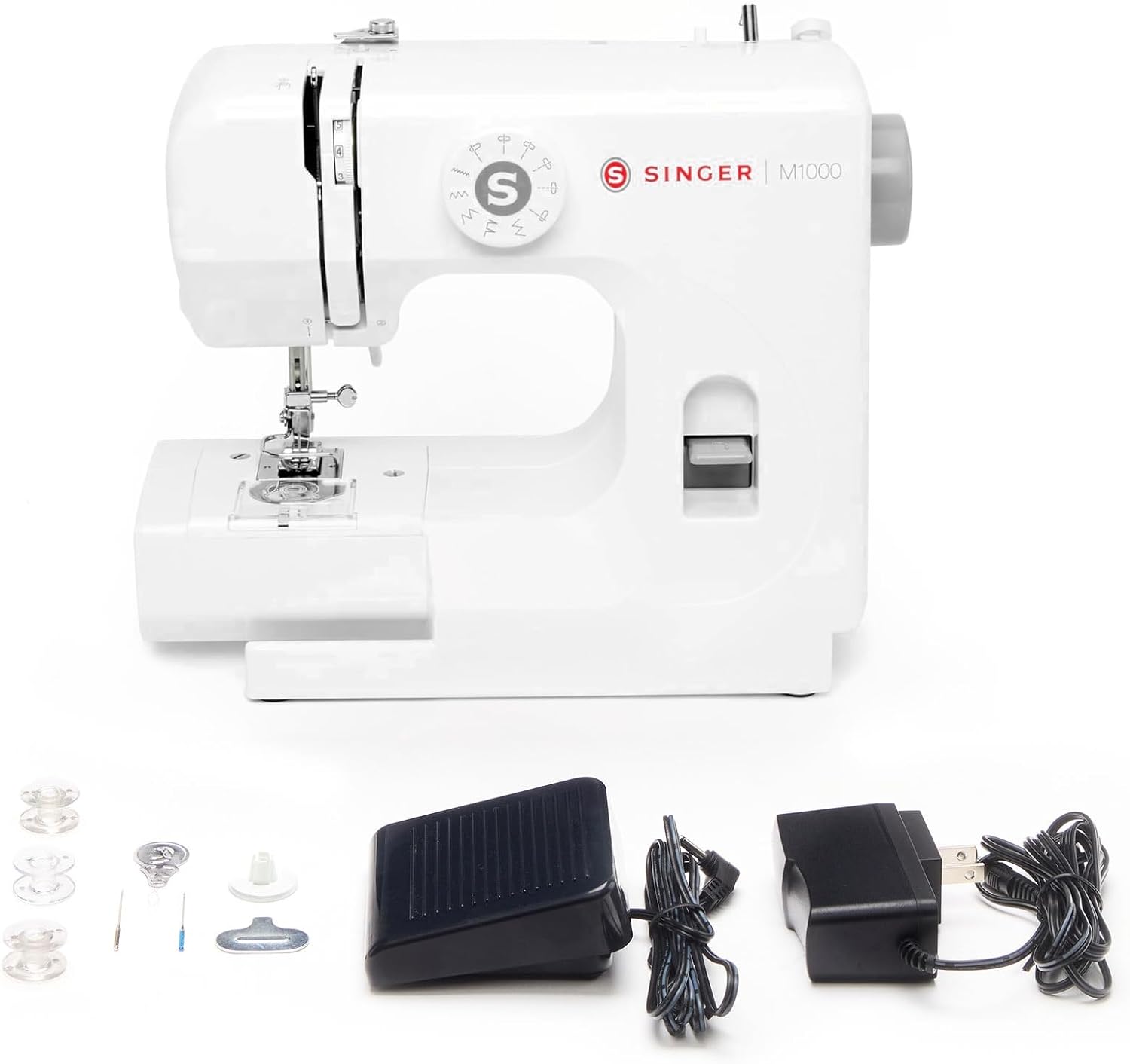
SINGER® M1000 (White) Portable Mending Machine with Accessory Kit
Check current Amazon price
A portable mending machine with an accessory kit, intended for repairs and quick fixes rather than full garment construction from a pattern.
Visit on Amazon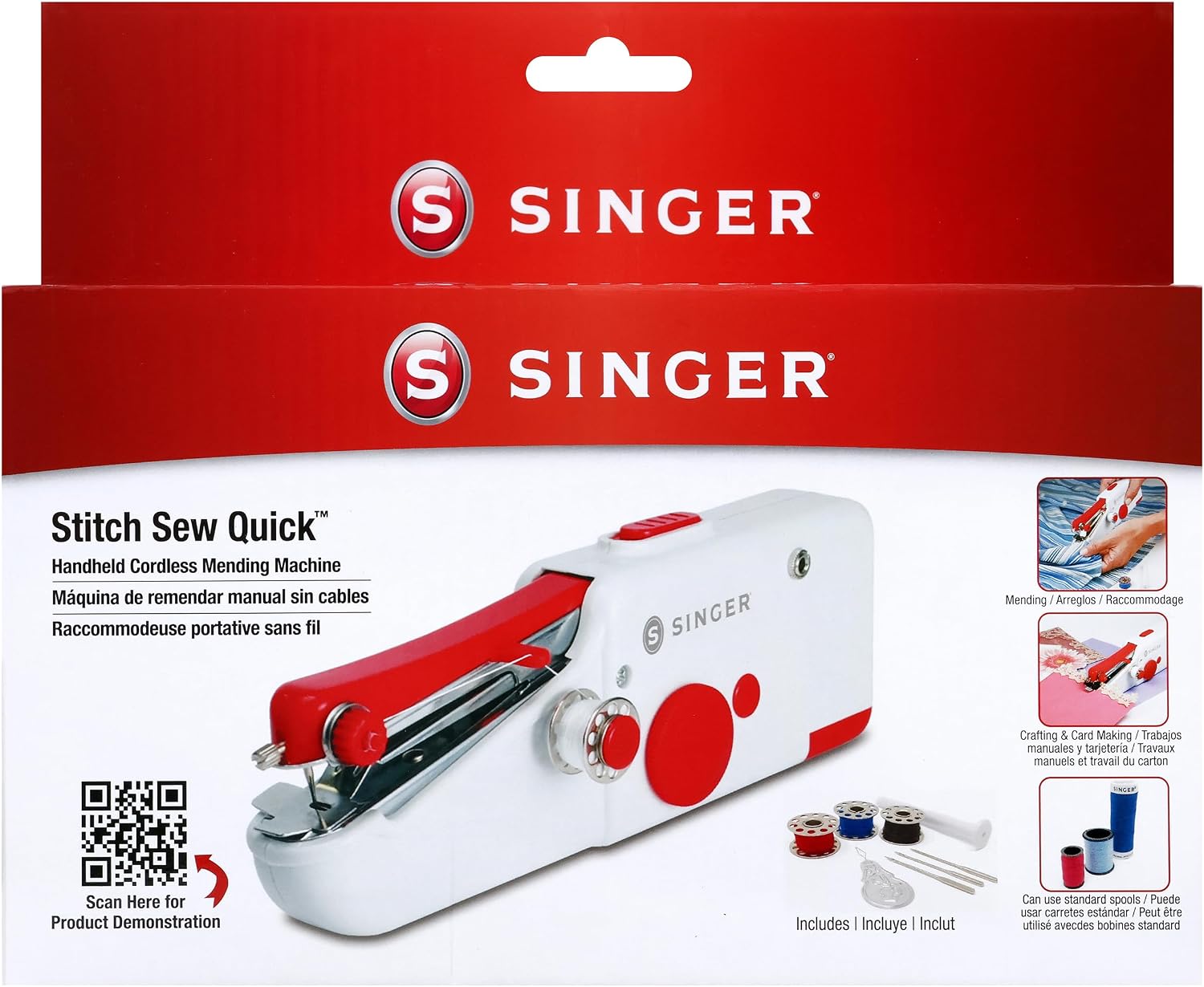
SINGER Stitch Sew Quick™ Portable Handheld Cordless Mending Machine
A cordless handheld mending machine for quick repairs and hem touch-ups, with no table or full-size setup required.
Visit on AmazonPrices and availability may change. Check the retailer for current details.
How these products were compared
This guide compares intended use, stated stitch menu, build and frame description, portability and footprint, and included accessories. Product names, images, and retailer links are matched by product identifier so that every card points to the product shown, rather than to a search page or a similar model in the same family.
None of the distinctions below are presented as hands-on testing results. They come from the manufacturer's own description of each machine and from the category-level differences those descriptions make clear. Prices move constantly, so this article does not quote them. The call to action on each card is where you confirm the current price, availability, and return terms for the exact model you are considering.
How to choose the right sewing machine
Start with the job, not the machine. Write down the last three things you wanted to sew. If the list says "hem my jeans, fix a torn seam, patch a backpack strap," you are shopping for a mending tool, and the SINGER® M1000 or the Stitch Sew Quick™ covers that ground. If the list says "a dress, a quilt top, a set of curtains," you need a full machine with a feed system and a presser foot, and a handheld mender will fight you on every seam. This single question eliminates more bad purchases than any specification.
The second question is how the machine holds a straight stitch, which is a build question rather than a feature question. An interior metal frame, like the one the Janome Purple Majesty is described as having, is the kind of construction detail that matters more than a long stitch list. A machine with a hundred decorative stitches but a plastic frame that flexes under the needle will still frustrate you on a simple seam. Stitch menus are marketing until you have a stable straight stitch, a tension dial that actually changes the stitch, and a buttonhole you would be willing to wear.
Then look at what is in the box and where the machine will live. An accessory kit sounds like filler until you need the right presser foot for a zipper or a hem, and a bobbin diagram plus tutorial videos genuinely reduce the first month of confusion if you have never wound a bobbin. Footprint matters more than weight for most people: a compact machine like the SINGER® M2100 earns its place in a small apartment, while a high speed model like the SINGER® 4411 wants a stable table and room behind the needle. If you are still deciding between categories, our beginner machine guide walks through the same trade-offs in more detail.
Janome Purple Majesty Easy-to-Use Sewing Machine
The top pick here is the machine that was designed for the person reading this article. The Janome Purple Majesty is described as made with beginners in mind, with an interior metal frame, a bobbin diagram, and tutorial videos, and it is positioned for garments, patchwork, and light quilting. That combination is unusually well matched to a first machine: the metal frame addresses the build question, the diagram and videos address the learning curve, and the stated project list covers the three things most new sewers actually attempt in their first year.
It is worth being honest about what it is not. This is a beginner and light-project machine, not a heavy duty one. If your regular sewing involves denim, canvas, upholstery fabric, or multiple thick layers, the Janome is the wrong tool and you will feel it in the seams. The colorway is cosmetic and should not factor into the decision at all. What should factor in is that the machine is aimed at the projects you are likely to start with, and its construction description suggests it was not built as a disposable.
The trade-off is straightforward. You give up the larger stitch menu of the Brother model and the heavy duty positioning of the SINGER® 4411 in exchange for a machine that is explicitly set up to teach you. If you already know how to sew and you are replacing a worn-out machine, look at the alternatives below instead.
Alternatives to consider
The Brother ST150HDH Strong and Tough Sewing Machine 50 Stitches is better suited to heavier fabric and to sewers who want a wider stitch menu, since its 50 stitches and strong and tough positioning point at thicker materials and more variety than a starter machine. The SINGER® 4411 (Pink) High Speed Heavy Duty Sewing Machine with Accessories is a stronger fit when you want a full-size machine built around speed and heavier work and you would rather have accessories included than tutorial support.
The SINGER® M2100 Lightweight Compact Sewing Machine with Accessory Kit, the SINGER® M1000 (White) Portable Mending Machine with Accessory Kit, and the SINGER Stitch Sew Quick™ Portable Handheld Cordless Mending Machine cover the compact, portable, and handheld ends of the category. The M2100 is the one to pick when space is the constraint but you still want a full machine. The M1000 is for repair work at a table. The Stitch Sew Quick™ is for the drawer, the car, and the emergency hem before a recital.
Day-to-day use and maintenance
Most of what goes wrong with a new machine in the first month is not the machine. It is the needle, the thread, or the bobbin. Use a needle matched to the fabric rather than whatever came installed, rethread with the presser foot up so the thread seats in the tension discs, and wind bobbins evenly. If the stitches loop underneath, the first thing to check is that the machine is threaded in the correct order with the foot raised, not that the tension dial needs turning.
Keep the tension dial honest. It should change the stitch visibly when you move it, and you should be able to find a balanced setting for the fabric you sew most. If a machine only produces a good stitch at one extreme of the dial, that is a real limitation, and it is the reason a build description matters more than a stitch count. Test any new machine on a scrap of your actual project fabric before you start on the garment.
Clean the bobbin area and the feed dogs regularly, since lint packed under the throat plate is behind a large share of skipped stitches. Follow the manufacturer's maintenance instructions for oiling and for any parts that should not be oiled. Unplug the machine before you remove the needle plate or reach into the bobbin area, and keep the cord away from walkways. If the machine will sit unused for months, cover it or store it in its case so dust does not settle into the mechanism.
Buying checklist
- Measure your table or desk and confirm the machine's footprint fits with room behind the needle for fabric.
- Choose a full sewing machine or a mending machine based on your normal projects, not on an occasional repair.
- Confirm that the exact model includes the accessory kit, presser feet, and documentation you want.
- Check the build description for an interior metal frame if you plan to sew regularly.
- Read the cleaning and maintenance instructions before your first project.
- Verify the current retailer price, availability, and return terms through the card links above.
Final recommendation
Choose the Janome Purple Majesty Easy-to-Use Sewing Machine when you are starting out and your projects are garments, patchwork, and light quilting, because its interior metal frame, bobbin diagram, and tutorial videos are aimed at exactly that situation. Choose the Brother ST150HDH Strong and Tough Sewing Machine 50 Stitches when you sew heavier fabric and want a larger stitch menu. Choose the SINGER® 4411 if speed and a heavy duty build matter more than beginner support, the SINGER® M2100 if space is tight, and the SINGER® M1000 or the SINGER Stitch Sew Quick™ if you are buying a repair tool rather than a sewing machine.