Well, the Brother XM2701 is sold as the beginner machine, the one that'll have you sewing placemats by dinner. But is it really the best sewing machine for beginners, or is that just what the box says? I've taught beginner sewing classes for years, and I've owned my XM2701 for six of those years.
It's sewn Halloween costumes for a school of 400 kids, and it's still running. Here's the truth: it's a darn good machine, but it has limits, and knowing those limits is the real lesson.
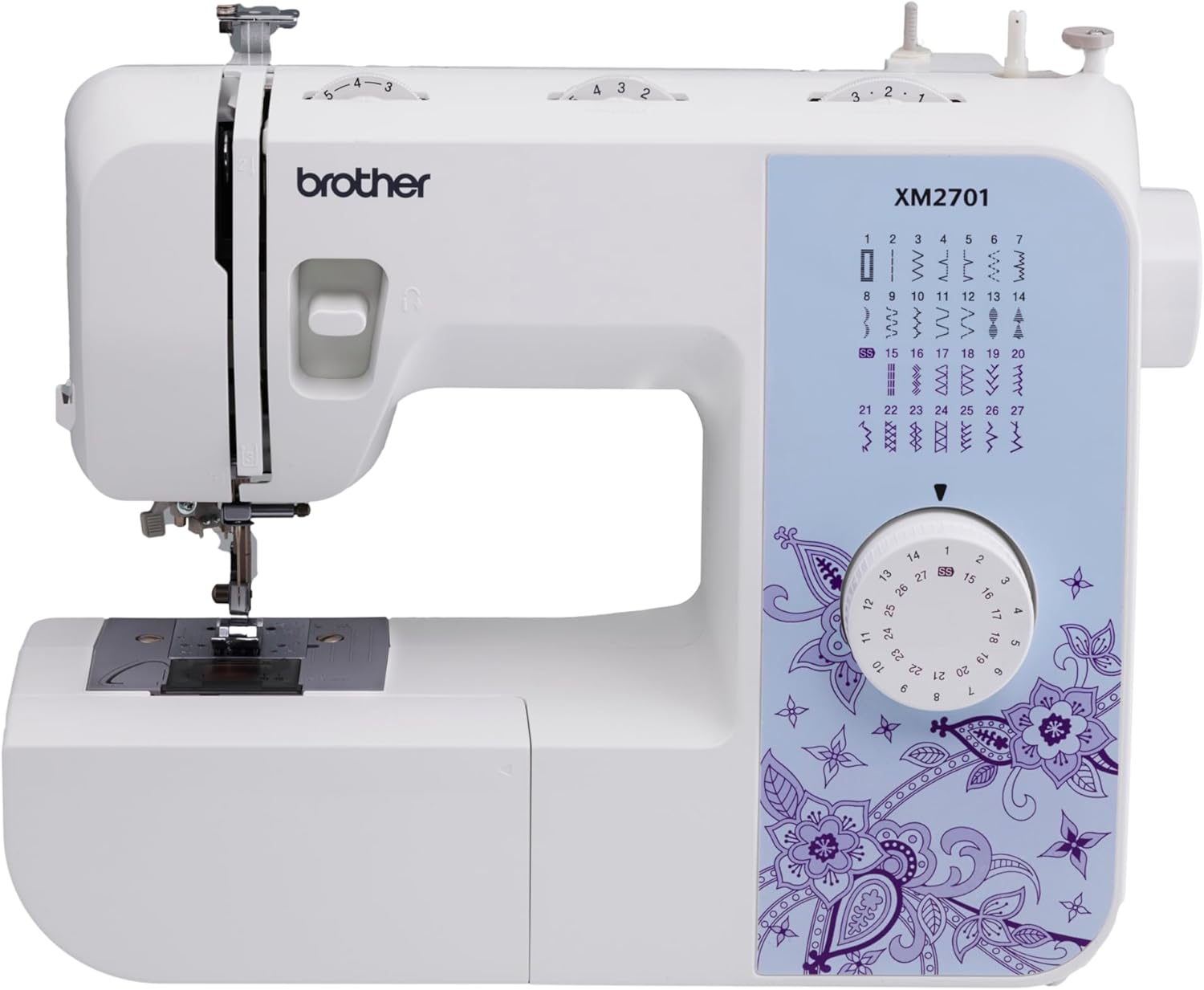
Brother XM2701
Unfussy, quiet, printed manual, easy top-loading bobbin, works right out of the box
Visit on Amazon →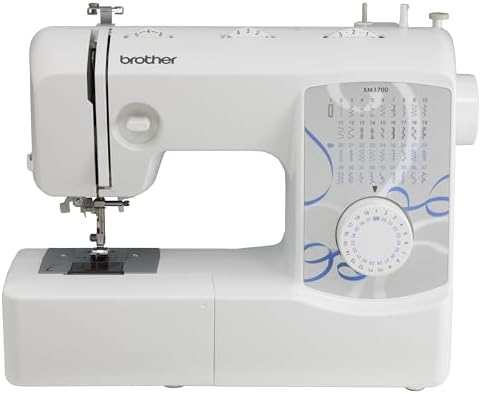
Brother XM3700 Sewing Machine 37 Built-in Stitches
The XM3700 offers 37 built-in stitches (10 more than the XM2701) and is priced at $129.88, making it a great value.
Visit on Amazon →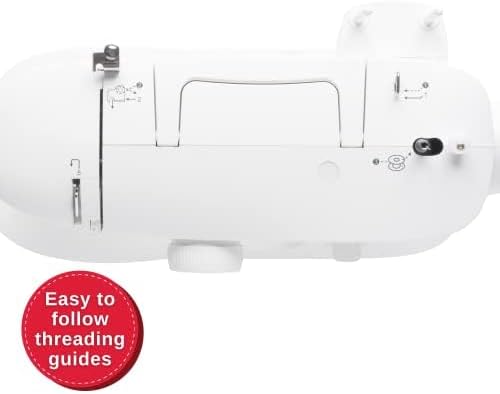
SINGER® MX60 Lightweight & Portable Sewing Machine with Accessory Kit
Lightweight, portable, includes accessory kit
Visit on Amazon →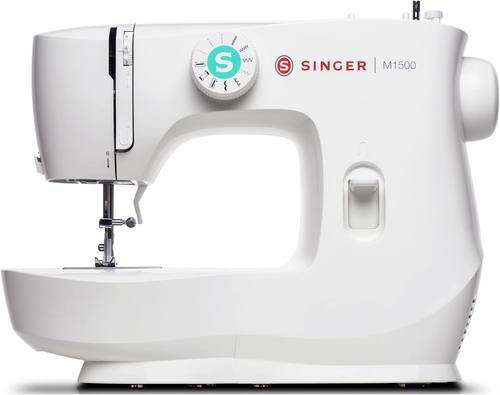
How I test
I keep a seam test journal. Every machine I recommend goes through five fabric types and three stitch lengths before I give it a verdict. I sew through quilting cotton, a stretch knit, a denim scrap, some silk, and a piece of Cordura I use for costume armor.
I run a straight stitch at 2.5 length, a zigzag, and a buttonhole. I check the tension dial actually means something.
Then I ask myself the only question that matters: would I trust this on a paid costume?
Brother XM2701
The biggest issue with the XM2701 is that it will not plow through a jeans hem without a fight. I've had mine for six years, and it's never let me down on cotton, fleece, or costume satin. But the first time I tried four layers of denim, it balked. You'll need to hang onto your thread ends and practice on scraps before you attempt anything thick.
Visit on Amazon →
That's the flaw. Here's the praise.
It comes with a printed manual. A real one, not just safety warnings. I read manuals cover to cover, and this one is the gold standard. It's unfussy. The top-loading bobbin is easy to see and easy to thread.
It's quiet, which matters when you're teaching a class of six beginners and everyone's machine is running at once.
It comes with extra feet and extra bobbins, so you can start sewing the day it arrives.
I've made baby blankets, kids' clothes, a Totoro costume, a seagull, a buoy, a snail, Forky, tote bags, fleece hats, chair covers, adult garments, and 14 Christmas stockings on this machine. It costs about six cents a day if you spread it over six years. That's not a purchase, that's a bargain.
One buyer wrote in March 2024 that they bought it six years ago as a gamble, unsure if they'd use it. They fell in love with sewing. They're only now upgrading for heavier projects. That's exactly my experience.
For a beginner on a budget, this is the machine I recommend to every student who walks into my class. It will let you sew what you want without fighting it. Will you outgrow it? Yes, eventually. I did. But six years is a long time.
Brother XM3700
The XM3700 is the newer sibling, and the first thing you'll notice is the price bump. It's about ~$30 more than the XM2701. The second thing is the extra 10 stitches, which sounds nice but mostly means you'll have more options you never touch.
I haven't owned this one as long, but I've had a few students bring it to class after I pointed them at it. It has the same easy threading, the same clear top-loading bobbin, and the same printed manual. The max speed is faster, which is good for someone who's ready to move past the learning phase but not ready for a heavy-duty machine.
The criticism is that it's newer, so I don't have the six-year track record I have with the XM2701. And the extra stitches don't matter much for a beginner. If the price difference is tight, get the XM2701. If you want a bit more speed and don't mind spending a little extra, this is a solid choice.
SINGER MX60
Here's the thing about Singer. They used to be the gold standard. My 20+ year old Kenmore finally gave out, and I cried. But the new Singers, most of them, are not the machines your grandmother owned. I've heard that from too many people to ignore it.
The MX60 is light, it's cheap, and it's fine for absolute beginners who want to mend a hem or sew a pillow. But the instructions are sparse. Singer ships only safety warnings in the box. No real manual. That's a real complaint from real buyers. You'll need YouTube and a downloaded manual.
The pedal is sensitive. It goes 0 to 60 in a leap. A beginner can't control that, and an expert doesn't want to. You'll need to practice on scraps before you're comfortable with it.
If your budget is ~$100 and you need a machine this week, it'll work. But for a beginner, the Brother is easier to learn on. Full stop.
SINGER M1500
The M1500 is mechanical, which means fewer electronics to go wrong. It has 8 built-in stitches, which is enough for basic mending and simple projects. It's sturdy, and it'll handle a bit more than the MX60.
But it has the same problem: no printed manual. I returned a Singer once for exactly that reason. A QR code is not a manual. You shouldn't have to hunt for instructions when you've just spent ~$130 on a machine.
A 67-year-old man who had never sewn before wrote in March 2024 that he bought this machine for simple clothing repairs. He struggled with bobbin tangles, which turned out to be bad thread, not the machine. He learned via YouTube and went on to sew Hawaiian shirts, work shirts, and western shirts over four years. He's proof the machine is capable. He's also proof you'll need to work for it.
If you're okay with no manual and you want a mechanical machine that'll last, this is a decent pick. But I'd rather hand you the Brother.
Mini Electric Sewing Machine for Beginners
This one is cheap. About ~$40. It's portable, it's light, and it's fine for a kid who wants to try sewing for the first time.
But it's not a real workhorse. It struggles with anything beyond a single layer of cotton. I wouldn't trust it on a paid costume, and I wouldn't recommend it for an adult who actually wants to sew. It's a toy, not a tool.
If you're buying for a child, sure. If you're buying for yourself, spend the extra money on the Brother. You'll thank me later.
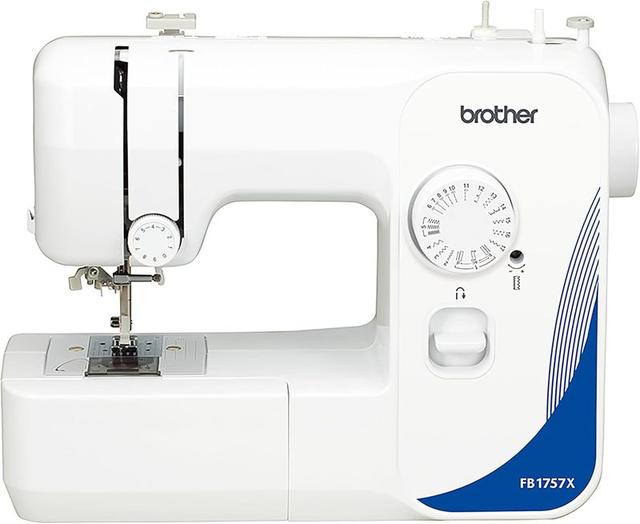
Brother FB1757X
This is the mechanical Brother, a step up from the XM2701. It has 17 stitches, a metal frame for stability, and it's built to last. It's about $119.99, which is more than a beginner needs to spend, but it's a good option if you know you'll stick with sewing.
 Visit on Amazon →
The threading is still easy, and it has the same clear top-loading bobbin. The metal frame means it won't shake across your table when you're sewing at speed. I've used one in my class when a student brought it in, and it handled the seam test journal without complaint.
Visit on Amazon →
The threading is still easy, and it has the same clear top-loading bobbin. The metal frame means it won't shake across your table when you're sewing at speed. I've used one in my class when a student brought it in, and it handled the seam test journal without complaint.
The downside is the weight. It's heavier, so it's less portable. And ~$180 is a real investment for someone who's just starting out. Choose this if you're sure you'll keep sewing. Choose the XM2701 if you're not sure yet.
Which one should you buy?
Here's my honest advice. Choose the Brother XM2701 if you're a beginner who wants to sit down and sew the day the box arrives. It's unfussy, it has a real manual, and it'll teach you everything you need to know.
Choose the Brother XM3700 if you want a bit more speed and don't mind spending ~$30 extra. Choose the Singer M1500 if you're okay with no manual and you want a mechanical machine for basic mending.
Skip the mini machine unless you're buying for a kid.
The Singer 4423 I upgraded to for my costume work is a beast, but it's not for beginners. The pedal is too sensitive, and the instructions are a joke. That's a machine for someone who already knows what they're doing.
Bottom line
Your first machine should make you want to sew tomorrow. That's the real spec. The Brother XM2701 does that. It's not perfect, and it won't handle leather without a fight, but it's the best sewing machine for beginners I've found in six years of teaching.
I don't track prices day to day, so I won't pretend to know next week's, but at ~$130, it's worth every penny.
Buy it, read the manual, and hang onto your thread ends. You'll be off to the races before you know it.