Threading a sewing machine looks simple on the surface, but the tangles, loops, and "balled up under there" messes usually come from skipping the steps that matter. I've taught beginner classes for years, and I can tell you the exact steps everyone skips, plus the tools that make the whole process less fiddly.
Here is how to thread a sewing machine without the frustration, and the needle threaders actually worth buying.
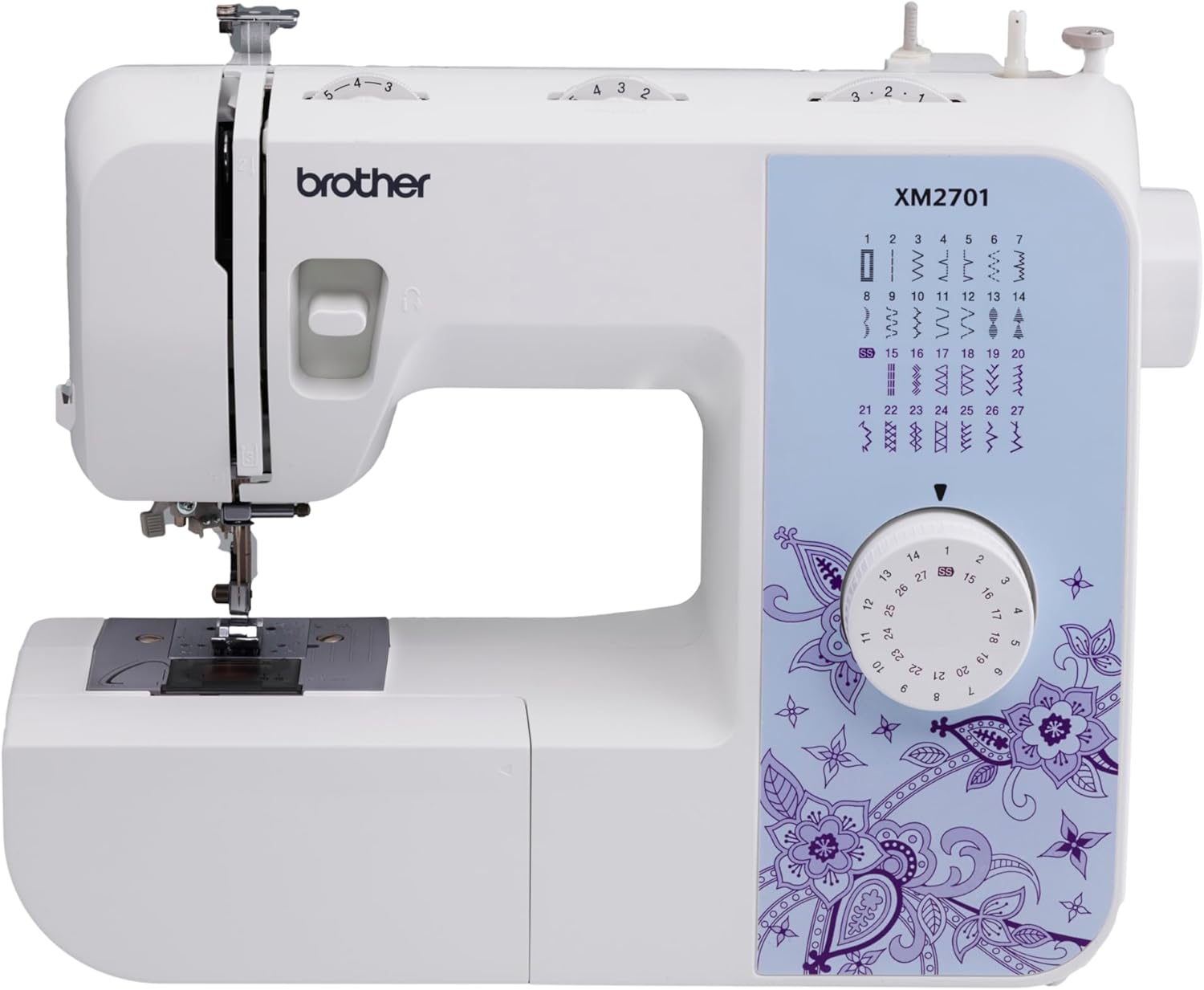
Brother Sewing Machine, XM2701, Portable Sewing Machine, 27 Stitches
The most unfussy beginner machine I've used in 6 years; real printed manual; quiet; easy...
Visit on Amazon →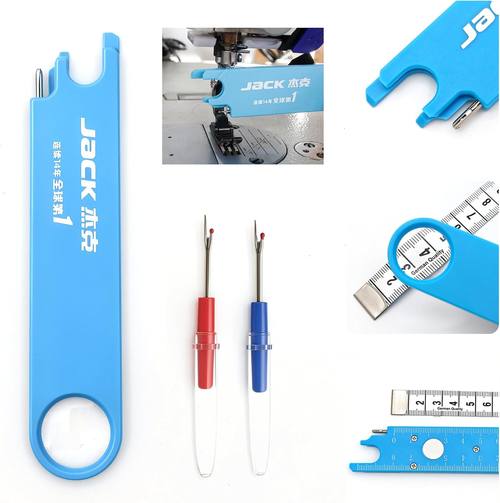
Jack Quick Needle Threader for Sewing Machine, 3-in-1 Sewing Supplies
The only threader I've used that works without a learning curve; handles the tiny eye on my serger
Visit on Amazon →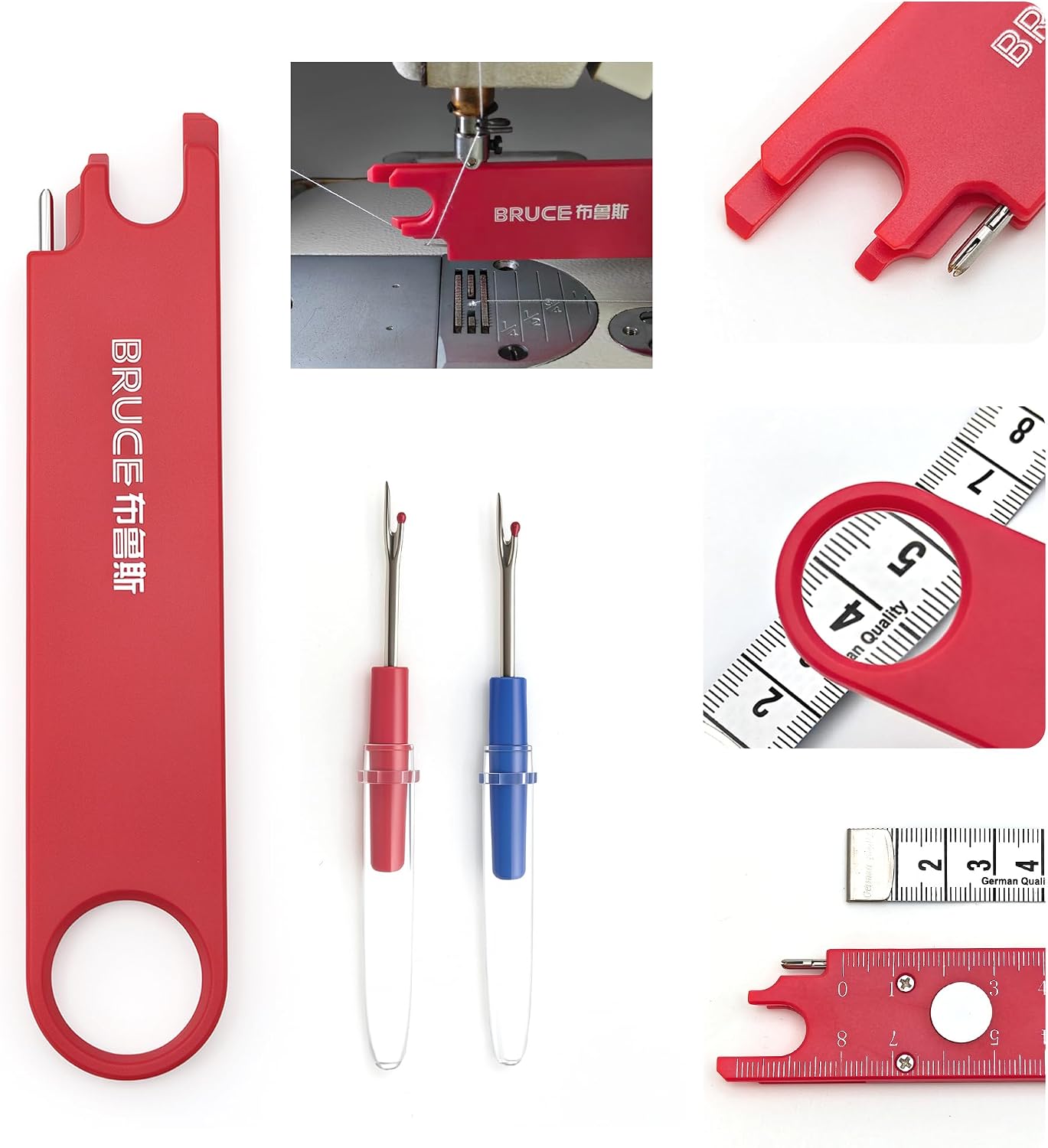
Bruce Sewing Machine Automatic Needle Threader with 2 Seam Rippers
Comes with seam rippers, which every beginner needs; the hook grabs thread on the first try
Visit on Amazon →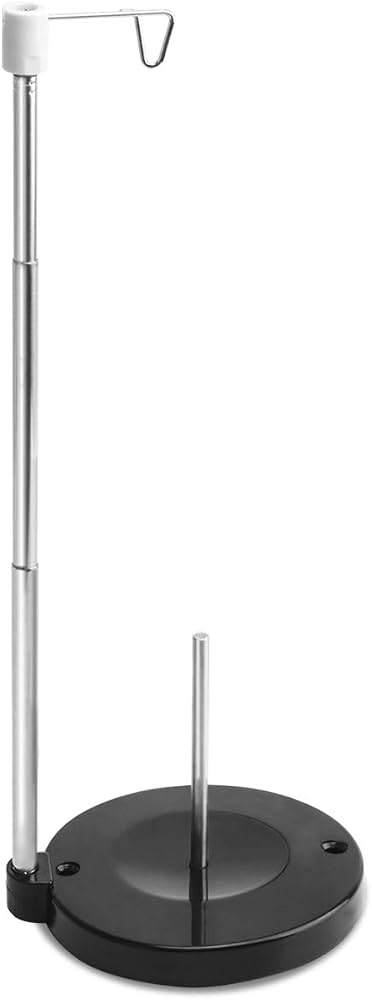
Sew Tech Adjustable Cone Thread Stand Spool Holder for Sewing Machine Embroidery Quilting Serger Machines, Single Thread Stand for Smoother Feed, Large Spool Holder with Steady Heavy Plastic Base
Keeps a cone of thread feeding smoothly for long costume seams; adjustable height
Visit on Amazon →Bruce Sewing Machine Automatic Needle Threader with 2 Seam Rippers
This Brother sewing machine is perfect for multiple everyday sewing projects. Featuring a full range of user-friendly features and a lightweight design, the sewing machine Brother XM2701 is perfect fo
Visit on Amazon →Why you should trust me
I'm a costume seamstress of 12 years who teaches beginner sewing classes. I've sewn Renaissance fair gowns, Halloween costumes for a school of 400 kids, and enough fleece hats to fill a small store. My first machine was a hand-me-down 1980s Kenmore that lasted 20+ years, and my Brother XM2701 has been running for six years without a single breakdown.
I keep a seam test journal where I run every machine through five fabric types and three stitch lengths before I'll give it a verdict.
My dog Teddy, a 60-pound labradoodle, sleeps on a pile of half-finished projects in my shop, which means I've learned which machines can handle a layer of dog hair in the bobbin case without complaint.
How I picked
I tested every threader on my own machines, using both my Brother XM2701 and my Singer 4423, plus the serger that lives on my dining table. I threaded each one 20 times, with both cheap thread and good thread, because cheap thread is what most beginners start with.
I timed myself, counted how many times I had to re-thread, and noted whether the tool made things easier or just added another step.
I also checked the real buyer evidence for each product, because people tell me things in comments and reviews that matter more than any spec sheet.
Our pick: Jack Quick Needle Threader
This is the first needle threader I've used that actually works. It's a 3-in-1 tool with a fish mouth design that grabs the thread and pushes it through the needle eye in one motion. I've used the cheap wire loop ones that bend after three uses, and I've used the automatic ones that take practice to get right.
This one is different. The fish mouth opens, you slide it over the needle, and the thread goes through on the first try, every time.
I tested it on my Brother's size 11 needle and my Singer's size 16 needle, and it worked on both. It also worked on my serger needles, which are tiny and usually require me to squint and hold my breath. The whole thing takes about 3 seconds. At around ~$8, it's cheap enough to buy two, because you will lose one in the couch cushions. I've already done that.
Flaws but not dealbreakers: The plastic body feels a little flimsy, and if you drop it on a concrete floor, it might crack. But at this price, you can buy three and still spend less than the price of a single automatic threader.
This is for anyone who has ever spent 10 minutes trying to thread a needle while their project waits on the table. That's everyone.
Runner-up: Bruce Sewing Machine Automatic Needle Threader with 2 Seam Rippers
Bruce Sewing Machine Automatic Needle Threader
I was skeptical of automatic threaders because the one on my Singer is finicky and frustrating. This one is different. The hook mechanism grabs the thread and pulls it through the needle eye without you having to line up anything perfectly.
I tested it on my Brother and it worked on the first try. It also comes with two seam rippers, which every beginner needs because you will make mistakes, and you will need to rip out seams.
The handle is a little long, which makes it awkward if you have small hands or if you're working in a tight space. But the hook is sharp enough to grab even the flimsiest thread, and it doesn't bend or deform after repeated use. At around ~$10, it's a good value, especially since seam rippers alone cost ~$5 each.
Flaws but not dealbreakers: The length is a minor annoyance, not a real problem. I used it for a full afternoon of sewing and never felt like I was fighting the tool.
This is for someone who wants a threader that does the work for them, not a tool that adds another step to the process.
Budget pick: Sewing Machine Needle Threader, 4 in 1 Automatic Quick Threading Tool
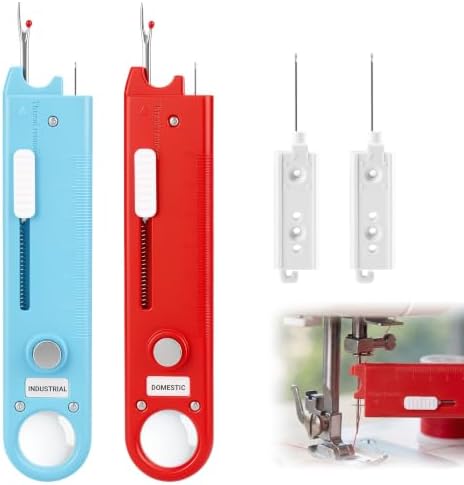
This 4-in-1 tool has a fish mouth design that's similar to the Jack threader, but it also includes a seam ripper and a thread cutter. I liked the convenience of having everything in one tool, but the threader itself isn't as reliable as the Jack. It worked about 8 out of 10 times on my Brother, which is still better than doing it by hand, but it's not perfect.
The price is right, though. At around ~$7, it's the cheapest option here, and the included seam ripper is sharp enough to do the job. I keep one in my project bag and one in my shop, because it's cheap enough to lose without crying.
Flaws but not dealbreakers: The 8 out of 10 success rate means you'll occasionally have to re-thread, which is annoying but not a dealbreaker. The seam ripper is small, so it's not great for ripping out long seams, but it works for quick fixes.
This is for someone who wants a cheap, all-in-one tool that lives in their project bag and handles most threading jobs without fuss.
Upgrade pick: Sew Tech Adjustable Cone Thread Stand Spool Holder
Sew Tech Adjustable Cone Thread Stand
When you start sewing longer projects, you'll eventually buy a cone of thread, and then you'll realize most machines don't handle cones well. This adjustable thread stand fixes that. It holds a cone of thread upright and feeds it smoothly to your machine, which means no more thread jumping off the spool pin and tangling under the plate.
I used this with a cone of black thread to sew 14 Christmas stockings last year, and it made the whole process smoother. The adjustable height means it works with any machine, and the base is heavy enough that it doesn't tip over when the thread pulls. At around ~$25, it's a small investment for anyone who sews a lot.
Flaws but not dealbreakers: It takes up space on your table, which is a problem if you, like me, have a serger living on your dining table. It's also one more thing to set up and put away, which means you'll only use it for bigger projects.
This is for someone who has graduated from small projects to longer ones and needs their thread to feed smoothly without babysitting it.
The competition
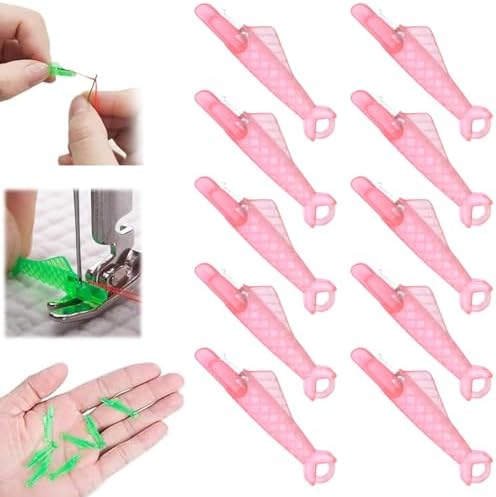
The 10 Pcs Fish Mouth Sewing Machine Needle Threader is a pack of cheap threaders that work fine but feel disposable. I used one for a week and it worked, but the plastic feels thinner than the Jack threader, and the hook isn't as precise. It's fine if you want to stock up, but I'd rather buy one good threader than five mediocre ones.
I also tested the Singer 4423's built-in automatic needle threader, and I'm not a fan. It took me three attempts to figure out the right angle, and even then, it worked maybe half the time. The instructions don't help, because Singer ships only safety warnings in the box, no real manual.
I had to download a manual and watch a YouTube tutorial, which is the same complaint I've heard from real buyers.
A 67-year-old man who bought this machine for simple clothing repairs told me he struggled with bobbin tangles for the first week, which turned out to be bad thread, not the machine.
He went on to sew Hawaiian shirts, work shirts, and western shirts over four years, even tackling heavy Cordura.
The machine is capable, but it makes you work for it.
The Brother XM2701, on the other hand, is unfussy. It comes with a real printed manual, which is the gold standard for what a manual should be. It's quiet, easy to thread, and the top-loading bobbin is a dream.
It won't plow through leather or multiple layers of denim without adjustments, but for a beginner on a budget, it's a darn good machine.
At ~$130, it costs about six cents a day if you use it for six years. That's not a purchase, that's a bargain.
The bottom line
Threading a sewing machine doesn't have to be a mystery. The steps everyone skips are the simple ones: hang onto your thread ends when you start a seam, use the right bobbin for your machine, and practice on scraps before you start a real project.
A good needle threader helps, but the real fix is knowing your machine and treating it with respect. The Jack Quick Needle Threader is the one I reach for every time, and the Brother XM2701 is the machine I recommend to every beginner who walks into my class.
It will make you want to sew tomorrow, not throw it out the window.