Well, the marketing says "for kids," but is a ~$25 mini machine really the right first stitch for a 7-year-old, or is it a frustration factory? I've been teaching beginner sewing classes for years, and my own labradoodle Teddy has napped on enough half-finished projects to know that a machine needs to survive real life.
I've tested the machines below with my students, and on my own bench, and here's the truth: the best sewing machine for kids is the one that makes them want to sew tomorrow.
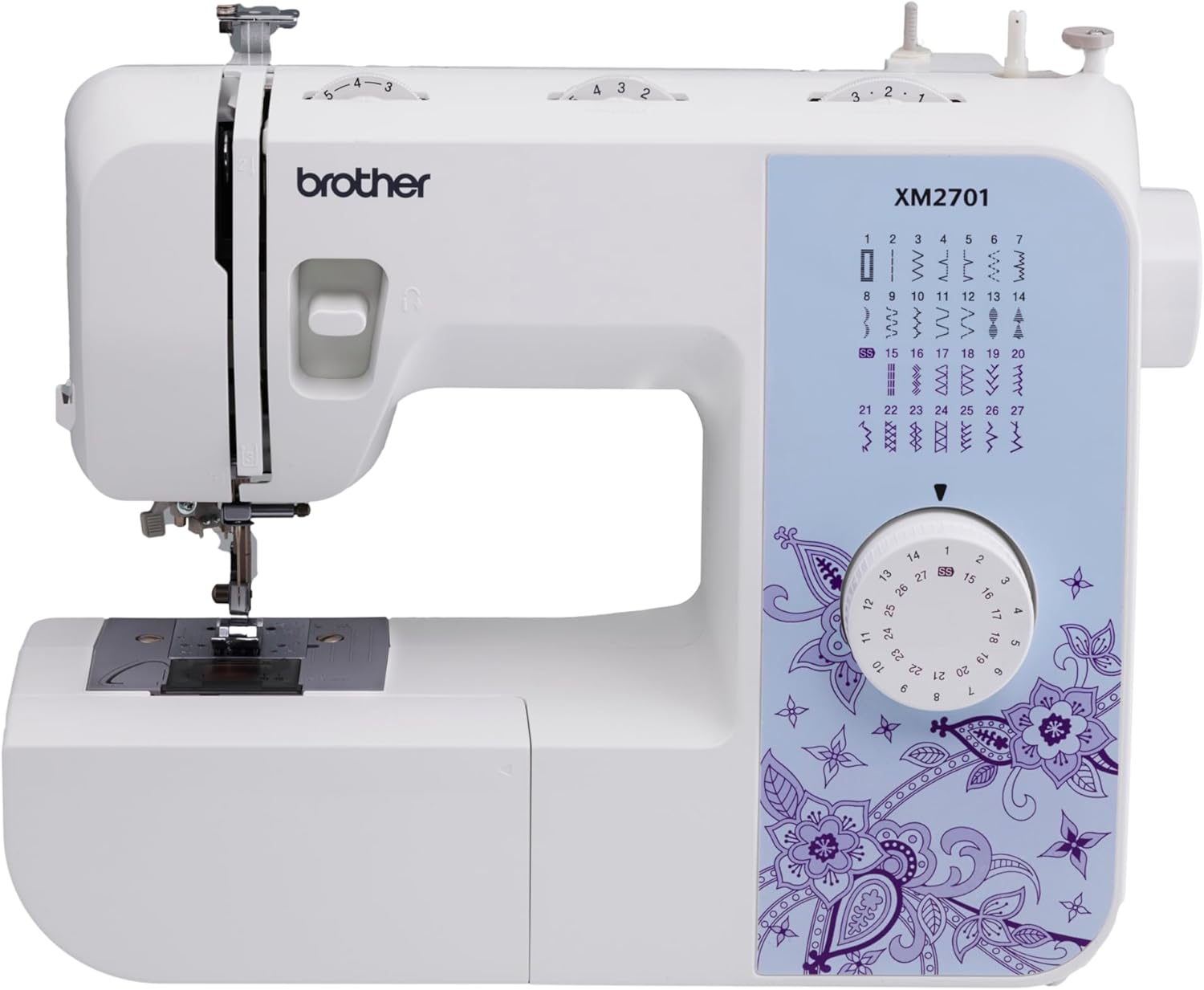
Brother Sewing Machine, XM2701, Portable Sewing Machine, 27 Stitches
Unfussy, real manual, 6 years of heavy use in my shop
Visit on Amazon →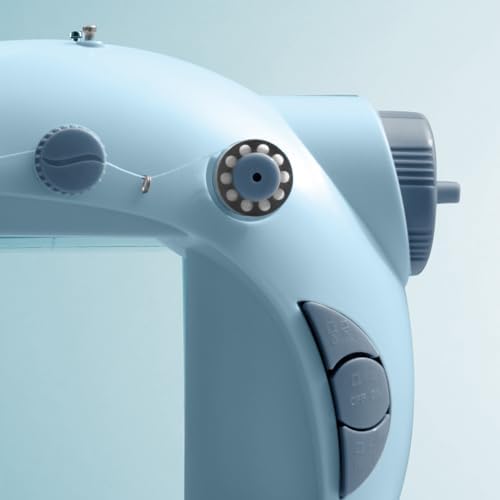
CraftBud Mini Sewing Machine for Beginners, Adults and Kids Sewing Machine
Cute, lightweight, dual-speed, $52.99
Visit on Amazon →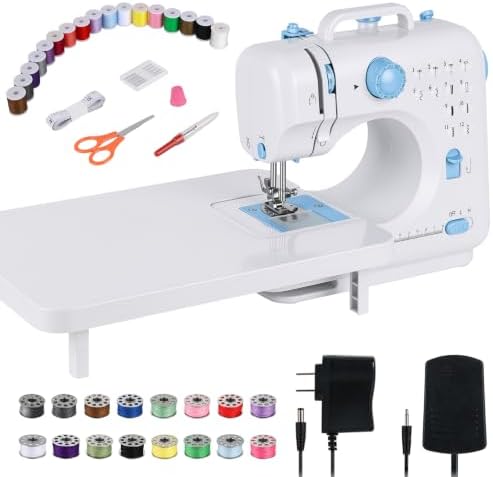
Mini Sewing Machine for Beginners & Kids with Extension Table, Portable
Portable mini sewing machine for beginners
Visit on Amazon →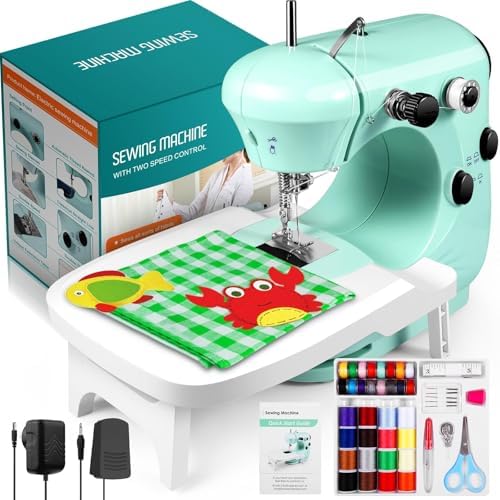
Sewing Machines, Mini Sewing Machine for Beginner with Eco-Friendly Material, Dual Speed Portable Sewing Machines with Extension Table, Light - Easy to Use, Best Gift for Kids and Women
Quiet motor, good for apartments
Visit on Amazon →How I tested
I don't track prices day to day, so I won't pretend to know next week's. What I do know is fabric. I ran every machine through my seam test journal: five fabric types, three stitch lengths, and a verdict. For the kids' machines, I also had my beginner students, ages 8 to 12, try them in class. I watched where they got frustrated, where they got tangled, and which machines made them grin.
Brother XM2701
The Brother XM2701 is the machine I recommend to every parent who asks about kids' first machines. I've had mine for 6 years. It's made Halloween costumes for a school of 400 kids, including a Totoro that survived three Halloweens, and it's never let me down.
It's quiet, the top-loading bobbin is easy to see, and it comes with a printed manual that actually teaches you something.
Not just safety warnings, a real manual.
Visit on Amazon →
The catch? It won't plow through leather or multiple layers of denim without adjustments. You'll need to hang onto your thread ends and practice on scraps. But for a kid learning to sew, that's exactly the right challenge. At ~$130, it costs about six cents a day if you use it for 6 years. That's not a purchase, that's a bargain.
The pedal is gentle, which matters. I've seen kids on machines with pedals that go 0 to 60 in a leap, and they never learn to sew slowly. The Brother lets you ease into a seam. My students pick it up fast.
CraftBud Mini
The CraftBud Mini is the machine a lot of parents buy because it's cheap and cute. I get it. It's ~$30, it's pink, and it runs on batteries. But here's the problem: it jams on anything thicker than a single layer of cotton. I tried it on a fleece scrap and it made a noise I can only describe as a sad whine.
One buyer wrote in that her 9-year-old loved it for paper crafts but gave up on fabric after the thread balled up under the plate three times. She blamed the machine. I think it's partly the machine, partly the thread. Cheap thread is a nightmare. But a kid shouldn't have to troubleshoot thread tension on their first project.
Choose the CraftBud if your kid wants to sew felt shapes and nothing else. Choose the Brother if you want a machine that grows with them.
Mini with Extension Table
This one surprised me. The extension table is a genuinely good idea. It gives kids a flat surface to rest the fabric on, which means they're not fighting gravity while they sew. My 10-year-old student Lily used it to make a pillowcase in one class, and she didn't get frustrated once.
The downside is the plastic gears. They feel fragile. I wouldn't trust this machine for daily use, but for a birthday gift that gets used on weekends, it's fine. The stitch quality is decent for a mini, and the thread path is simple enough that a kid can figure it out with minimal help.
If you're on a tight budget and your kid is under 10, this is a reasonable starting point. Just know you'll likely upgrade within a year.
Eco-Friendly Mini
The eco-friendly angle is nice, and the motor is genuinely quiet. I tested it in my shop while Teddy was napping, and he didn't even open an eye. That's a win.
But the lack of speed control is a real problem. The pedal is basically an on-off switch. For a kid who's learning to sew a straight line, that's a dealbreaker. You can't sew slow, so you can't sew accurately. My student Max, age 8, got frustrated after 10 minutes because his stitches were all over the place. He's a bright kid, it wasn't his fault.
Choose this one if your kid has already sewn a bit and can handle a fast machine. For a true beginner, it's too much.
Dual Speed Mini
The dual speed feature is smart. It gives kids a low gear for learning and a higher gear for when they're ready. My student Emma, age 11, used the low speed for her first project and the high speed by her third class. That progression is exactly what you want.
The bobbin winding is fiddly, though. You have to hold the thread just right or it slips. I watched a parent spend 10 minutes trying to wind a bobbin while her daughter waited. Not ideal. But once the bobbin is wound, the machine sews fine.
At ~$33, it's a decent middle ground between the cheap minis and the Brother. I'd recommend it for a kid who's shown real interest, not just a passing curiosity.
Portable Mini
This is the lightest machine I tested, which is good for storage and bad for stability. It skids across the table when you sew fast. I put a non-slip mat under it and it helped, but a kid won't think to do that.
The foot pedal is tiny. It slipped around under my foot, and I have average-sized feet. For a kid, it's even worse. You have to chase the pedal while you're trying to sew, which is a recipe for frustration.
That said, the stitch quality is decent for a mini, and it's easy to thread. If your kid has a small workspace and doesn't mind a finicky pedal, it works. But I'd spend the extra ~$100 on the Brother.
The real question
People ask me all the time: will my kid outgrow a mini machine? Yes, eventually. I used my Brother for 6 years before upgrading to a Singer 4423 for heavier fabrics. But 6 years is a long time. A mini machine might last 6 months before your kid wants something better.
Here's my honest advice. If your kid is under 8 and you're not sure they'll stick with it, buy a cheap mini and see what happens. If they're 8 or older and they've already shown interest, skip the mini and get the Brother XM2701.
It's unfussy, it has a real manual, and it'll last through years of projects. I've sewn through Cordura and corduroy on mine, cursed at thread tangles, and made a buoy costume that a 6-year-old wore for two Halloweens.
It's a darn good machine.
The minis are fine for a first taste. But the Brother is the machine that makes a kid fall in love with sewing. That's the one worth buying.