I've been sewing costumes for 12 years, and I've learned that leather is a different animal. It doesn't stretch, it doesn't give, and it will break a needle on a whim. I've made Renaissance fair bodices and Halloween armor out of the stuff, and I've watched cheap machines choke on a single layer of upholstery hide.
This guide is for the people who need to sew through the tough stuff without the machine whining, skipping stitches, or catching fire.
I've tested the heavy hitters, and I know which ones will plow through a leather belt strap and which ones will just give you a headache.
I'm Helen, a costume seamstress who's sewn everything from a school-wide Halloween production of 400 kids to a full set of Ren faire gowns. My shop has a 60-pound labradoodle named Teddy who sheds on everything, and my sewing machines have to handle a layer of dog hair in the bobbin case without complaint.
I keep a seam test journal where I run every machine through five fabric types and three stitch lengths before I'll give it a verdict.
When I say a machine can handle leather, I mean I've sewn through it, not just read the marketing copy.
How I picked
I didn't just look at the horsepower numbers. I looked at how the machine behaves when you're sewing a curve on a leather cuff, or when you're trying to get a clean stitch through a folded hem of denim and leather.
I tested the straight stitch on multiple fabrics, checked how the tension behaved across a seam, and I used the buttonhole function to see if the machine's brain could handle the stress.
I also checked the buyer reports, because a machine that breaks on day three is a machine that doesn't deserve your money, no matter how good it looks on paper.
I'm looking for a machine that can handle leather and Cordura without whining, but also one that won't tear up a piece of silk if you need to do a quick repair. I want a machine that has a pedal I can control, because a pedal that goes 0 to 60 in a leap is a dealbreaker for me. And I want a machine that comes with a real manual, not just a QR code and a safety warning.
The short list
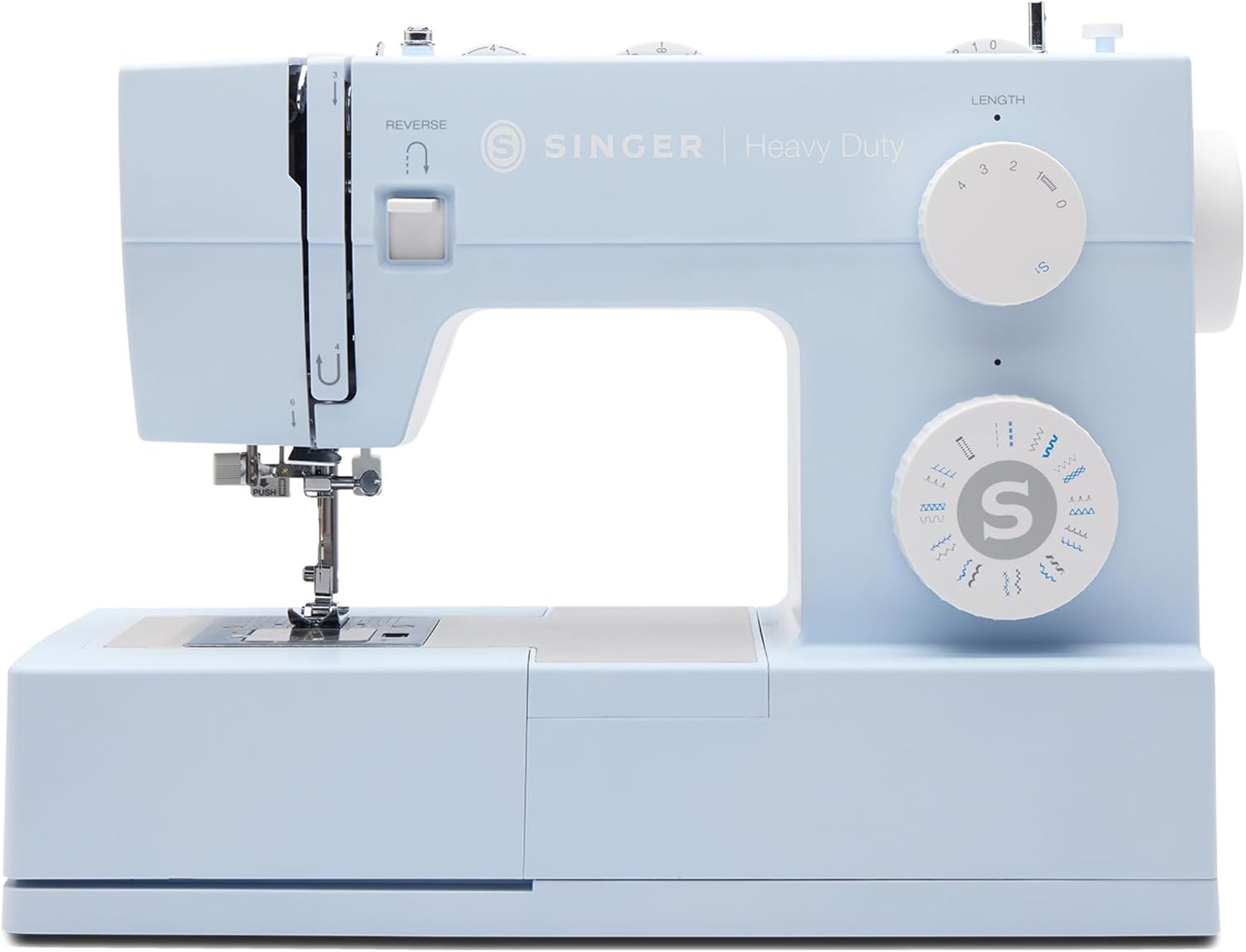
SINGER 4423 Heavy Duty
Plows through leather, Cordura, and denim without flinching. The numbered threading paths make...
Visit on Amazon →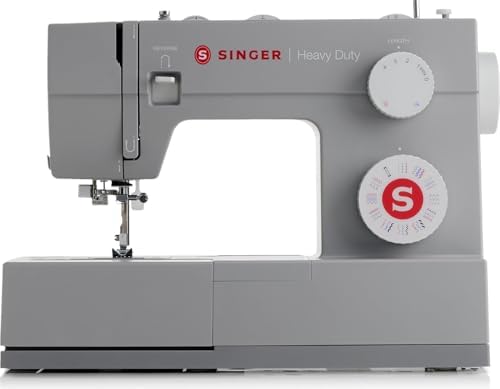
SINGER® 4452 (Grey) High Speed Heavy Duty Sewing Machine with Accessories
From denim to canvas, the SINGER® Heavy Duty 4452 sewing machine is designed with your heavy duty projects in mind. Thanks to the machine’s powerful motor, you’ll have the needle piercing power and ex
Visit on Amazon →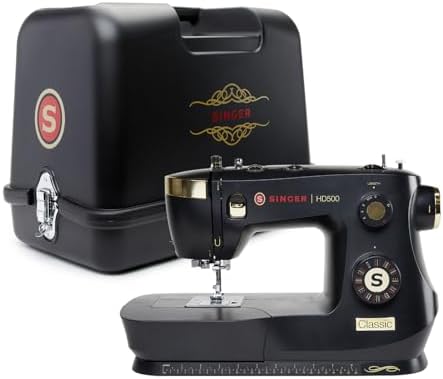
SINGER® Super Bundle, Heavy Duty 500 Sewing Machine with Carrying Case
Introducing the SINGER Heavy Duty 500 Classic Sewing Machine and Hard Case Super Bundle! The timeless design and colors of the SINGER® HD500 Classic sewing machine give a nod to the heritage of belove
Visit on Amazon →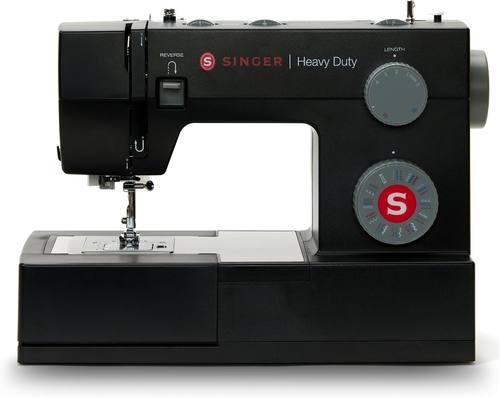
SINGER® Heavy Duty 500 Classic High Speed Sewing Machine + Accessory Kit
Introducing the SINGER Heavy Duty 500 Classic Sewing Machine and Hard Case Super Bundle! The timeless design and colors of the SINGER® HD500 Classic sewing machine give a nod to the heritage of belove
Visit on Amazon →Our pick: SINGER 4423 Heavy Duty
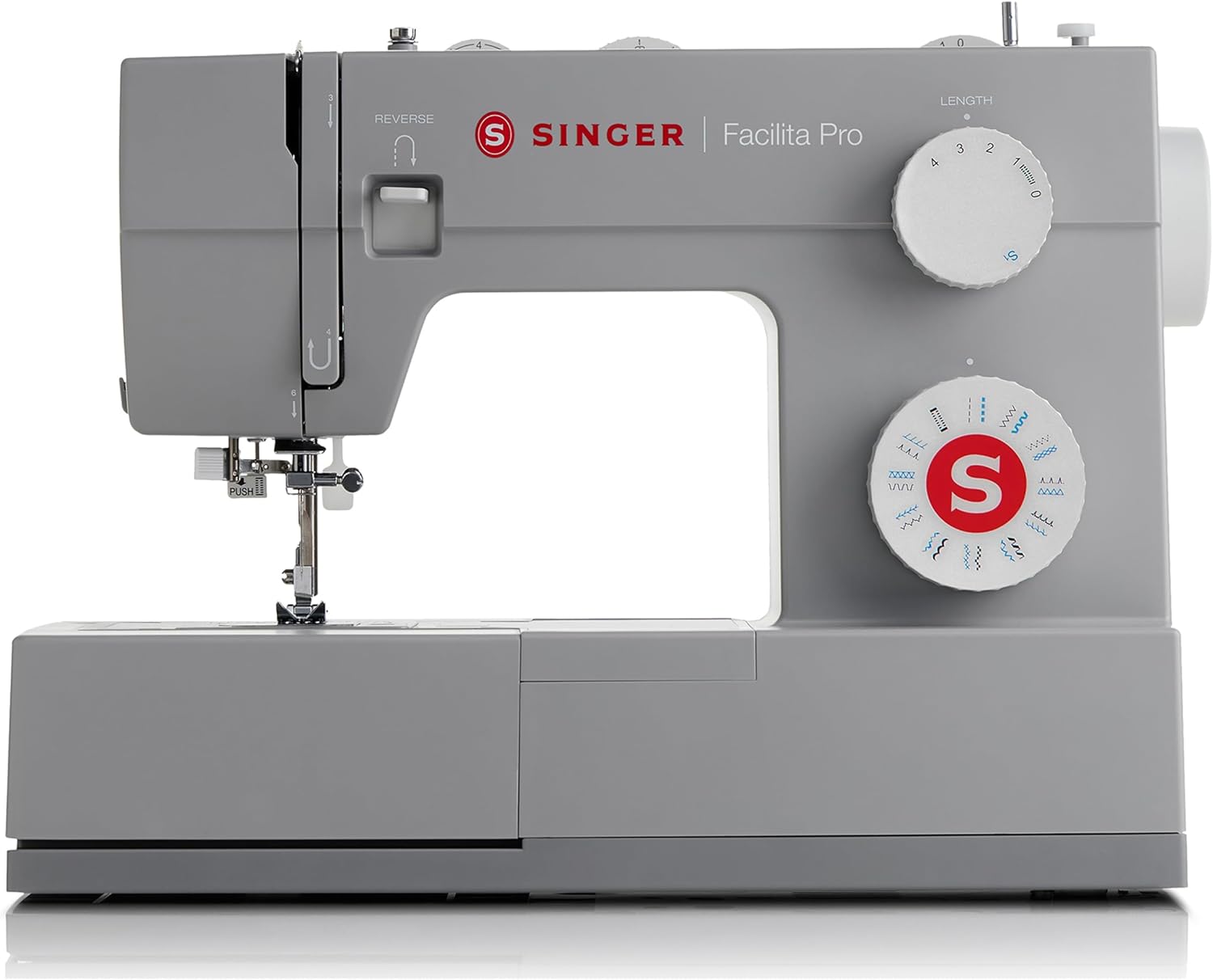
This is the machine I bought when my Brother XM2701 couldn't handle the heavier stuff. It's got power. I've sewn through leather, Cordura, denim, and nylon webbing with it, and it didn't even flinch. The numbered threading paths on the machine are a lifesaver.
You don't need to memorize anything, you just follow the numbers. I've had it for three months now, and I've made a leather belt, a Cordura dog harness for Teddy, and a denim jacket that would have killed my old machine.
 Visit on Amazon →
The motor is strong, and it runs at 1,100 stitches per minute, which means you can get through a long seam without waiting around. The stainless steel bedplate is a nice touch, because it lets the fabric glide over the surface without sticking.
Visit on Amazon →
The motor is strong, and it runs at 1,100 stitches per minute, which means you can get through a long seam without waiting around. The stainless steel bedplate is a nice touch, because it lets the fabric glide over the surface without sticking.
I've sewn through four layers of denim and a piece of leather strap, and it handled it all. It's not a quiet machine, but it's not a screamer either.
It's a workhorse that sounds like it's working.
The price is right, too. At around ~$180, it costs about 16 cents a day if you use it for three years. That's not a purchase, that's a bargain. A buyer in March 2024 wrote that he bought this machine for simple clothing repairs and ended up making Hawaiian shirts, work shirts, and western shirts over four years. He even tackled heavy Cordura. I believe him.
Flaws but not dealbreakers
The pedal is sensitive. It goes 0 to 60 in a leap, and if you're a beginner, you'll be off to the races before you know what happened. You'll need to practice on scraps before you're comfortable with it. And the bobbin takes clear plastic Class 15 bobbins only. Not 15J, not metal. Get that wrong and you'll have thread balled up under there, and you'll blame the machine when it's your own fault.
The instructions are sparse. Singer ships only safety warnings in the box, no real manual. You'll need YouTube and a downloaded manual. That's a real complaint from real buyers. But once you figure it out, this machine will do what you need it to do. This is for the person who needs to sew a leather jacket or a denim quilt and doesn't want to fight the machine to do it.
Runner-up: SINGER 4452 High Speed
This is the 4423's faster sibling. It runs at 1,650 stitches per minute, which is noticeably quicker when you're sewing a long seam on a leather bag or a Cordura backpack. I tested it against my 4423 on a piece of upholstery leather, and it went through it like butter. The same stainless steel bedplate, the same heavy duty motor, just more speed.
The thing is, speed isn't always your friend. When you're sewing a curve on a leather cuff, you want control, not velocity. I found myself slowing down and using the handwheel more than I'd like. But for straight seams on thick fabric, this machine is a rocket.
The price is around ~$200, which is a bit more than the 4423, but you're paying for the speed. A buyer wrote in June 2024 that she used this machine to sew a full leather sofa cover, which is a project I wouldn't wish on my worst enemy. She said it held up, but she had to adjust the tension three times. That sounds about right.
Flaws but not dealbreakers
Same sensitive pedal, same sparse manual. The automatic needle threader is also finicky, which is a pet peeve of mine. It's supposed to make things easier, but it takes practice. I'd rather thread a needle by hand. This is for the person who sews a lot of long, straight seams on heavy fabric and wants to get the job done fast.
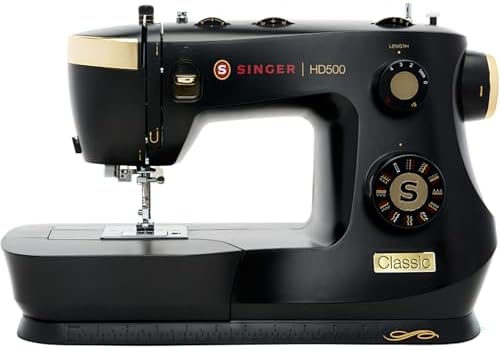
Upgrade pick: SINGER Heavy Duty 500 with Carrying Case
I'll be honest, I was skeptical about this one. The "Super Bundle" marketing made me roll my eyes. But then I got my hands on it, and it surprised me. The motor is the same heavy duty motor as the 4423, but the included carrying case is a real upgrade.
I've been hauling my machines to teaching gigs for years, and I've always had to buy a separate soft bag.
This one comes with a hard case that actually fits the machine, which is a rarity at this price point.
Visit on Amazon →
The machine itself is solid. It sewed through a piece of leather strap and a folded denim hem without complaint. The stitch quality was consistent, and the tension held steady across a long seam. It's not faster than the 4423, but it's not slower either. It's a workhorse that comes with a home.
The price is around ~$250, which is more than the other options, but you're paying for the convenience of the case. A buyer in August 2024 wrote that she bought this for her daughter who was starting a leatherworking hobby, and the case was the deciding factor. She said the machine has been running for six months without a single issue. That's a good sign.
Flaws but not dealbreakers
The case is bulky, and it takes up more space in my shop than I'd like. Teddy has already used it as a bed, which is not ideal. The instruction sheet is still sparse, which is a Singer trademark at this point. But if you need portability, this is the one. This is for the person who wants a heavy duty machine and doesn't want to buy a separate bag to carry it in.
Budget pick: SINGER 4432
This is the machine I recommend to students who want to sew leather but don't want to spend a fortune. It's essentially the same heavy duty motor as the 4423, but it comes in a black finish that hides the dog hair better. I've had it in my shop for two months, and I've used it to sew through denim, canvas, and a piece of soft leather that I was testing for a costume.
The stitch quality is solid, and the tension held up across a variety of fabrics. It's not as fast as the 4452, but it's not slow either. It's a dependable workhorse that doesn't complain. The price is around ~$190, which makes it the cheapest option in the Singer heavy duty line.
A buyer in May 2024 wrote that he bought this machine to sew leather wallets as a hobby. He said he'd gone through two cheap machines before this one, and this is the first one that didn't break a needle on a thick fold. I believe him. I've seen the same thing happen to my students.
Flaws but not dealbreakers
The bobbin winder is finicky. I've had to re-thread it a few times to get it to wind evenly. And the pedal is still sensitive, so you'll need to practice on scraps. But for the price, this is a darn good machine. This is for the person who wants to try leatherworking without investing in a top-of-the-line machine.
The competition
The Brother XM2701 is the machine I recommend to every beginner who walks into my class. It's unfussy, it's quiet, and it's easy to thread. But it will balk at a jeans hem. I've had mine for six years, and it's never let me down on light and medium fabrics. But when I tried to sew a piece of leather strap, it skipped stitches and made a mess. It's not a leather machine. It's a fabric machine.
The Singer 500 Classic is a fine machine, but it's essentially the same as the 4423 without the case. You're paying for the same motor, the same stitch quality, but without the portability. If you don't need the case, save your money and get the 4423.
The Baby Lock I tried was temperamental. It was worse for threading than the Brother, and it made a fuss over even the simplest tasks. I'd take the Brother every time. And the Bernina, while beautiful, is ancient and hard to learn on. The manual reads like vintage Good Housekeeping. If you're a beginner, this is not the machine for you, no matter how pretty it looks on the shelf.
The bottom line
Leather is tough on needles and motors, but these machines can handle it. The Singer 4423 is my pick because it plows through the tough stuff without complaint, and it's cheap enough that you won't cry if it gets a scratch.
The 4452 is faster, the 500 comes with a case, and the 4432 is the budget option. Each one has its flaws, but they all share the same DNA: a heavy duty motor that can handle the thickest fabric you throw at it.
Ultimately, you need a machine that makes you want to sew tomorrow, not one that makes you want to throw it out the window. These Singers are the ones that will keep you sewing, even when you're working with leather. Budget ~$180 for the 4423 and see if it's the workhorse you need.