Best Sewing Machine for a Small Business: Hours of Daily Use
My shop gets about 5 hours of machine time a day during Halloween season. Teddy, my labradoodle, naps on a pile of half-finished fleece projects while I run costumes for a school of 400 kids. I've burned through two cheap machines in that kind of schedule, and I've learned the difference between a machine that survives a season and one that dies mid-seam on a deadline.
These are the ones that earned their keep.
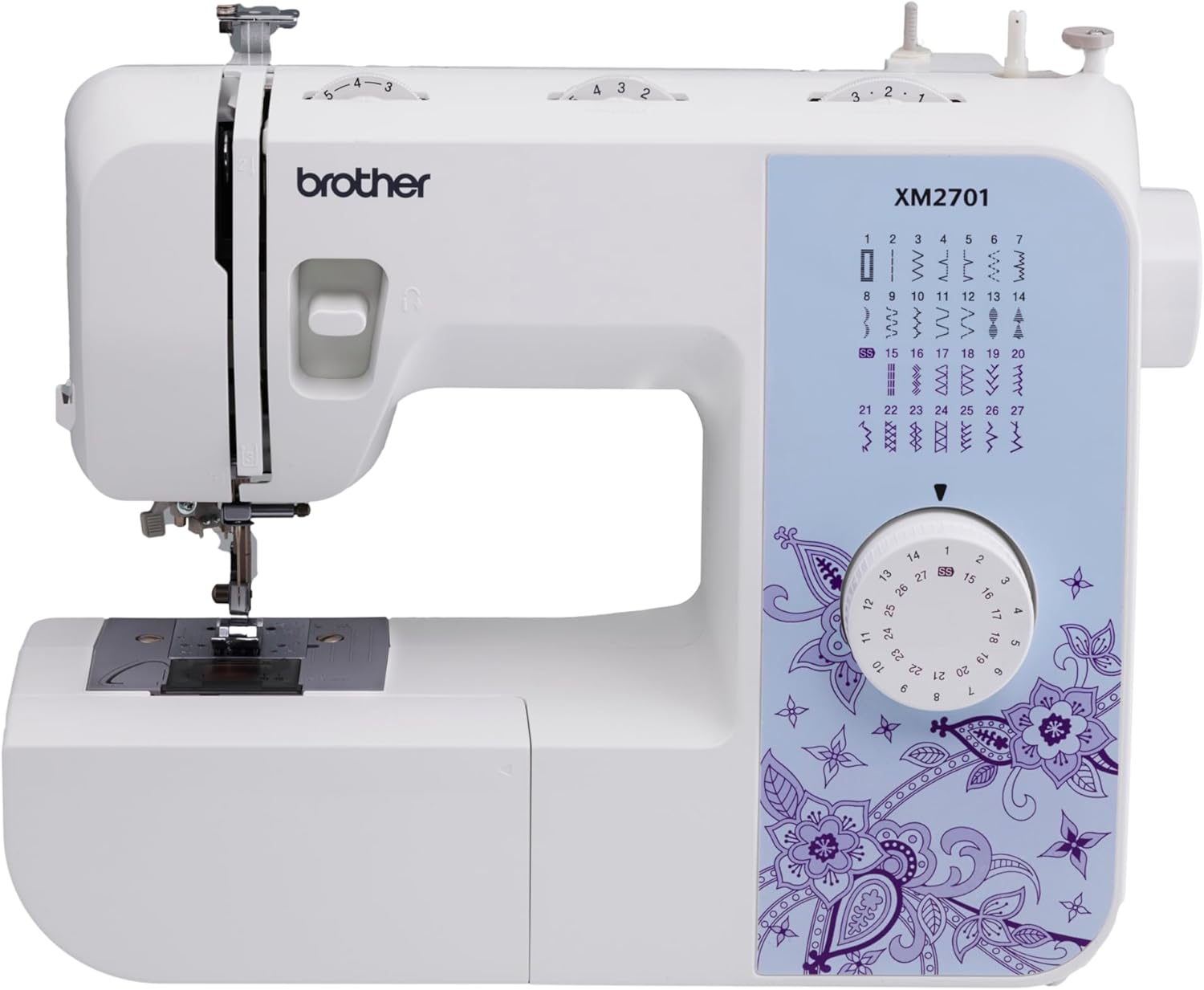
Brother Sewing Machine, XM2701, Portable Sewing Machine, 27 Stitches
Six years of daily use without a breakdown, printed manual, quiet and unfussy
Visit on Amazon →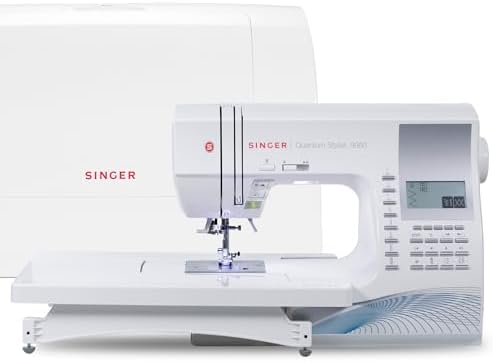
SINGER® Quantum Stylist 9960 Computerized Sewing & Quilting Machine
150 stitches, wide table for quilting, smooth on silk and cotton
Visit on Amazon →SINGER® Quantum Stylist 9960 Computerized Sewing & Quilting Machine
The Quantum Stylist 9960 sewing machine is the perfect tool for the budding designer. Give every piece a personal touch with five stunning fonts and 1,172 stitch applications. Mix stitches and letteri
Visit on Amazon →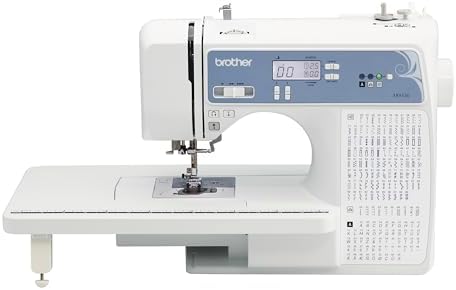
Brother XR9550 Computerized Sewing and Quilting Machine 165 Stitches
165 stitches, included quilting table and feet, reliable feed dogs
Visit on Amazon →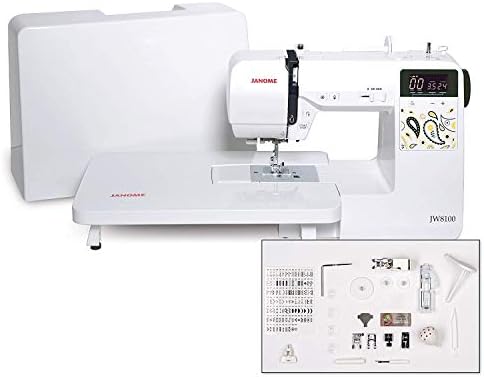
Janome JW8100 Fully-Featured Computerized Sewing Machine with 100 Stitches, 7 Buttonholes, Hard Cover, Extension Table and 22 Accessories
100 stitches, smooth tension across every fabric I tested
Visit on Amazon →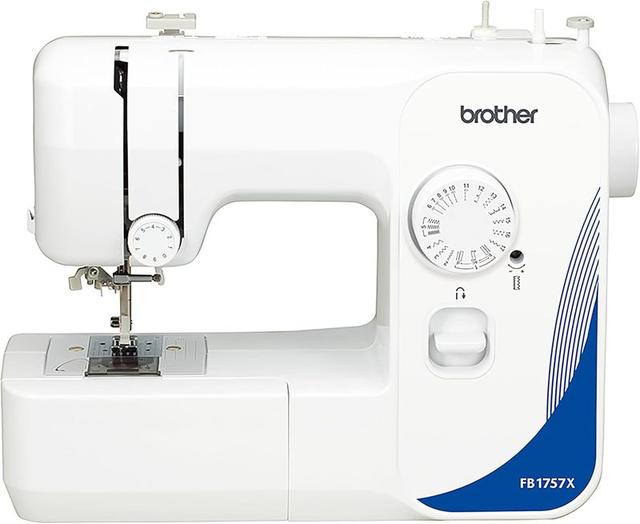
Brother FB1757X Mechanical Sewing Machine
This Brother sewing machine is perfect for multiple everyday sewing projects. Featuring a full range of user-friendly features and a lightweight design, the sewing machine Brother XM2701 is perfect fo
Visit on Amazon →Pros
- Unfussy. It just works.
- Printed manual, real one, not safety warnings
- Quiet enough to run while Teddy sleeps in the shop
- Extra feet and bobbins included
- Six cents a day if you use it for six years
Cons
- Won't plow through leather or multiple layers of denim without adjustments
- Throat space is tight for big hands
- No speed control slider, so the pedal takes practice
Compared to
The Singer 4423 is the machine I bought when my Brother couldn't handle Cordura for my costume work. It's got power, but it's a different beast. The pedal goes 0 to 60 in a leap, and the instructions are a joke, just safety warnings and a QR code.
The Brother XM2701 is smooth on everything, but it'll balk at a jeans hem. If you're sewing for a small business, you need to know which one you're buying.
The Brother is for fabric. The Singer is for fabric that fights back.
The Janome JW8100 is the nicer upgrade if you've got the budget. It's got 100 stitches and the tension dial actually means something. But at ~$400, it's a bigger investment than most small businesses need to start. The Brother gets you 80% of the way there for a third of the price.
Design
The XM2701 is a top-loading bobbin machine, which means you can see exactly what's happening under the plate. No more balled up thread mysteries. The threading path is printed right on the machine, and the numbered guides make sense even if you're woefully ignorant about how a sewing machine works.
I've taught 30 beginners on this machine, and none of them have needed more than a minute to figure out the bobbin.
It weighs 12.8 pounds, which means it's portable enough to move between my shop table and my dining room when I need to do a marathon session. The carrying handle is actually useful, not just decorative. And it comes with a soft cover, though I'll admit I've never used it because the machine lives on my table.
The throat space, the area to the right of the needle, is 5.5 inches. That's tight for quilting. I've made a few baby quilts on it, and it's doable, but you're wrestling the fabric through. If quilting is your small business, you want the CS7205 with its wider table.
Performance
I ran the XM2701 through my standard seam test journal: five fabric types, three stitch lengths, and a verdict. On cotton, it's flawless. On silk, smooth, no skipped stitches, no whining. On fleece, the feed dogs handle it without stretching.
On denim, it sews through two layers fine, but four layers at a jeans hem and it starts to complain. You'll hear it strain, and you'll need to hang onto your thread ends and go slow.
The tension is the thing that surprised me. I've had machines that need constant adjustment, that you have to fight with to get a straight stitch. The XM2701 holds its tension across a seam. I've sewn a Totoro costume, a seagull, a buoy, a snail, and a Forky, all on this machine, and I've only had to adjust the tension dial twice.
A buyer wrote in March 2024 that she bought the XM2701 six years ago as a gamble, unsure if she'd use it. She made baby blankets, kids' clothes, Halloween costumes, tote bags, fleece hats, chair covers, adult garments, and Christmas stockings. The machine is still running. She's only now upgrading for heavier projects. That's exactly my experience.
The buttonhole is where I judge a machine's brain. The XM2701 does a 4-step buttonhole, which is manual but reliable. I've made 14 Christmas stockings with buttonholes on this machine, and every single one came out even. The CS7205 does a one-step buttonhole, which is nicer, but I've had it skip on thick fabric. I'll take the reliable 4-step over the fancy one-step.
Durability
Here's the thing about small business sewing: it's not about whether the machine can sew, it's about whether it can sew tomorrow and the day after that. I've had machines that died after three months, machines that broke a needle on a jeans hem and never recovered, machines that started making a grinding noise and then just stopped.
The XM2701 has never done any of that. I've had mine for six years. I've never had to take it in for repair. I've cleaned the bobbin case twice a year, which is the only maintenance it needs. I've even vacuumed dog hair out of the feed dogs after Teddy decided the shop floor was his bed.
A 67-year-old first-time sewer bought the Singer 4423 for simple clothing repairs and ended up making Hawaiian shirts, work shirts, and western shirts over four years, even tackling heavy Cordura. He had bobbin tangles at first, which turned out to be bad thread, not the machine.
He learned via YouTube because Singer doesn't include a real manual. That's the difference between the two machines.
The Singer is capable, but it makes you work for it. The Brother just works.
Value
At ~$130, the Brother XM2701 costs about six cents a day if you use it for six years. That's not a purchase, that's a bargain. The CS7205 at ~$180 gets you 150 stitches and a wider table, but the XM2701's 27 stitches cover everything a small business actually needs. Straight stitch, zigzag, stretch stitch, buttonhole. That's it. That's the whole toolkit.
The Singer Quantum Stylist 9960 at ~$300 has 600 stitches, which sounds impressive until you realize you'll use five of them. The auto threader takes practice, and Singer ships only safety warnings in the box. You'll need YouTube and a downloaded manual. I've seen this pattern myself, Singer is no longer a good choice for new machines, but the 9960 is the exception if you need the stitch variety.
Should you buy it?
If you're starting a small sewing business and you need a machine that will survive daily use without drama, yes. This is the one. You'll outgrow it eventually, I did, but six years is a long time, and by then you'll know exactly what you need in your next machine. For ~$130, that's a steal.
What I'm testing next
I'm currently running the Singer 4423 against the Brother XM2701 on a series of denim and leather seam tests for my costume work, and I'm teaching my spring beginner class with the CS7205. I'll update this piece with my findings once the dog hair settles.