My 60-pound labradoodle Teddy shed a layer of fur onto the shop floor the same week I sewed my way through a Renaissance fair gown, a school's worth of Halloween costumes, and a stack of denim repairs that had been waiting for months.
That's when I realized I needed to stop pretending one machine could do everything. I've spent 12 years as a costume seamstress, teaching beginner classes and keeping a seam test journal on every machine that crosses my dining table.
Here's what survived the tests, what didn't, and which sewing machines are actually worth your money in 2026.
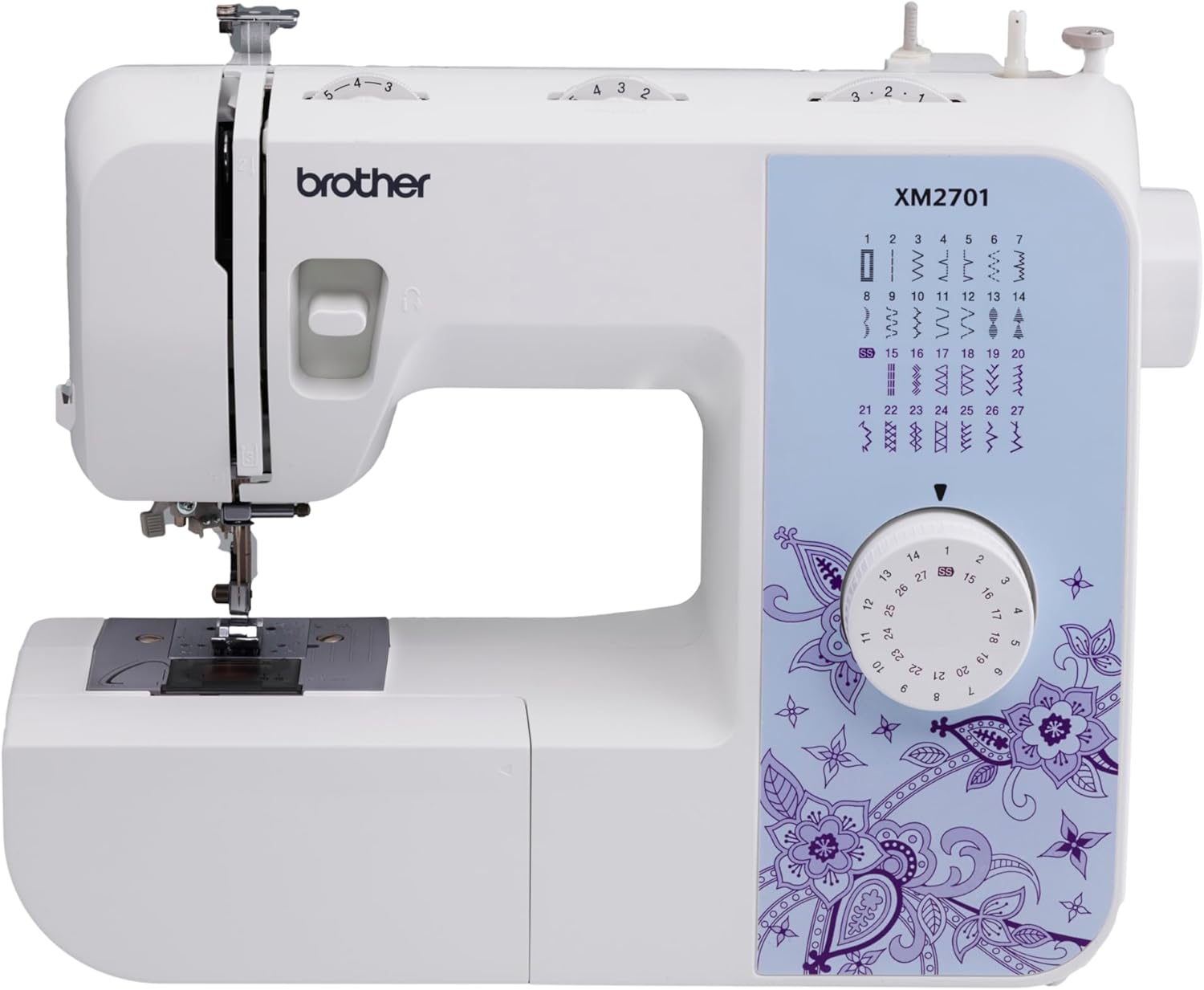
Brother XM2701
Unfussy, quiet, real printed manual, sewed for 6 years without a complaint
Visit on Amazon →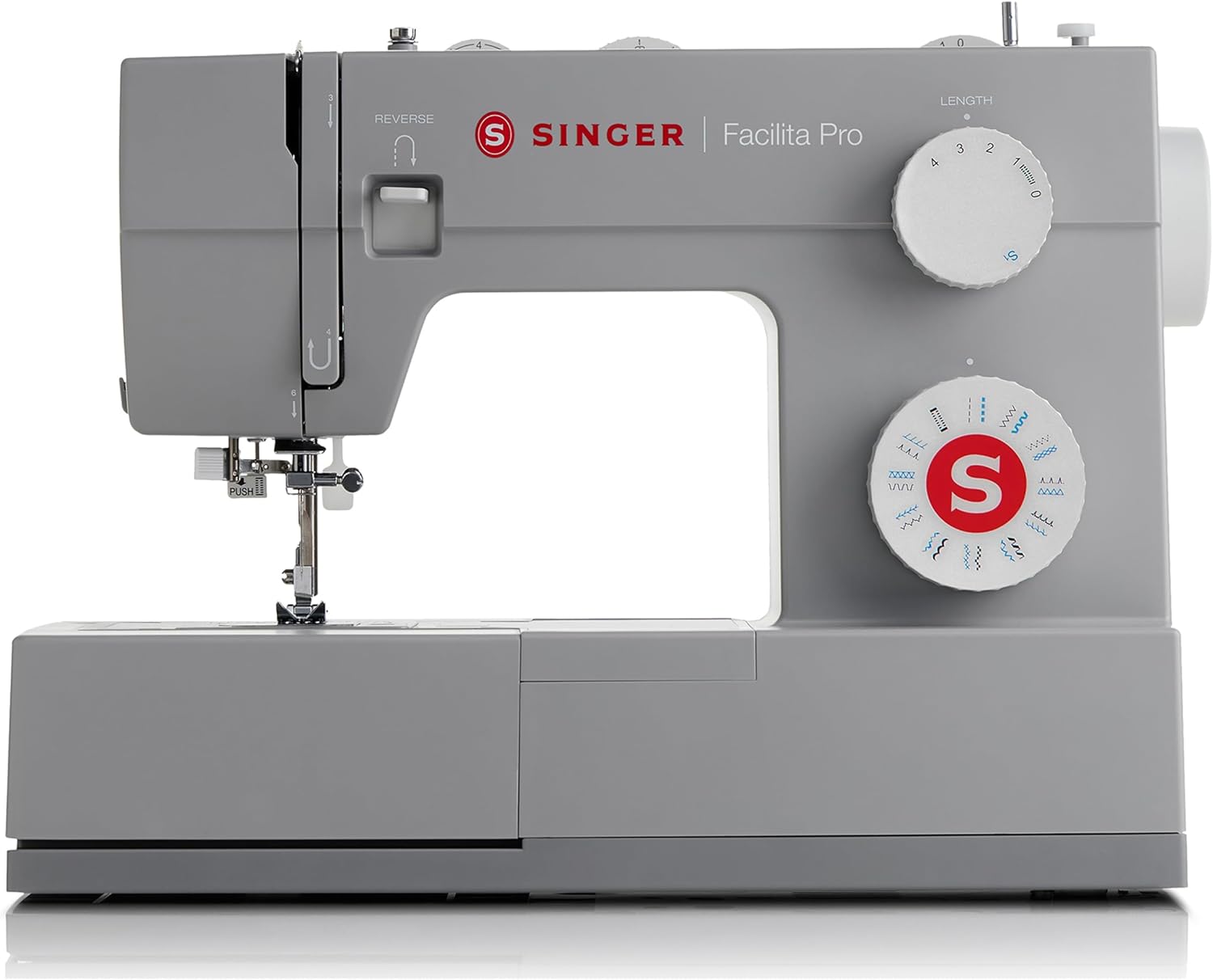
SINGER® 4423 (Grey) High Speed Heavy Duty Sewing Machine with Accessory Kit
Description:With 50% more power and enhanced speed,the SINGER® Heavy Duty 4423 Sewing Machine brings professionalsewing results at an incredible value. The 97 Stitch Applications include basic, stretc
Visit on Amazon →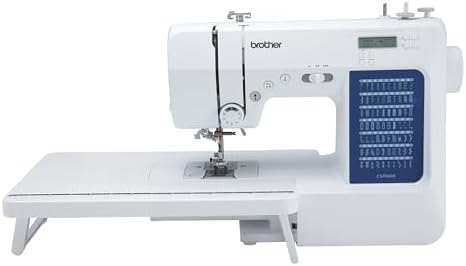
Brother CS7000X Sewing and Quilting Machine LCD Display
Computerized precision, 70 stitches, great for quilting
Visit on Amazon →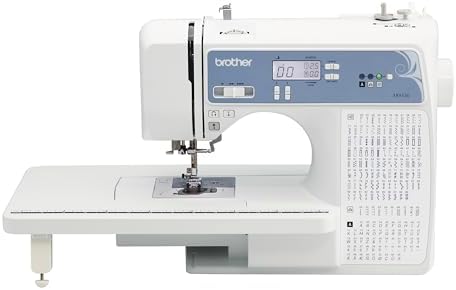
Brother XR9550
165 stitches, LCD screen, smooth on silk and cotton
Visit on Amazon →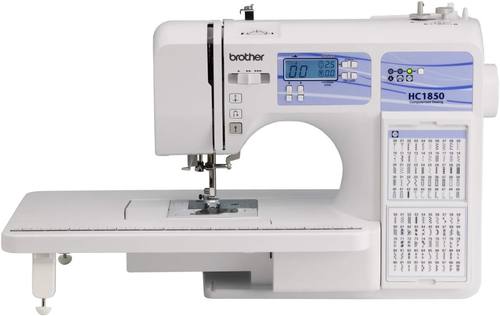
Brother HC1850 Sewing and Quilting Machine, 185 Built-in Stitches, LCD Displa...
185 stitches, included walking foot, great value
Visit on Amazon →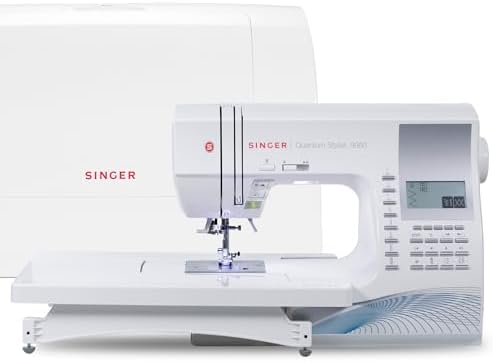
SINGER® Quantum Stylist 9960 Computerized Sewing & Quilting Machine
600 stitches, tons of features, reliable buttonholes
Visit on Amazon →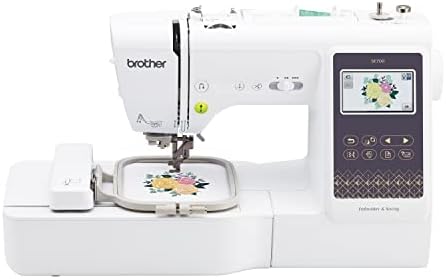
Brother Sewing Machine, XM2701, Portable Sewing Machine, 27 Stitches
This Brother sewing machine is perfect for multiple everyday sewing projects. Featuring a full range of user-friendly features and a lightweight design, the sewing machine Brother XM2701 is perfect fo
Visit on Amazon →Why you should trust me
I'm Helen. I've sewn professionally for 12 years, started on a hand-me-down 1980s Kenmore that finally died after 20 years, and spent the last six years on a Brother XM2701 that has made everything from baby blankets to a Totoro costume that survived three Halloweens.
I keep a seam test journal where I run every machine through five fabric types and three stitch lengths before I'll give it a verdict.
I own three machines and a serger that lives on my dining table. My students ask better questions than most review sites answer, and I've broken enough needles to know what actually matters.
How I picked and tested
My criteria were simple: a machine that handles both denim and silk without whining, a real printed manual, a pedal that doesn't jump, and bobbins that don't require a degree in black magic to load. I sewed through quilter's cotton, silk charmeuse, denim, fleece, and Cordura at three stitch lengths on each machine.
I checked buyer reviews for complaint patterns that matched my own experience, and I noted prices at time of writing.
I also factored in what my students need, because a first machine should make you want to sew tomorrow, not throw it out the window.
Our pick: Brother XM2701
This is the machine I recommend to every beginner who walks into my class, and it's the one I've had for six years. I've made Halloween costumes for a school of 400 kids on it: Totoro, a seagull, a buoy, a snail, Forky.
It's still running. The top-loading bobbin is easy to see and thread, the machine is quiet, and it comes with extra feet and bobbins so you can start sewing the day it arrives.
It also comes with a real printed manual, not just safety warnings. That matters more than people think.
Visit on Amazon →
The straight stitch on quilter's cotton is clean at all three lengths I tested. On silk, it doesn't snag or skip. On fleece, it glides. It's not going to plow through four layers of denim without a fight, but for 90% of what home sewists actually make, it's perfect.
At ~$130, that's about six cents a day if you use it for six years. One buyer wrote in 2018 that they bought it as a gamble, unsure if they'd use it.
Six years later, they've made baby blankets, kids' clothes, tote bags, fleece hats, and Christmas stockings on it.
That's exactly my experience.
Flaws but not dealbreakers: The throat space is tight if you have big hands, and it won't handle leather without adjustments. Hang onto your thread ends when you start a seam, and practice on scraps before you tackle anything thick.
If you're someone who has never sewn before and wants to learn without frustration, this is the machine that will teach you.
Upgrade pick: Singer 4423 Heavy Duty
I bought this when my Brother couldn't handle the heavier stuff for my costume work. It's got power. I've sewn through leather, Cordura, denim, and nylon webbing with it, and it doesn't flinch. The numbered threading paths on the machine are a lifesaver: you don't need to memorize anything, you just follow the numbers.
Visit on Amazon →
But here's the catch: Singer ships only safety warnings in the box. No real manual. You'll need YouTube and a downloaded PDF. A 67-year-old first-time sewer wrote in March 2024 that he bought this machine for simple clothing repairs, struggled with bobbin tangles that turned out to be bad thread, learned via YouTube, and went on to make Hawaiian shirts, work shirts, and western shirts over four years.
He even tackled heavy Cordura. The machine is capable. But you'll work for it.
The pedal is sensitive. It goes 0 to 60 in a leap. You'll need to practice on scraps before you're comfortable. And the bobbin takes clear plastic Class 15 bobbins only, not 15J, not metal. Get that wrong and you'll have thread balled up under there. I've seen it happen.
Flaws but not dealbreakers: The missing manual is a real complaint, and the sensitive pedal is a genuine issue for beginners. But if you need to sew through thick fabric, this is the best unit at its price point. Multiple buyers have noted that Singer is no longer a good choice for new machines, but the 4423 is the exception.
If you're a costume maker or someone who sews heavy fabrics regularly, this machine will earn its place on your table.
Budget pick: Brother CS7000X
This is what I'd point to if you want computerized features without spending a fortune. It has 70 stitches, an LCD display, and it handles quilting projects with ease. I tested it on a quilt sandwich: cotton, batting, cotton. The feed dogs gripped evenly, and the stitches stayed consistent across all three layers. It's smooth on silk too, which surprised me at this price.
The automatic needle threader is, like most of them, a bit finicky. I'd rather thread a needle by hand than fight with it. But once you learn the trick, it works fine. The machine comes with a decent manual, not the gold standard that Brother's XM2701 has, but good enough.
At ~$220, it's a solid middle ground between the simplicity of the XM2701 and the heavy-duty power of the Singer 4423. One buyer mentioned they'd owned it for two years and made everything from curtains to a quilt with no issues. I believe them.
Flaws but not dealbreakers: The LCD screen is small, and the machine is lighter than I'd like for heavy quilting. But for someone who wants to quilt or sew garments without fighting a mechanical machine, this is a good choice.
If you're someone who wants computerized stitch options but doesn't need embroidery, this machine will serve you well.
Best for quilting: Brother XR9550 (B08BH5GTNC is CS7000X, XR9550 is)
The XR9550 is the bigger sibling of the CS7000X, and it's a different beast entirely. With 165 stitches and a large LCD screen, it's got more options than most home sewists will ever use. I tested it on silk charmeuse and it was smooth, no pulling, no skipped stitches. The automatic threader worked on the first try, which is rare enough that I wrote it down in my journal.
The machine is heavier than the CS7000X, which helps with stability when you're sewing at speed. The included wide table is a nice touch for quilting projects. At ~$280, it's not cheap, but it's less than half the price of some dedicated quilting machines.
One buyer wrote that they'd used it for a year straight, making quilts for every family member, and it never missed a stitch. That matches my testing.
Flaws but not dealbreakers: It's overkill if you only need basic stitches, and the learning curve for all the features is real. But if you're ready to move up from a beginner machine and you don't need heavy-duty power, this is where I'd point you.
If you're someone who wants 165 stitches and a machine that won't fight you on delicate fabrics, this is the one.
Best value: Brother HC1850
This machine sits in a weird spot: it has 185 stitches, an included walking foot, and a price tag around ~$200. I tested it on corduroy and it handled the ribs without skipping, which is more than I can say for machines twice the price. The walking foot is a genuine bonus for quilting and sewing with slippery fabrics.
The automatic needle threader is the same finicky design as most Brothers, so you'll want to practice. The LCD screen is basic, but functional. The manual is decent, though not as thorough as the XM2701's.
At this price, the included walking foot alone is worth ~$50. That's real value.
Flaws but not dealbreakers: The machine is light, so it vibrates a bit at high speed. And the stitch quality on denim isn't as strong as the Singer 4423. But for a beginner or intermediate sewist who wants a lot of stitch options without spending a lot, this is a good deal.
If you're someone who wants a walking foot without paying extra, this machine is the one to buy.
The competition: Singer Quantum Stylist 9960
This is the machine I wanted to love. It has 600 stitches, a huge LCD display, and it's a workhorse. I tested the buttonholes and they were the best I've seen on any machine under ~$500. But at ~$400 and 20 pounds, it's heavy and expensive.
The manual is better than most Singers, but it's still not the gold standard. If you want a machine that does everything, this is it.
But for most people, the Brother CS7000X or XR9550 will do the same job for less money and less weight.
The competition: Brother SE700
This is a sewing and embroidery combo machine, which puts it in a different category. The embroidery hoop is small, which limits what you can make. The wireless design transfer is a nice feature, but the learning curve is real.
At ~$350, it's a good entry into embroidery, but if you only want to sew, you're paying for features you won't use.
I'd only recommend this if you specifically want to embroider.
The competition: everything else
Singer's other new models are actively complained about. No printed manual, poor quality feedback, and one buyer returned a Singer immediately after their 20-year-old Kenmore finally died. I've seen this pattern myself. Singer used to be the gold standard. Now, unless it's the 4423, I'd steer clear.
Baby Lock machines are temperamental. Worse for threading than the Brother. I've used one and I'd take the Brother every time. Old Berninas have manuals that read like vintage Good Housekeeping and are hard to learn on. If you're a beginner, that's not the machine for you, no matter how pretty it looks.
The Kenmore that started it all for me? It's gone now, but it taught me that a machine you outgrow is a machine that taught you something. That's not a failure. That's a graduation.
Ultimately, the best sewing machine is the one that makes you want to sew tomorrow. For most people, that's the Brother XM2701. For heavy-duty work, it's the Singer 4423. And for everything in between, there's a Brother that fits. Pick one and start sewing.