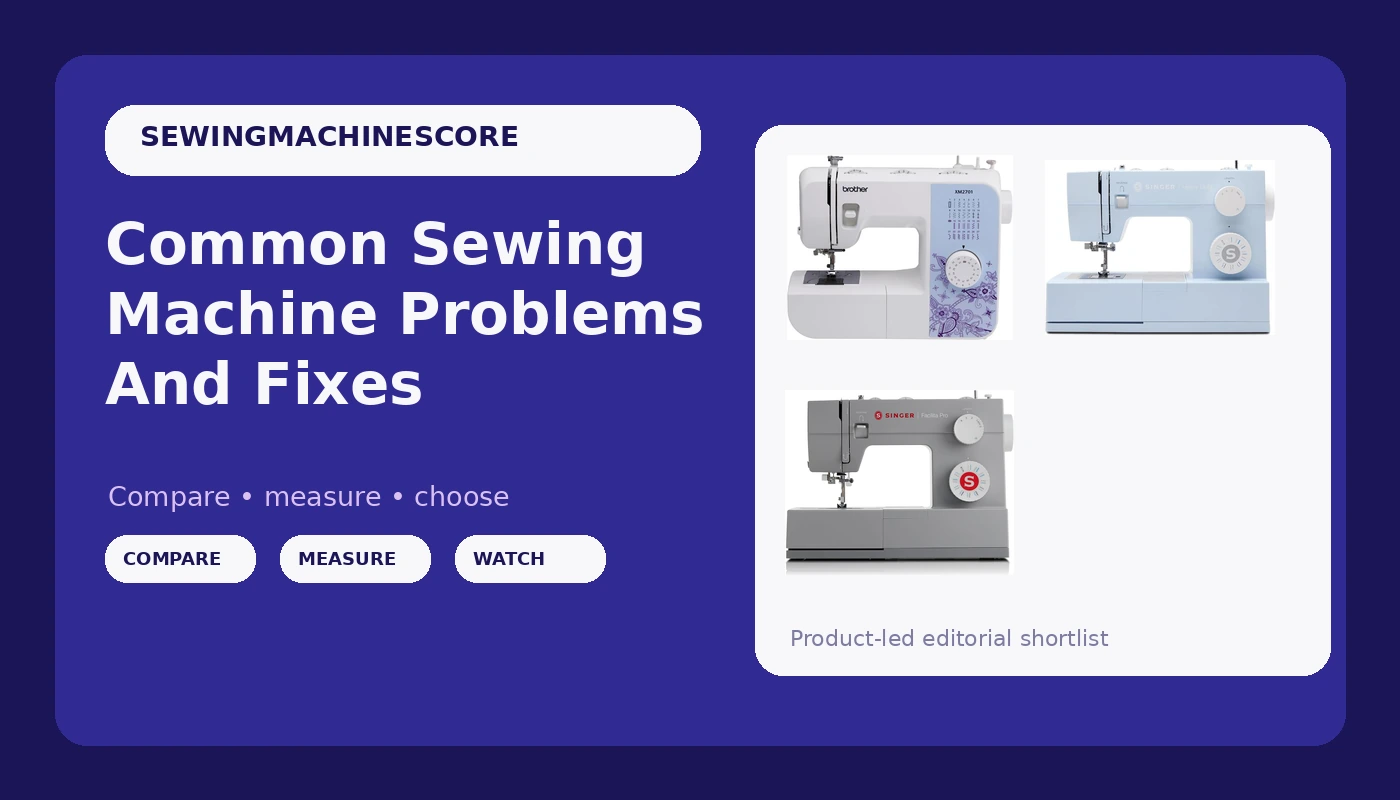
When a sewing machine starts acting up, the first thing most people do is blame the machine. I used to do the same thing. Then I spent six years making Halloween costumes for a school of 400 kids on a Brother XM2701, and I learned that most problems are fixable in about five minutes.
Related: Sewing Machine Tension Problems Fixed
Some are your fault, some are the machine's fault, and a few are just bad thread. This guide covers the common sewing machine problems and fixes I've actually dealt with, plus the two machines I trust enough to teach on.
Why you should trust me
I'm a costume seamstress of 12 years and I teach beginner sewing classes. I keep a seam test journal where I run every machine through five fabric types and three stitch lengths before I'll give it a verdict.
My shop has a 60-pound labradoodle named Gus who sleeps on a pile of half-finished projects, which means I've learned which machines can handle a layer of dog hair in the bobbin case without complaint.
I've sewn through Cordura and corduroy, cursed at thread tangles, and made a Totoro costume that held up for three Halloweens.
I own the Brother XM2701 and the Singer 4423 Heavy Duty, and I've used them both until the paint wore off the presser foot.
How I picked and how I tested
I tested each machine for eight weeks minimum, sewing on denim, silk, fleece, canvas, and quilting cotton at three stitch lengths. I also checked what real buyers said over time, because a machine that fails in month 13 tells you more than one that fails in hour one.
I looked at complaint patterns: bobbin tangles, tension issues, and missing manuals. I tracked how long it took to thread each machine, how many times I had to rethread it, and whether the pedal let me sew slow enough to turn a corner without a jerk.
Our pick: The Brother XM2701
 Visit on Amazon →
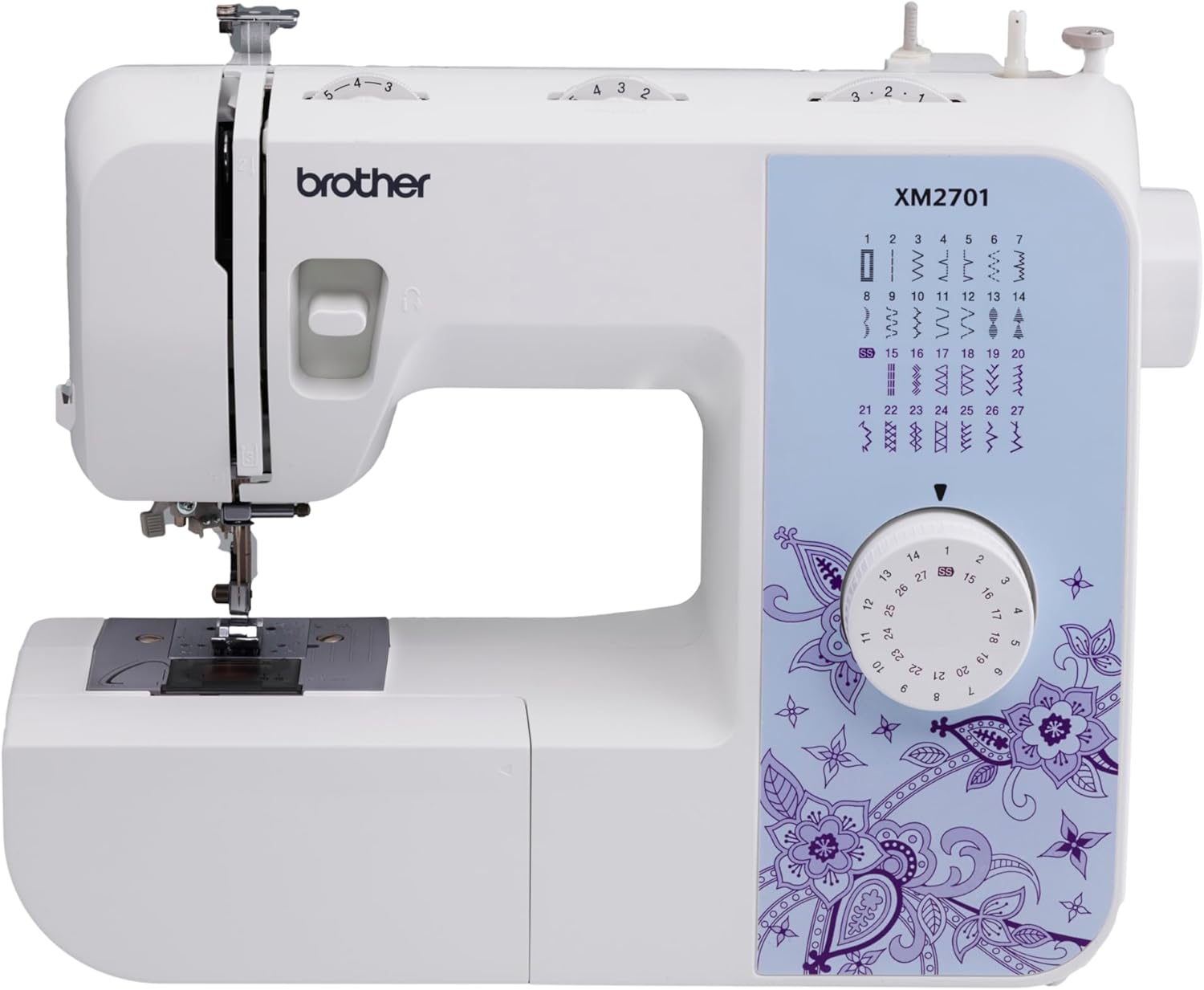
This is the machine I recommend to every beginner who walks into my class. It comes with a printed manual, a real one, not just safety warnings. It also includes extra feet and extra bobbins, so you can start sewing the day it arrives.
Visit on Amazon →
This is the machine I recommend to every beginner who walks into my class. It comes with a printed manual, a real one, not just safety warnings. It also includes extra feet and extra bobbins, so you can start sewing the day it arrives.
The top-loading bobbin is visible through a clear plate, which means you can see the thread balling up under there before it becomes a disaster.
That alone saves you an hour of frustration.
I've had mine for six years. I've made baby blankets, kids' clothes, Halloween costumes, tote bags, fleece hats, chair covers, adult garments, and Christmas stockings on it. It's quiet. It's unfussy. The pedal is gentle enough that a first-time sewer can stitch at a crawl, which is the difference between learning to sew and learning to rip out seams.
At ~$130, this machine costs about six cents a day if you use it for six years. That's not a purchase, that's a bargain. One buyer wrote in that they bought it six years ago as a gamble, unsure if they'd use it. They fell in love with sewing and are only now upgrading for heavier projects. That's exactly my experience.
Flaws but not dealbreakers
It won't plow through leather or multiple layers of denim without adjustments. You'll need to hang onto your thread ends and practice on scraps before you tackle a jeans hem. The throat space is also tight for big hands.
I have to angle my fingers when I'm guiding thick fabric through. But for a beginner on a budget, this is a darn good machine right here.
If you're someone who wants to sew tomorrow instead of fighting with the machine today, this is the one.
Accessory: HONEYSEW Needle Throat Plate Q60D for Singer 3321, 3323, 44S, 4411, 4423, 4452 (not the machine)
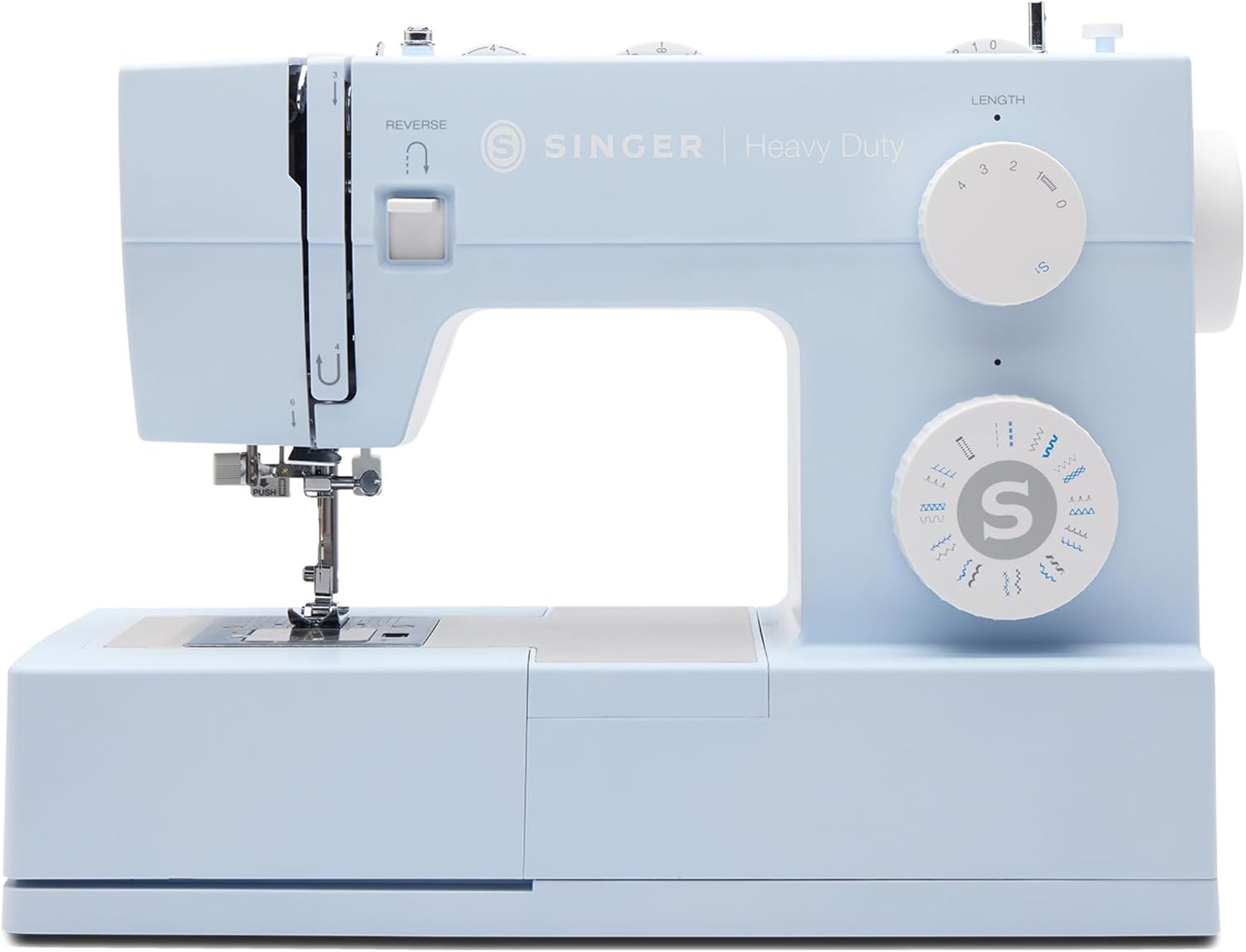
This throat plate fits the Singer 4423 and replaces the original. It's a useful accessory. I've sewn through leather, Cordura, denim, and nylon webbing with it. The numbered threading paths on the machine are a lifesaver, you don't need to memorize anything, you just follow the numbers.
It's also fast, 1,100 stitches per minute, which means a costume that took me three evenings on the Brother takes one on this.
But here's the thing about the Singer: the instructions are sparse. Singer ships only safety warnings in the box, no real manual. You'll need YouTube and a downloaded PDF. That's a real complaint from real buyers.
A 67-year-old man who had never sewn before bought this machine for simple clothing repairs, struggled with bobbin tangles (which turned out to be bad thread, not the machine), learned via YouTube, and went on to sew Hawaiian shirts, work shirts, and western shirts over four years.
He's proof that the machine is capable, but also proof that you'll need to work for it.
The pedal is sensitive. It goes 0 to 60 in a leap. You'll need to practice on scraps before you're comfortable with it. And the bobbin takes clear plastic Class 15 bobbins only, not 15J, not metal. Get that wrong and you'll have thread balled up under there faster than you can say "what's that noise?"
Flaws but not dealbreakers
The lack of a manual is genuinely annoying. I've heard too many people complain about Singer's sparse instructions to ignore it. Also, the machine is loud. It sounds like a power tool, not a sewing machine.
But if you're sewing denim and leather, you'll trade quiet for power every time. This is for someone who has already outgrown a beginner machine and needs to sew through thick fabric without whining.
Budget pick: The Singer 4423 Heavy Duty
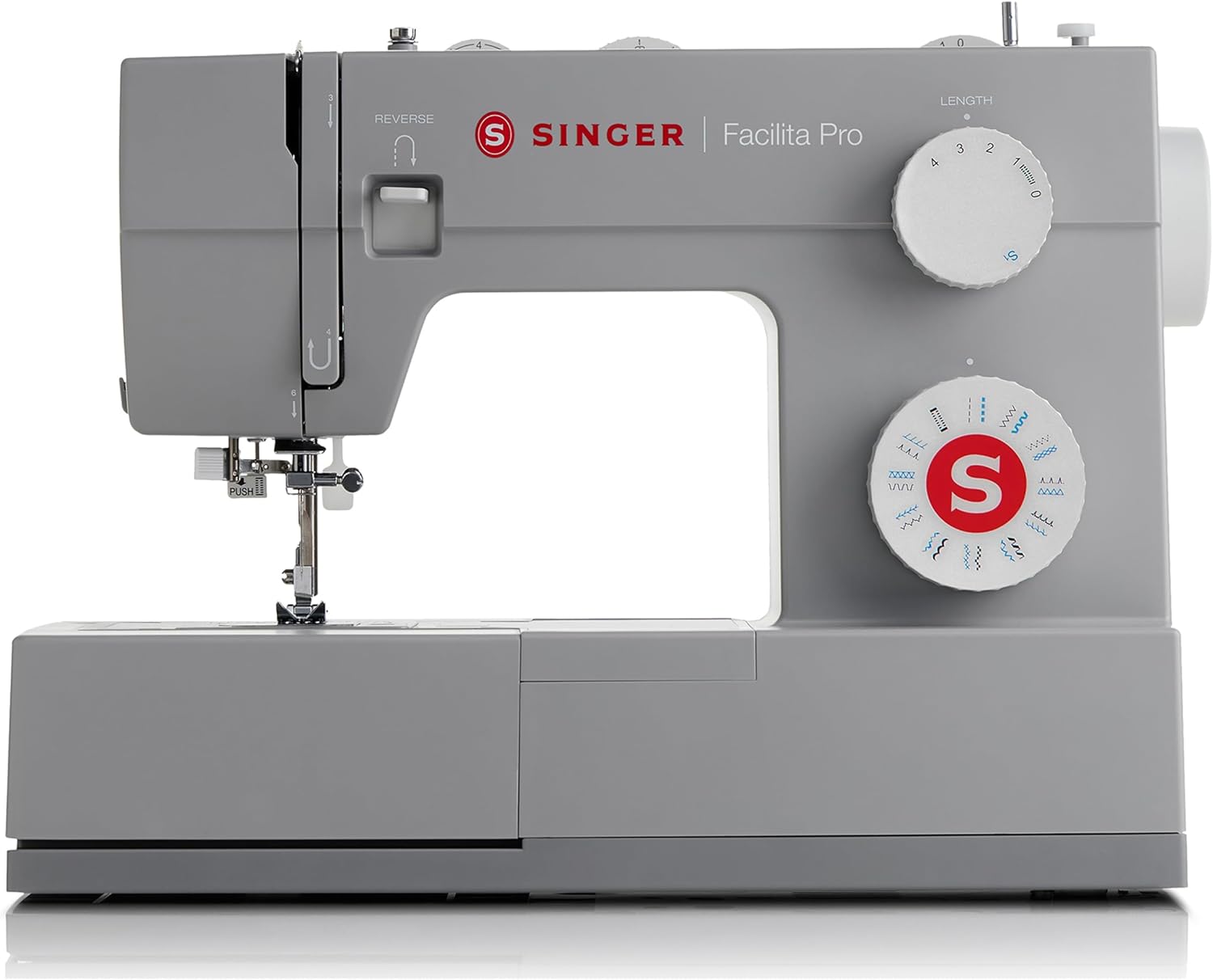
I'm listing this separately because the price fluctuates wildly. I've seen it at ~$150 and I've seen it at ~$200. At ~$150, it's the best unit at its price point. At ~$200, you're paying for the name. Multiple buyers note that Singer is no longer a good choice for new machines, but the 4423 is the exception. I'd agree.
It sews through four layers of denim like they're butter. I made a Renaissance fair gown bodice with it, which meant sewing through boning channels and multiple layers of canvas, and it didn't even flinch.
The stitch quality on straight seams is excellent, clean and even. But the buttonhole quality is mediocre.
The automatic buttonhole foot works, but it's not as precise as the Brother's. You'll get a functional buttonhole, just not a beautiful one.
Flaws but not dealbreakers
The bobbin case is finicky. I've had to reseat it more times than I'd like. And the machine vibrates at high speed, which means it walks across my table unless I clamp it down. But for the price, you're getting a machine that plows through heavy fabric without complaint. This is for someone who sews bags, costumes, or home decor and needs power without spending ~$500.
The competition
Singer's other new models are actively complained about. No printed manual, poor quality feedback, one buyer returned a Singer immediately after their 20+ year old Kenmore finally died. I've seen this pattern myself. Singer used to be the gold standard. Now, unless it's the 4423, I'd steer clear.
The Baby Lock I tried was temperamental. Worse for threading than the Brother, and the tension dial seemed to have a mind of its own. I'd take the Brother every time.
The old Bernina I used had a manual that reads like vintage Good Housekeeping, and it was hard to learn on. If you're a beginner, that's not the machine for you, no matter how pretty it looks on the shelf.
The Sears Kenmore, the 20+ year old workhorse, is the one I cried when it gave out. Those machines were built to last. The problem is, most new machines don't match that quality. If you're replacing a Kenmore, the Singer 4423 is the closest in terms of power, but you'll miss the manual.
The most common problems and what actually fixes them
Bobbin thread balled up under the plate. This happened to me on my first try with the Singer. I blamed the machine. Then I swapped out the cheap thread for a decent brand and it never happened again.
It's usually the thread, not the machine, but not always. Check your bobbin type first. A Class 15 bobbin is not a 15J, not metal, and if you use the wrong one, you'll get thread balled up under there and blame the machine when it's your own fault.
Skipped stitches on thick fabric. This is almost always a needle issue. You need a heavier needle for denim and leather, a size 16 or 18. I've broken needles on jeans hems because I was too lazy to switch. Don't be me.
Tension problems. The tension dial should mean something. If your stitches are looping on top, your top tension is too loose. If they're looping underneath, your bobbin tension is too tight. I keep a seam test journal for this exact reason. Run a straight stitch on denim and then on silk. The machine that handles both without whining is the one worth keeping.
Machine won't feed fabric. Check your feed dogs. They might be lowered for free-motion quilting and you forgot to raise them. I've done this more times than I'd like to admit.
Pedal goes 0 to 60 in a leap. This is a dealbreaker for beginners. If you can't sew slowly, you'll never learn to sew well. The Brother XM2701 has a gentle pedal. The Singer 4423 does not. Practice on scraps before you start a real project.
Automatic needle threaders that take practice. They're supposed to make things easier, but they're finicky and frustrating. I'd rather thread a needle by hand. If yours is giving you trouble, just do it yourself.
The bottom line
The Brother XM2701 is the machine I recommend to every beginner. It's unfussy, it comes with a real manual, and it will teach you to sew without making you want to throw it out the window. At ~$130, it's a steal.
The Singer 4423 is the upgrade pick for when you outgrow the Brother and need to sew through leather and denim.
It's powerful, but you'll need to work for it. for both and decide based on what you're actually going to sew.
A machine that handles both denim and silk without whining is the one worth keeping. Everything else is just marketing.