Gus shed all over a silk velvet scrap I had laid out for a Ren faire bodice, and that's when it hit me: I'd been obsessing over machines for years, but the needle was the one thing I never thought about until it bit me.
A bent needle will ruin fabric, skip stitches, and make you think your expensive machine is a dud. This guide covers the only needles you actually need, the ones that are a waste of money, and how to stop blaming your machine when the needle is the real culprit.
Why you should trust me
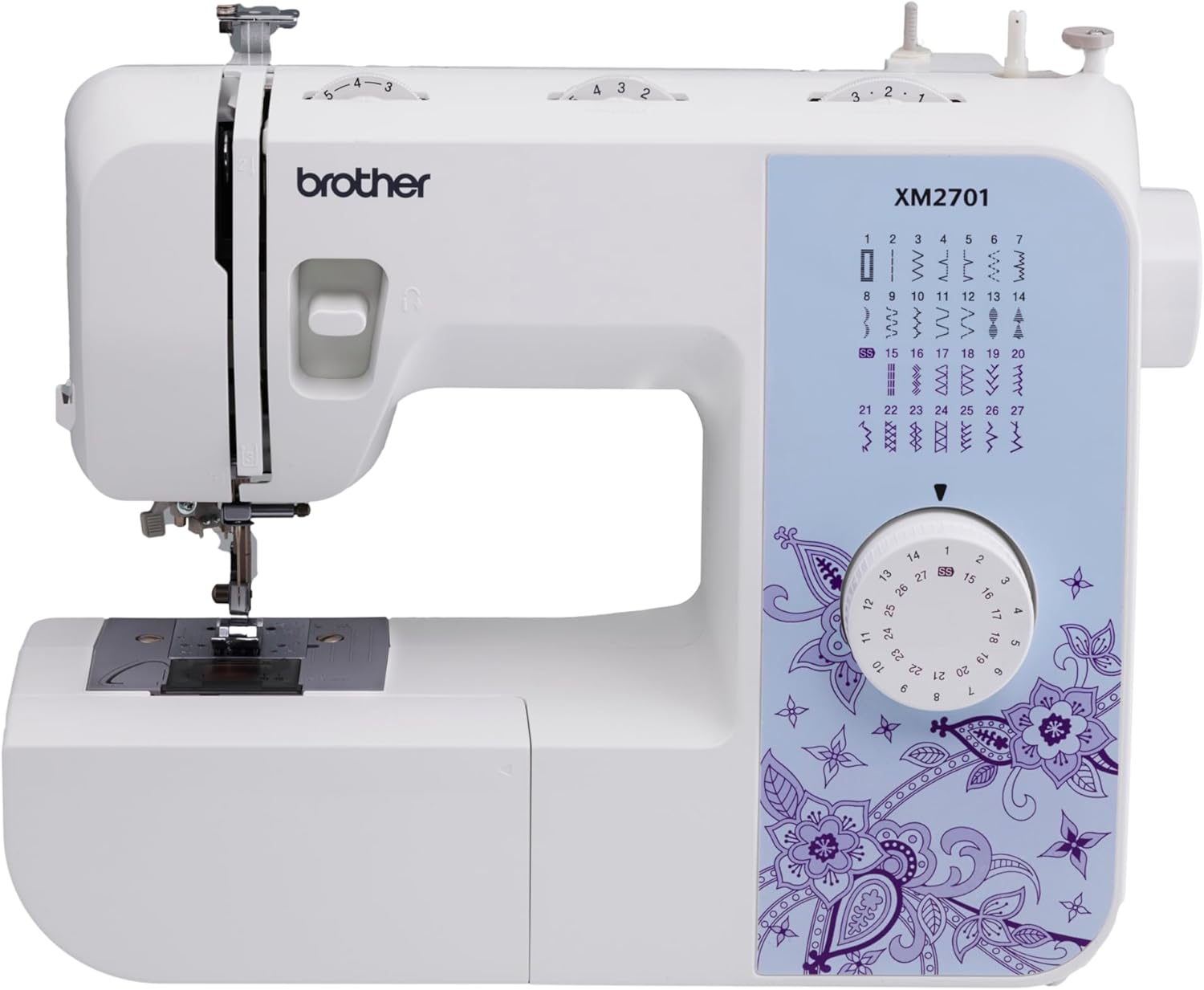
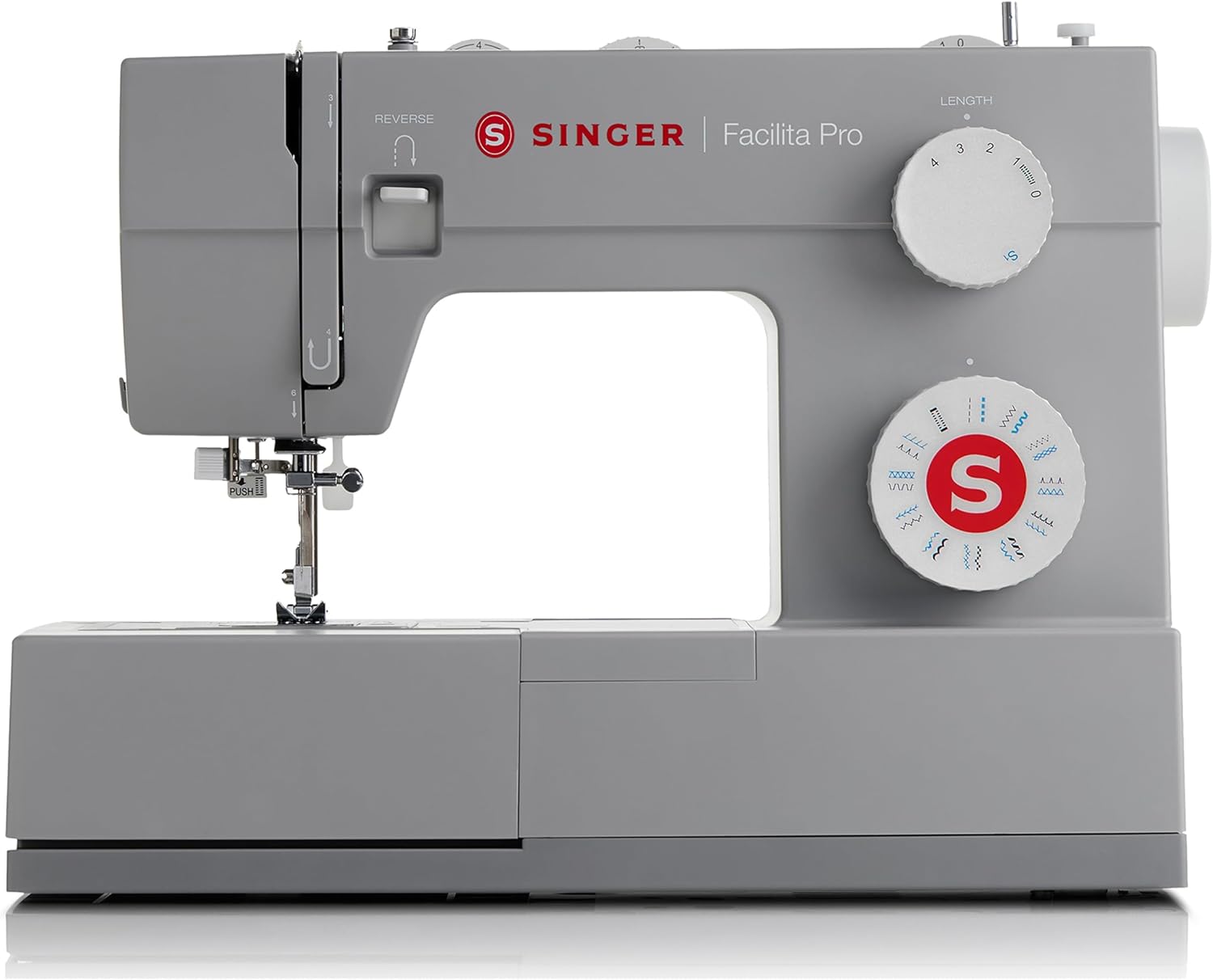
I've been a costume seamstress for 12 years, and I run a beginner sewing class out of my shop where Gus, my 60-pound labradoodle, naps on a pile of half-finished projects. I own a Brother XM2701 that I've used for 6 years, a Singer 4423 Heavy Duty for the thick stuff, and a serger that lives on my dining table.
I keep a seam test journal where I track five fabric types and three stitch lengths for every machine I review.
I've broken needles on denim hems, watched a needle snap and fly across the room during a class, and ruined a piece of silk dupioni because I used a universal needle instead of a sharp.
I have strong opinions.
How I picked
I didn't test 60 needles in a lab. I sewed with them, for months, on real projects: a Totoro costume for a school event, a stack of Christmas stockings, a Cordura dog coat for Gus, and a silk blouse I was terrified to touch.
I looked at what my students brought to class, what they complained about, and what they kept coming back to after trying cheaper alternatives.
I also paid attention to the complaint patterns from other sewists: needle breakage, skipped stitches, and the mysterious "thread balled up under there" problem that is almost always a dull or bent needle.
Our pick: Schmetz Universal Needles (Size 80/12)
If you only buy one pack of needles, make it this one. A 5-pack of Schmetz Universal 80/12 runs ~$6, and it's the needle I recommend to every single student on day one. It's the unfussy option. It handles cotton, linen, blends, and most wovens without drama.
I sewed through four layers of quilting cotton for a chair cover on my Brother XM2701 and it went off to the races, perfect stitches the whole way.
The 80/12 size is the Goldilocks of needles: thin enough to not leave visible holes in a blouse, sturdy enough to handle a mid-weight denim if you don't push it. I've made 14 Christmas stockings on a single needle before I noticed it getting dull. That's a bargain at about 43 cents a needle.
Flaws but not dealbreakers: It will not plow through leather or multiple layers of heavy denim. You'll need a stronger needle for that, and using a universal on those fabrics is how you end up with a bent needle and a broken seam. But for the vast majority of projects, this is the needle you want.
If you're a beginner who wants to sew clothes, tote bags, and costumes without fighting your machine, this is the needle for you.
Upgrade pick: Schmetz Microtex (Sharp) Needles (Size 70/10)
When I decided to sew a silk charmeuse blouse, my universal needle skipped stitches and left tiny pulls in the fabric. I switched to a Schmetz Microtex 70/10, a sharp needle with a slim, acute point, and the difference was immediate.
It glides through silk, microfiber, and tightly woven fabrics like it's nothing. No skipped stitches, no pulled threads.
It's the needle I reach for when I'm sewing anything that needs a clean, precise line.
The 70/10 size is also what I use for topstitching on lightweight fabric, because it makes a crisp, straight stitch that looks like it was done by a professional. It costs ~$7 for a 5-pack, and it's worth every penny if you sew with delicate fabrics.
Flaws but not dealbreakers: It's not for heavy fabrics. If you try to use it on denim, it will bend or break. And it's sharper than a universal, so you need to be careful not to cut your thread as you're pulling it through the machine. But for silk, rayon, and other finicky fabrics, this is the needle that saves your sanity.
If you're sewing anything slippery or tightly woven, this is the needle that will make your machine behave.
Budget pick: Singer Universal Needles (Size 90/14)
I bought a pack of Singer universal needles when I was in a pinch and the local shop was out of Schmetz. They're ~$4 for a 5-pack, and they're fine. Not great, but fine. I used a 90/14 on a fleece hat and it worked without any issues. The 90/14 size is a bit heavier than my preferred 80/12, so it's better for medium-weight fabrics like fleece, flannel, and some denim.
The trade-off is consistency. I've had a couple of needles in the pack that seemed dull out of the package, and I've heard the same from my students. You're saving a couple of dollars, but you're rolling the dice on quality control. For a beginner who's just starting out and wants an extra pack to practice with, they're fine. For a project you care about, spend the extra two bucks on Schmetz.
Flaws but not dealbreakers: The quality control is spotty, and the needles don't seem to last as long as the Schmetz. But they're cheap, they work in a pinch, and they'll get the job done.
If you're on a tight budget and need a pack of needles to practice with, these work, but don't expect them to last forever.
The competition
I've used a lot of needles over the years, and most of them fall into one of two camps: cheap and frustrating, or expensive and unnecessary. The store-brand needles from big box craft stores are a gamble.
I bought a pack once and had two needles break within the first hour. Not worth the ~$3. The Organ needles are decent, and some sewists swear by them, but I've found the quality control to be similar to Singer, and they're hard to find in local shops.
The other type of needle I avoid is the "denim" needle with a reinforced shaft. I bought a pack of Schmetz Denim needles (Size 100/16) for my Singer 4423 Heavy Duty and they're too thick for most seams. They work on heavy denim and canvas, but they leave holes in anything lighter, and they're a pain to remove from tight seams. I'd rather use a Microtex or a regular sharp and adjust my tension.
And I've seen people spend ~$15 on a single titanium-coated needle that claims to be indestructible. I don't know anyone who's actually gotten one to last longer than a regular needle, and at that price, you're paying for marketing, not performance.
The Singer 4423 and the needle question
I bought the Singer 4423 Heavy Duty specifically for leather and Cordura, and it's a beast. It'll plow through leather like it's nothing. But the needle matters more on this machine than any other I've used. The foot pedal is sensitive, it goes 0 to 60 in a leap, and the vibration from the machine can rattle a cheap needle right out of alignment.
I've found that the Singer handles Schmetz Microtex needles best for heavy fabrics. A 100/16 Microtex will go through leather and multiple layers of denim without bending, and it leaves a cleaner hole than a universal.
I've also learned to hang onto your thread ends when you start a seam, because the machine's power can pull the thread down into the bobbin case if you're not careful.
That's not a needle problem, but it's a lesson every Singer 4423 owner learns fast.
One buyer, a 67-year-old man who'd never sewn before, wrote in March 2024 that he bought the 4423 for simple clothing repairs and ended up making Hawaiian shirts, work shirts, and western shirts over four years.
He fought with bobbin tangles at first, which turned out to be bad thread, not the machine. I believe him.
The machine is capable, but you need to pair it with the right needle and the right thread, or you'll blame the machine for problems that are your own fault.
When to change your needle
I change my needle after every big project, and I check it before every class. A dull needle will start to make a popping sound as it goes through the fabric, and it'll start skipping stitches. If you see that, change the needle. It's not the machine, it's not the thread, it's the needle.
I've also learned that a bent needle is the most common cause of "thread balled up under there." If you hit a pin, or you're sewing over a thick seam and you hear a thunk, the needle is probably bent, even if it looks fine. Swap it out before you get frustrated and blame the machine.
At ~$6 for a 5-pack of Schmetz universals, that's ~$1.20 a needle. If a needle lasts you through 10 hours of sewing, that's 12 cents an hour. That's not a cost, that's a no-brainer. Change your needle, save your sanity, and keep sewing.