I have taught beginner sewing classes in Portland for a long stretch now, and the same scene plays out in every session. A student unzips a bag, pulls out a machine, and then produces a shoebox of gadgets that were bought before the first seam was ever sewn. Needle threaders, seam rippers, spare bobbins, a magnetic pin dish. The machine is usually fine. The bag of extras is where the money quietly disappears.
So when people ask me how to plan a beginner sewing machine setup, I try to answer the question underneath: what do you buy first, what do you buy when a specific problem actually shows up, and what do you skip entirely? The four products below answer different parts of that question. One is a sewing machine, one is a serger, and two are threading tools. They are not four versions of the same thing, and treating them as interchangeable is how a beginner ends up with a closet full of hardware and nothing finished.
The short answer for most people: start with the Janome Arctic Crystal, wait on the Singer S0230 until you are genuinely sewing knits or finishing seams in volume, and treat both needle threaders as convenience purchases rather than equipment. The long answer is about what each one does for you, and where each one leaves you on your own.
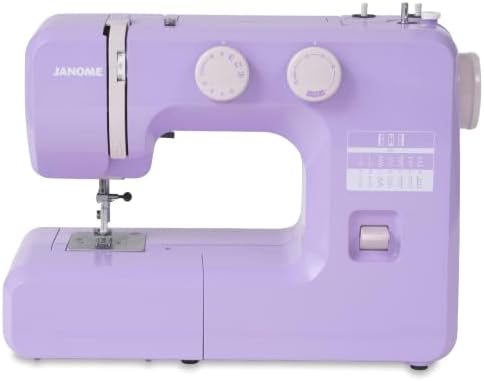
Janome Arctic Crystal Easy-to-Use Sewing Machine
The only real sewing machine in this group, aimed at garments, patchwork, and light quilting, with an interior metal frame, a bobbin diagram, and tutorial videos built for beginners
It will not finish seams or tame knits the way an overlock does, and its feature set is beginner-shaped rather than deep
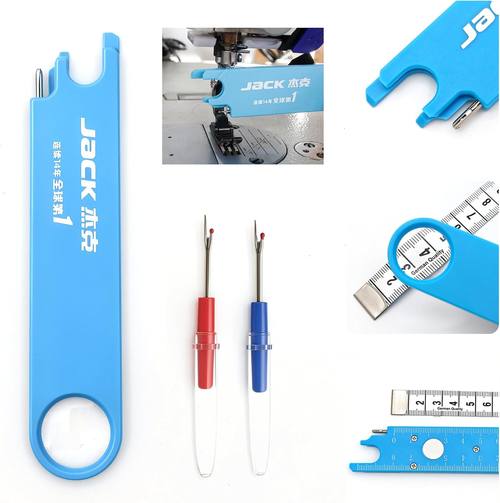
Jack Quick Needle Threader for Sewing Machine, 3-in-1 Sewing Supplies
The least expensive way to stop squinting at a needle eye, with three tools doing related jobs in one small package
It is a hand tool, not a machine, and it solves exactly one problem on one machine at a time
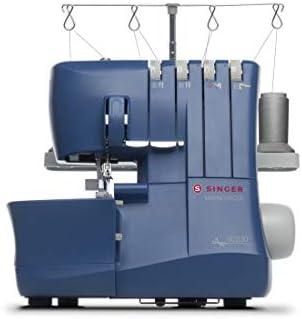
SINGER® S0230 Navy Blue High Speed Overlock Serger, 2-3-4 Thread Capability
Overlock finishing with 2, 3, or 4 thread setups, which is the real answer to fraying edges and stretchy fabric
It is not a sewing machine, so it cannot replace one, and serger threading is a skill you have to learn from scratch
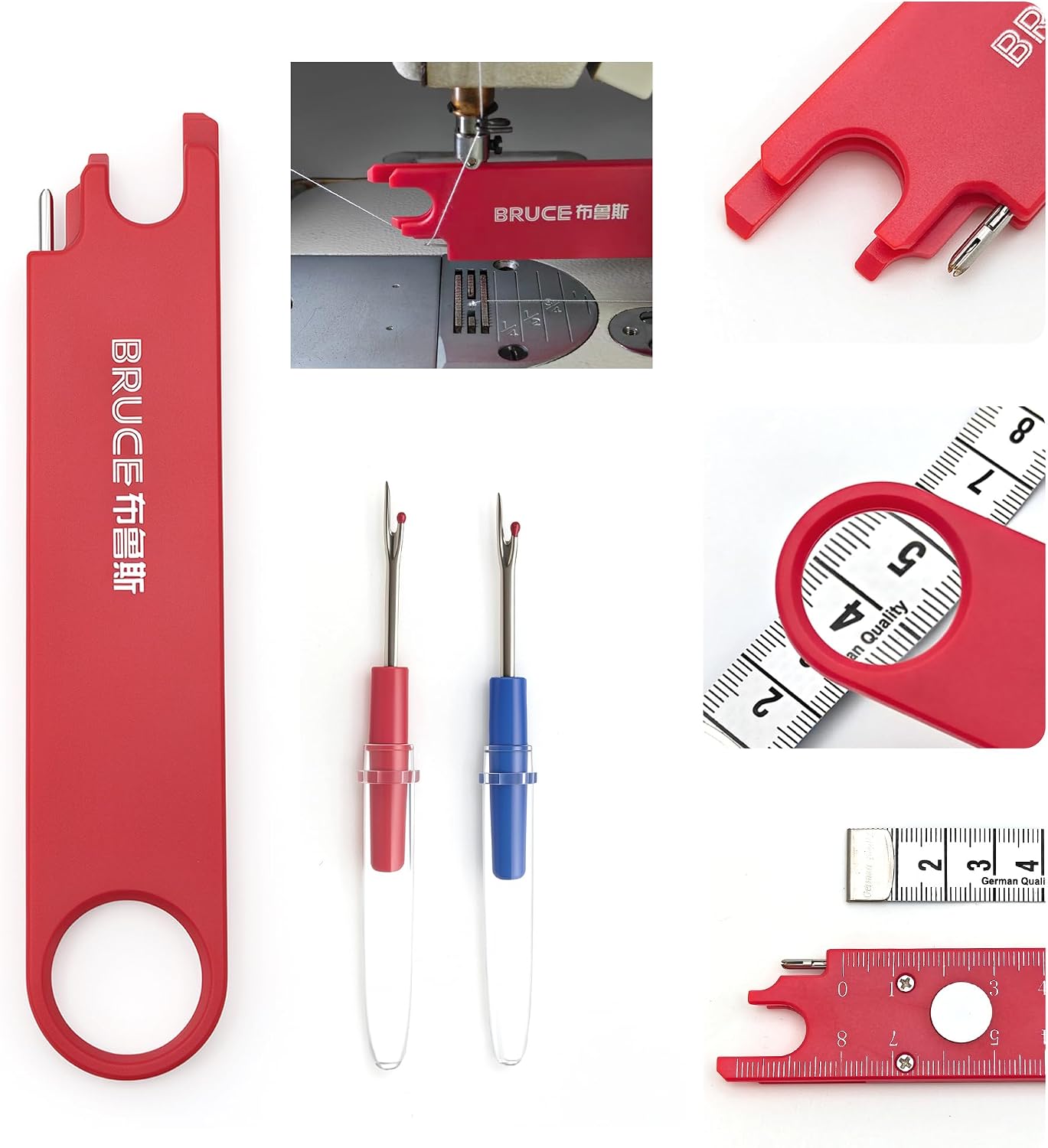
Bruce Sewing Machine Automatic Needle Threader with 2 Seam Rippers
Automatic threading plus two seam rippers, which covers the two chores beginners dread most
Automatic threaders are the first thing to fail on any machine, and this one has no backup plan when it does
Prices and availability were captured from Amazon Creators API and may change.
What a beginner setup actually needs
A sewing machine, first and always. Thread, bobbins that match the machine, a decent pair of shears, pins, and a seam ripper. That is the whole list for month one.
Notice what is not on it: a serger, a walking foot, a ruffler, a quilting extension table. Those are answers to problems you have not met yet. The trouble with buying tools in advance is that you spend your budget on guesses and then have nothing left for the machine that determines whether you enjoy sewing at all.
The other thing I tell every class: your first machine should make you want to sew tomorrow. That is the real specification. Not stitch count, not the number of presser feet in the box. If threading it makes you angry and the tension dial does nothing you can feel, it will sit in a closet by February.
That is the lens I use on everything below.
The Janome Arctic Crystal: the machine that does the sewing
This is the piece that actually makes garments. Everything in the product description points at the beginner who wants to sew clothes rather than decorate tea towels: an interior metal frame, a bobbin diagram printed where you can see it, tutorial videos, and a stated focus on garments, patchwork, and light quilting.
The interior metal frame matters more than it sounds. A frame that flexes under load is why cheap machines scream on thick fabric, and it is why a seam on denim and a seam on silk can feel like two different machines. A rigid frame does not guarantee a good stitch, but its absence almost guarantees a bad one at the exact moment you need the machine most.
The bobbin diagram and the tutorial videos are the two features I would defend hardest to a skeptical buyer. Half the "my machine is broken" posts on any sewing forum trace back to a bobbin that is wound wrong or seated wrong. Anything that removes that failure mode in week one is worth real money.
What the Arctic Crystal will not do is finish a seam for you. It sews a seam, and then you press it open and hope the fabric does not fray. On wovens, that is fine. On knits and anything prone to unraveling, you are going to want the next product.
Check current Amazon price for the Janome Arctic Crystal if you are starting from zero, because it is the one purchase here that has to be right.
The Singer S0230 serger: a second machine, not a first one
I want to be careful here, because serger talk turns into gatekeeping fast. A serger is not a better sewing machine. It is a different tool that does one job extremely well: it trims, stitches, and finishes an edge in a single pass, and it handles stretch fabric without the seam popping when the fabric moves.
The S0230 is described as a high speed overlock serger with 2-3-4 thread capability, which is the useful part of the spec sheet. Thread count is not about luxury. It is about what the machine can do: two threads for a rolled hem on a lightweight edge, three for a standard overlock on most wovens and knits, four for a stronger, wider seam that can carry more stress.
If you sew costumes, this is the machine that stops a raw edge from shedding across a dressing room floor. If you sew knit garments, it is the difference between a hem that survives a washing machine and one that does not.
The cost is not the price tag. The cost is that you still need your sewing machine, you now have two machines to thread, and serger threading is a genuinely different skill with more paths for the thread to take. I have watched confident sewers go quiet the first time they rethread an overlock. Budget an evening, watch a video, and do it once while you are calm.
Check current Amazon price for the Singer S0230 only after you know which of your projects actually need a finished edge.
The two needle threaders, compared honestly
Here is where I stop pretending these are machines. The Jack Quick 3-in-1 and the Bruce automatic threader with seam rippers are both small tools aimed at the same frustration: getting thread through an eye you cannot see clearly.
The Jack Quick is the value play. Three related tools in one package, and the job it does is the job you need done on a machine that does not thread itself. For most beginners on a budget, this is the sensible purchase. It is inexpensive, it does not pretend to be anything else, and if it lives in the drawer next to your bobbins, you will use it.
The Bruce kit bundles automatic threading with two seam rippers, which is a smart pairing because ripping out stitches is the most practiced skill in sewing and everyone needs a ripper that is actually sharp. If your eyes are the bottleneck, or if you are threading a needle for a hand-finishing step at the end of a long day, this is the version that removes more friction.
Now the part nobody selling these wants to hear. Automatic needle threaders break. The one built into your machine, the standalone one you bought, all of them. The mechanism is tiny, it depends on a hook finding a hole, and it lives in a drawer with pins and lint. The question is never whether it will fail. The question is whether you can live without it when it does.
My honest advice: buy the threader, enjoy it, and still learn to thread a needle by hand. Ten seconds of manual threading is the cheapest insurance you will ever buy, and it means a broken threader is an annoyance instead of a stopped project.
Check current Amazon price for the Jack Quick 3-in-1, and check current Amazon price for the Bruce automatic threader, then decide whether you want the budget tool or the convenience kit.
Where the money should go first
If you have a fixed budget and you are buying in order, this is the sequence I would follow.
The sewing machine comes first, and it gets the largest share of the money. The Janome Arctic Crystal is the only product in this comparison that lets you sew a garment from start to finish. A serger cannot hem a pair of pants. A threader cannot do anything at all without a machine under it.
A basic threading tool comes second, because it costs less than a tank of gas and it removes daily irritation. The Jack Quick covers that at the lowest cost. The Bruce kit covers it with a little more convenience and adds rippers you will use constantly.
The serger comes third, and it comes when a project demands it, not before. Buying a serger in month one means learning two threading paths at once while you are still learning how to read a pattern. That is how beginners quit.
Buttonholes, tension, and the tests that matter
Two things tell you more about a machine than any feature list.
Buttonholes first. A buttonhole requires the machine to move the fabric in a controlled rectangle while switching stitch direction, and it exposes weak feed dogs, sloppy timing, and a budget mechanism faster than anything else you can ask a machine to do. Before you commit to any machine, ask to sew a buttonhole on it. If a shop will not let you, that tells you something too.
Tension second. The tension dial is the control everyone touches and nobody understands, and balanced tension is the whole craft. When you test a machine, run the same straight stitch at two different lengths and watch whether the stitch looks the same on both sides of the fabric. A machine whose dial actually changes the stitch is a machine you can learn on. A machine whose dial spins uselessly is a machine that will fight you for years.
Neither test requires a stopwatch or a spreadsheet. They require five minutes at a machine before you hand over money.
What I tell my students
Buy the machine that matches the fabric you actually sew. If you are making garments from wovens and you want one purchase that gets you sewing this weekend, the Janome Arctic Crystal is the straightforward pick, and the Jack Quick threader is the cheap add-on that keeps your hands happy. If your sewing has moved into knits, stretch, and a lot of raw edges, that is when the Singer S0230 earns its place on the table, and the Bruce kit is the small luxury for the days your eyes are tired.
What I would not do is buy all four at once. A beginner sewing machine setup is not a collection. It is one machine, one problem solved, and then the next problem when it arrives. The sewers I know who stuck with it are the ones who bought slowly and sewed constantly, and who never let a broken threader end their evening.