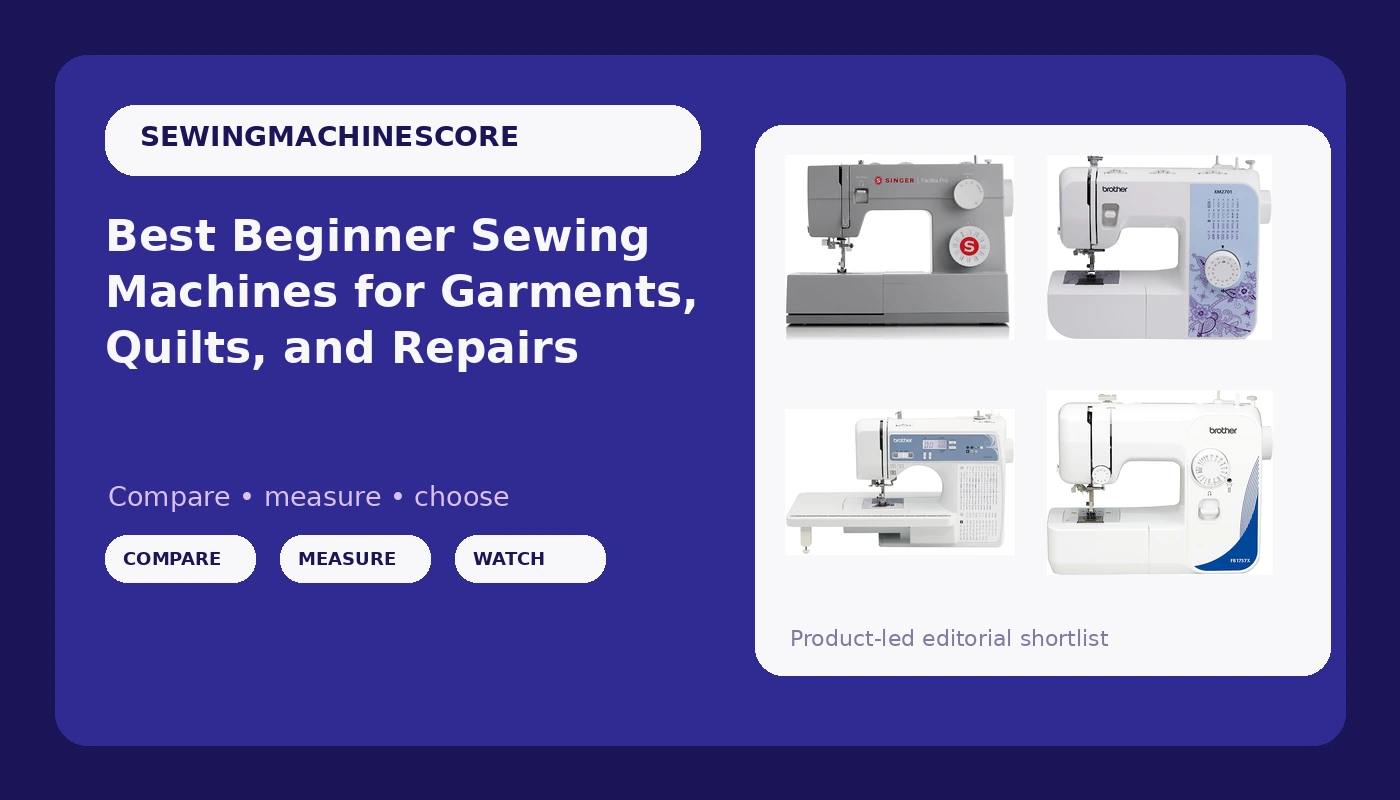
Most first sewing machines are bought with one project in mind: a costume, a set of curtains, a quilt for a baby shower, a pile of hem repairs. That single project is the most useful specification you have, and it matters more than any feature list on a box. This guide compares six machines a beginner can realistically learn on, from dial-controlled mechanical models to computerized machines with LCD screens, and it separates the differences that change how a machine sews from the ones that only change what ships in the carton. The aim is not to crown the model with the longest list of features. It is to point you toward the best beginner sewing machine for the fabric you actually plan to put under the needle.
Related: How to Choose Your First Sewing Machine
Quick answer
The Brother CS5055 Computerized Sewing Machine, 60 Built-in Stitches, LCD Display, Premium Thread 6-Pack, Water-Soluble Stabilizer and Sewing Machine Needles 5-Pack is the strongest fit for a first-time sewer setting up a workspace from scratch because it combines 60 built-in stitches and an LCD display with a starter bundle of thread, stabilizer, and needles. Choose SINGER® 4423 (Meltwater Blue) Heavy Duty Sewing Machine with Accessories instead when you expect to sew heavy fabric at speed and prefer a mechanical machine with no circuit board to fail.
Beginner sewing machines worth comparing
The six models below cover the two families a beginner will encounter: mechanical machines with dials and no screen, and computerized machines that select stitches electronically. Read the cards for what each one includes, then use the sections after the grid to match a machine to your fabric and your budget.
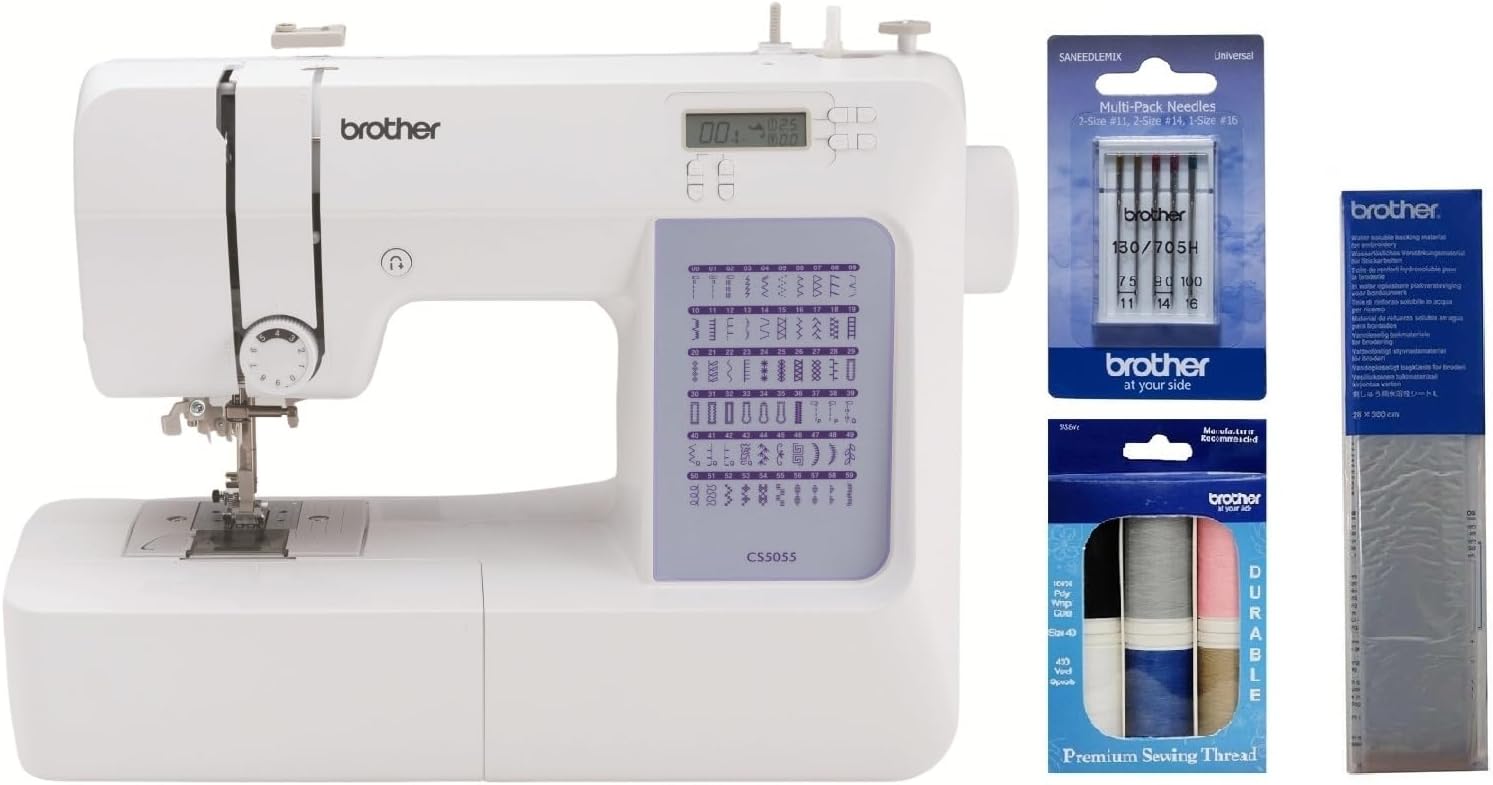
Brother CS5055 Computerized Sewing Machine, 60 Built-in Stitches, LCD Display, Premium Thread 6-Pack, Water-Soluble Stabilizer and Sewing Machine Needles 5-Pack
Computerized machine with 60 built-in stitches and an LCD display, bundled with a six-pack of premium thread, water-soluble stabilizer, and a five-pack of sewing machine needles.
Visit on Amazon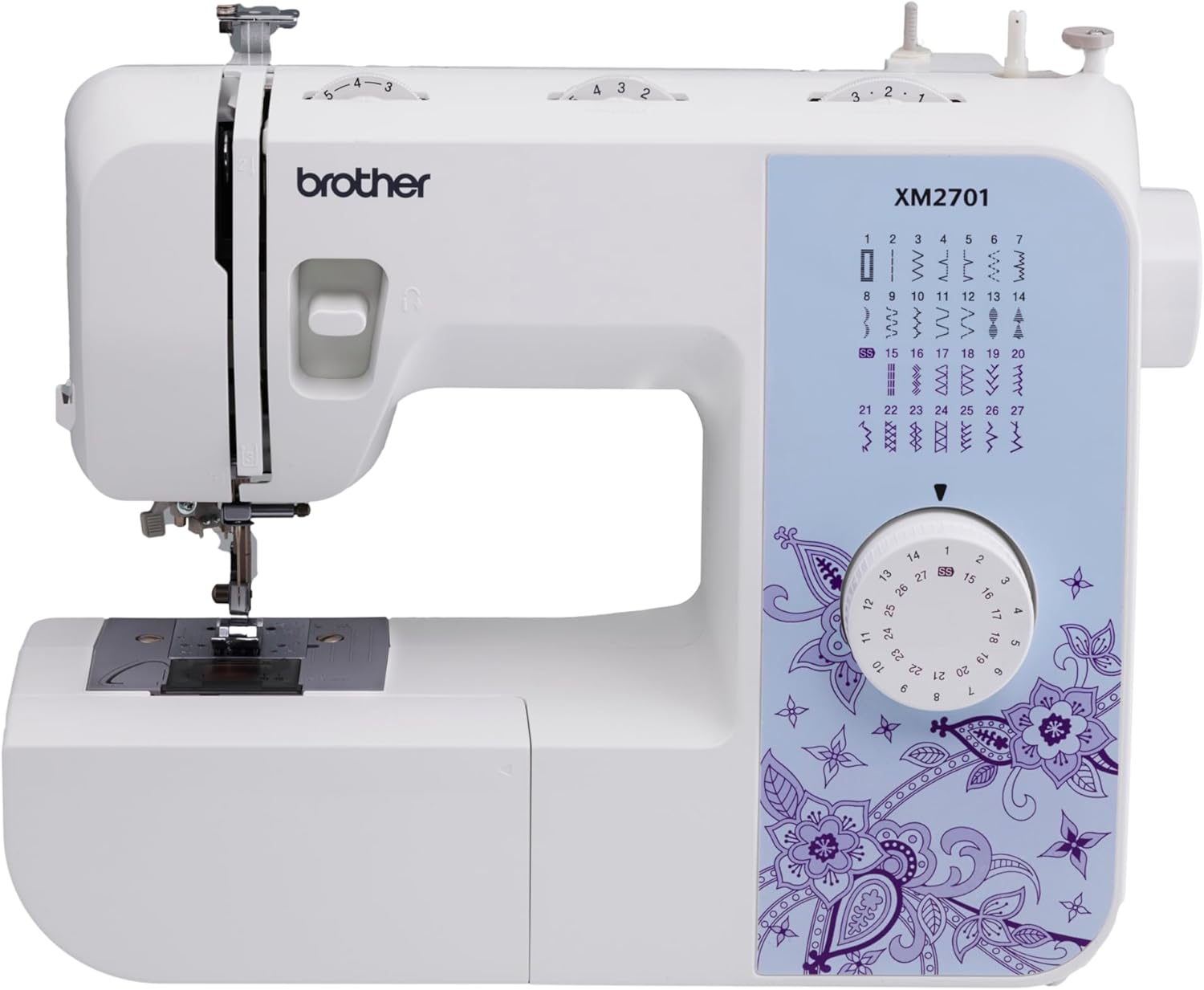
Brother Sewing Machine, XM2701, Portable Sewing Machine, 27 Stitches
Portable mechanical machine with 27 built-in stitches, positioned as a compact option for small workspaces and simple projects.
Visit on Amazon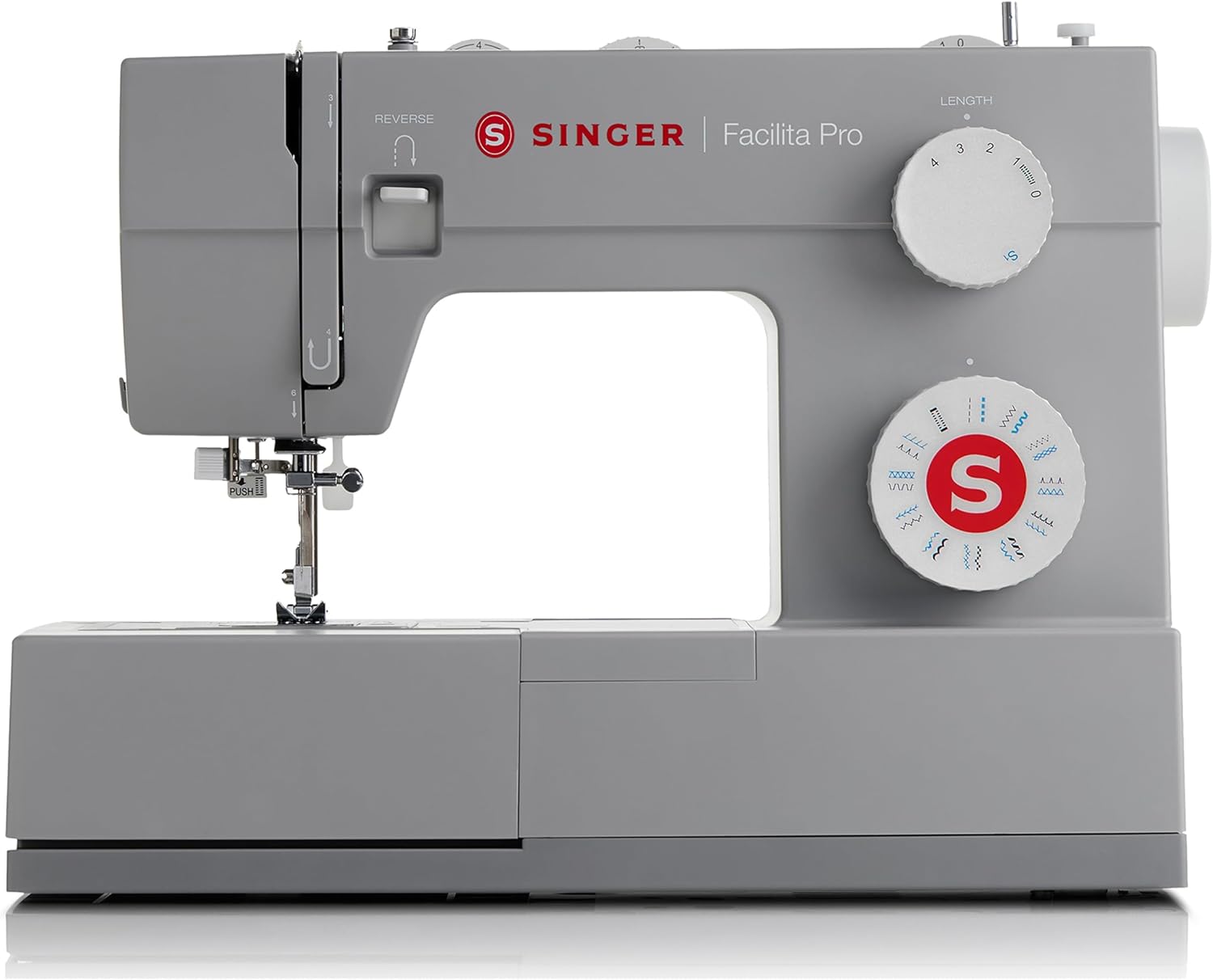
SINGER® 4423 (Grey) High Speed Heavy Duty Sewing Machine with Accessory Kit
High speed mechanical machine built for heavier fabric, sold as a package with an accessory kit.
Visit on Amazon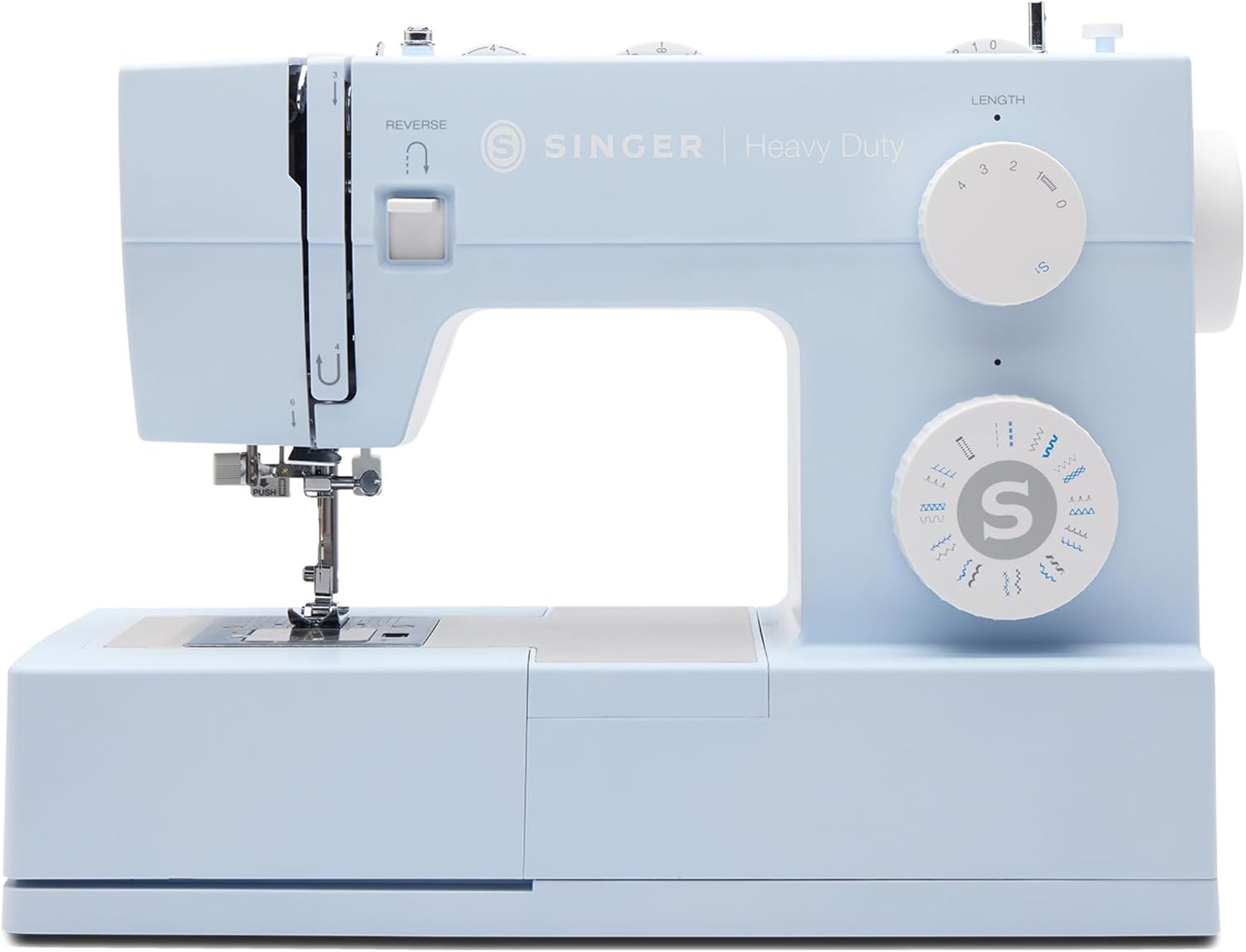
SINGER® 4423 (Meltwater Blue) Heavy Duty Sewing Machine with Accessories
The same 4423 high speed mechanical platform in a blue finish, bundled with accessories.
Visit on Amazon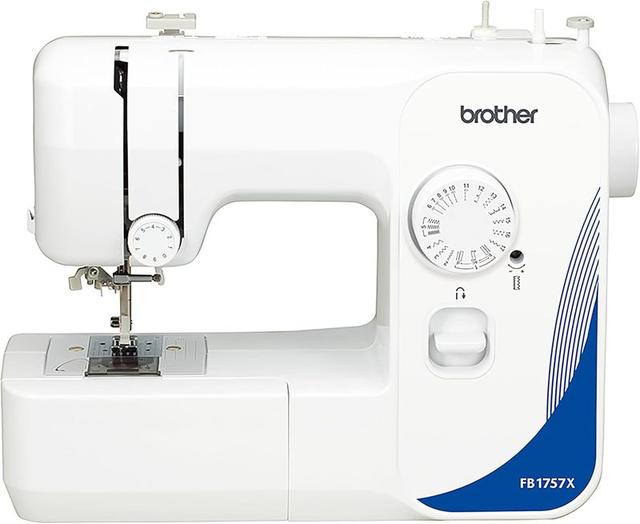
Brother FB1757X Mechanical Sewing Machine
Check current Amazon price
Mechanical machine with a dial-based control layout and no screen, aimed at sewers who want the simplest possible operation.
Visit on Amazon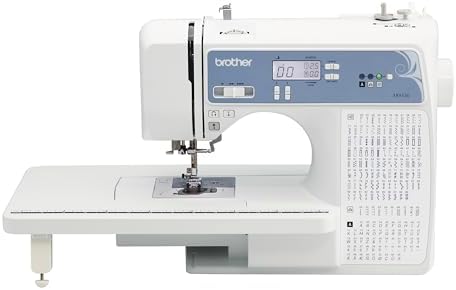
Brother XR9550 Computerized Sewing and Quilting Machine 165 Stitches
Computerized sewing and quilting machine with 165 built-in stitches, the widest stitch selection in this group.
Visit on AmazonPrices and availability may change. Check the retailer for current details.
How these products were compared
This guide compares machine type and control layout, built-in stitch count, what comes in the box, the fabric weights each model is built to handle, and how easily each machine can be serviced if something goes wrong. Product names, images, and retailer links are matched by product identifier so that every card points to the product shown. Nothing here is presented as a measured laboratory result; the differences described come from the published specifications of each model and from the kind of sewing each machine is designed for.
The comparison also weighs the electronics question, because it is the one decision a beginner cannot undo later. A mechanical machine with dials can be adjusted, cleaned, and kept running for years with basic care. A computerized machine adds stitch selection at the press of a button, but it also adds a circuit board, and board repair can cost a significant share of what the machine cost in the first place. That trade is worth thinking through before you buy, not after.
How to choose the right sewing machine
Start with the fabric. A machine that sews quilting cotton beautifully can still stall on a stack of denim seams, and a machine built for heavy fabric can leave marks and skipped stitches on lightweight silk or chiffon. If your list is costumes, curtains, and everyday garment sewing in midweight cotton and blends, a general-purpose machine in this group will handle it. If your list is denim repairs, canvas bags, or layered quilt sandwiches, weight and penetration matter more than stitch variety. And if your list is quilting specifically, look at the machines with the widest stitch selection and plan on adding a walking foot, because the accessory that keeps layers from shifting is the difference between a flat quilt and a puckered one.
Then decide between mechanical and computerized. Mechanical machines put every setting on a dial or a lever, which makes them easy to understand and easy to adjust in small increments when a seam pulls or puckers. Computerized machines move stitch selection to a screen and a button panel, which is faster when you are switching between a straight stitch, a zigzag, and a stretch stitch on the same project. Neither is automatically better. The honest test is whether the features you are paying for will show up in the sewing you do in the next year. A 165-stitch machine may use ten of those stitches on a regular basis, and that is fine, as long as you know that going in and are paying for the ones you will use.
One more thing worth checking before you commit: the presser feet and accessories included with the exact model you are buying. A buttonhole foot, a zipper foot, and a walking foot change what a machine can do far more than another twenty decorative stitches. If you are still deciding between machine types, sewing machine versus serger is a separate question with a separate answer, since the two tools do different jobs and are not substitutes for each other.
Brother CS5055 Computerized Sewing Machine, 60 Built-in Stitches, LCD Display, Premium Thread 6-Pack, Water-Soluble Stabilizer and Sewing Machine Needles 5-Pack
This is the top pick because it removes the two most common startup problems at once. The machine itself is computerized, with 60 built-in stitches selected through an LCD display, which means a beginner can move between utility stitches and decorative ones without rethreading or changing a cam. The bundle then covers the supplies that usually force a second shopping trip: a six-pack of premium thread, water-soluble stabilizer for techniques that need a temporary backing, and a five-pack of sewing machine needles in assorted sizes.
For a first machine, that combination is unusually practical. Thread and needles are consumables, not extras, and stabilizer is the supply beginners most often discover they need in the middle of a project rather than before it. The LCD display also makes stitch selection more forgiving than a dial, since you can see the stitch number and setting rather than counting clicks.
The trade-off is the electronics. Computerized machines depend on a circuit board, and if that board fails out of warranty, the repair bill can approach the cost of the machine. The bundled supplies also run out, so the value is front-loaded rather than permanent. And while this model handles everyday garment and craft sewing, it is not the machine to buy if your main goal is repeatedly sewing through heavy denim or multiple layers of canvas. For that kind of work, look at the heavy duty options below.
Alternatives to consider
The Brother Sewing Machine, XM2701, Portable Sewing Machine, 27 Stitches is better suited to a sewer who wants a compact, portable mechanical machine with a modest stitch selection, while the Brother XR9550 Computerized Sewing and Quilting Machine 165 Stitches is a stronger fit when quilting and stitch variety are the priority, since 165 built-in stitches give it the widest range here and its design targets quilting as well as general sewing.
The SINGER® 4423 (Grey) High Speed Heavy Duty Sewing Machine with Accessory Kit and the SINGER® 4423 (Meltwater Blue) Heavy Duty Sewing Machine with Accessories cover the heavy fabric and higher speed end of this list. They share the same 4423 mechanical platform, so the meaningful difference between them is the finish and what comes in each accessory bundle, not the sewing. Pick between them on the bundle contents and the color you want sitting on your table.
The Brother FB1757X Mechanical Sewing Machine covers the simplest option in the group. It is dial-controlled with no screen, which suits a sewer who wants fewer electronic parts to fail and does not need a large stitch library.
Day-to-day use and maintenance
Whatever you choose, most machine problems trace back to the same short list. Lint builds up under the needle plate and in the bobbin area, and a machine that skips stitches or sounds rough is often just dirty. Change the needle more often than feels necessary, and match it to the fabric: a sharp needle for wovens, a ballpoint for knits, a heavier size for denim. Use thread that matches the needle size, because a mismatched pair causes tension problems that no dial adjustment will fix. When you do adjust tension, move in small increments and test on a scrap of the same fabric you are sewing, since the correct setting on one project is rarely the correct setting on the next.
Keep the manual with the machine. It lists the lubrication points and the cleaning steps for your exact model, and those differ between mechanical and computerized designs. Unplug the machine before cleaning or changing the needle, keep your fingers clear of the needle path when the presser foot is down, and never push or pull fabric through the machine to speed it up. Forcing fabric bends needles, throws off timing, and turns a ten-minute repair into a service appointment.
Buying checklist
- Measure your table space and the clearance behind the machine for fabric to fall away as you sew.
- Choose built-in stitch count based on the stitches you will actually use rather than the largest number available.
- Confirm that the exact model includes the presser feet and accessories you need, such as a buttonhole foot, zipper foot, or walking foot.
- Read the cleaning and maintenance instructions for your specific model before the first project.
- Verify the current retailer price, availability, and return terms before you buy.
Final recommendation
Choose the Brother CS5055 Computerized Sewing Machine, 60 Built-in Stitches, LCD Display, Premium Thread 6-Pack, Water-Soluble Stabilizer and Sewing Machine Needles 5-Pack when you are setting up a first sewing space and want a computerized machine with a broad stitch selection plus the thread, needles, and stabilizer to start work immediately. Choose SINGER® 4423 (Meltwater Blue) Heavy Duty Sewing Machine with Accessories when your projects lean toward heavier fabric and higher speeds, and you would rather have a mechanical machine with no circuit board to replace. If portability or the simplest possible control layout matters most, the Brother Sewing Machine, XM2701, Portable Sewing Machine, 27 Stitches and the Brother FB1757X Mechanical Sewing Machine are the two models in this group built around that priority.