Shopping for a machine is confusing in a specific way. Sewing machines, quilting machines, and sergers are sold side by side, and the spec sheets make them look interchangeable. They are not. A serger cannot replace a sewing machine, and a 185-stitch computerized model is not automatically a better purchase than a 37-stitch one. What separates these machines is the job each one is built for and the accessories that actually arrive in the box.
This guide covers six sewing and quilting machines and sergers, from a budget Brother to a Janome that ships with a bonus quilt kit, and explains which one fits which kind of sewing. Nothing here pretends to be a seam test on your fabric. What follows is built from what each model is: its type, its built-in stitch count, the accessories included, and the tier it is positioned in for a home sewer. Prices move constantly, so every card links out to the retailer instead of quoting a number that will be stale by the weekend.
Related: How to Test Tension Before You Buy a Sewing Machine
Quick answer
The Janome 3160QDC-G Sewing and Quilting Machine with Bonus Quilt Kit! is the strongest fit for sewers who want one machine for garment seams and quilt piecing because it is built and sold for both jobs and includes a bonus quilt kit in the box. Choose the Brother XM3700 Sewing Machine 37 Built-in Stitches instead when the budget is the deciding factor and 37 stitches covers the sewing you actually do.
Sewing machines and sergers worth comparing
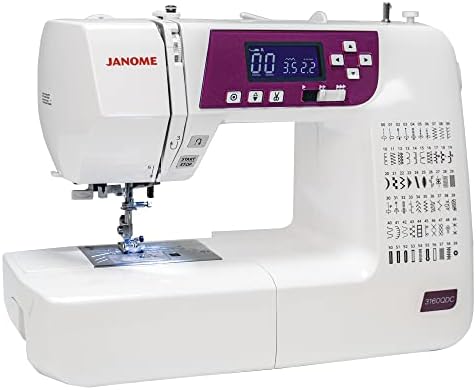
Janome 3160QDC-G Sewing and Quilting Machine with Bonus Quilt Kit!
A sewing and quilting machine that ships with a bonus quilt kit, positioned for quilters who also sew garments rather than for one job alone.
Visit on Amazon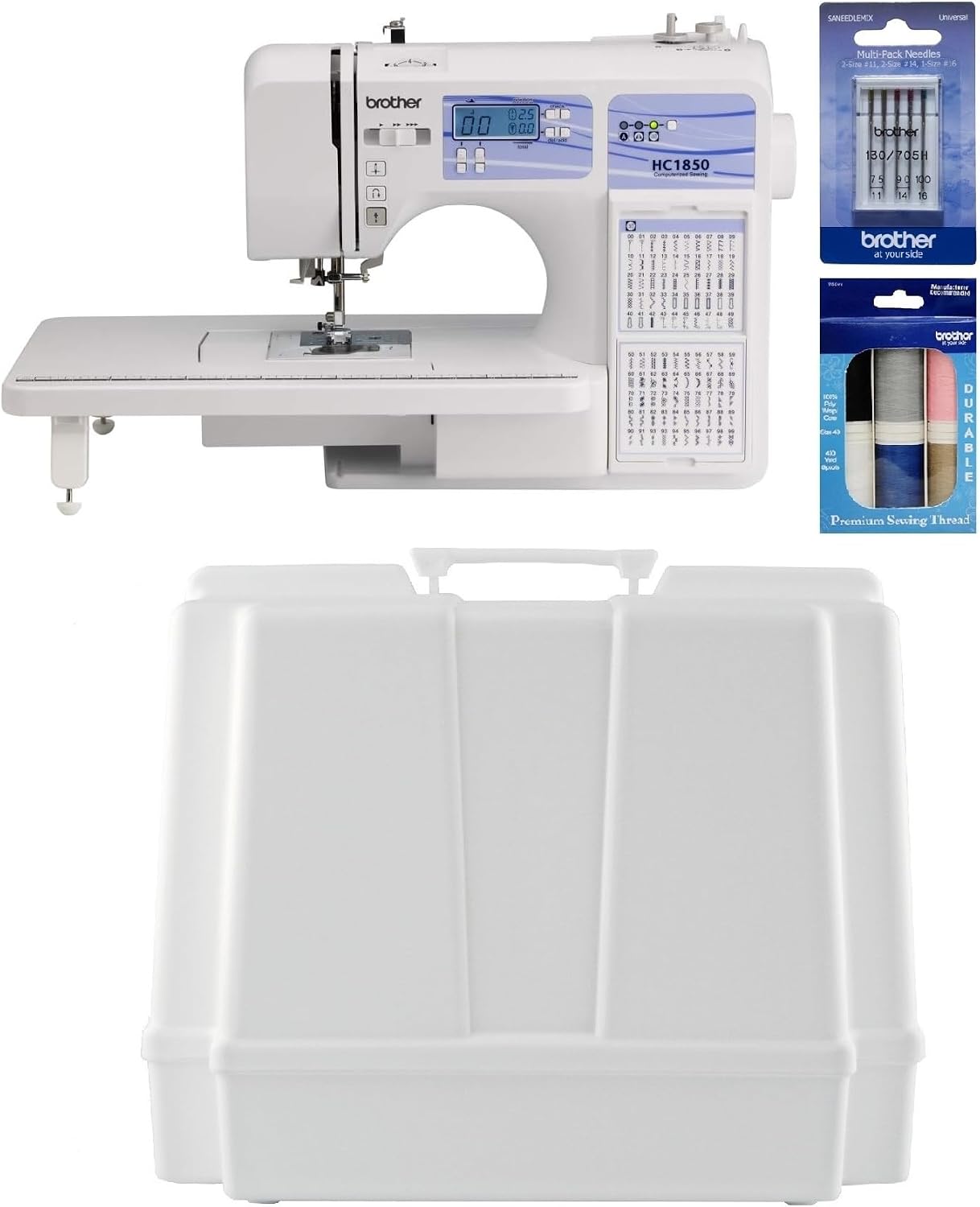
Brother HC1850 Sewing and Quilting Machine, 185 Built-in Stitches, LCD Display, Hard Plastic Storage and Carry Case, Premium Thread 6-Pack and 5-Piece Sewing Machine Needles
The largest stitch selection in this group, with 185 built-in stitches, an LCD display, a hard plastic storage and carry case, a premium thread six-pack, and a five-piece needle set included.
Visit on Amazon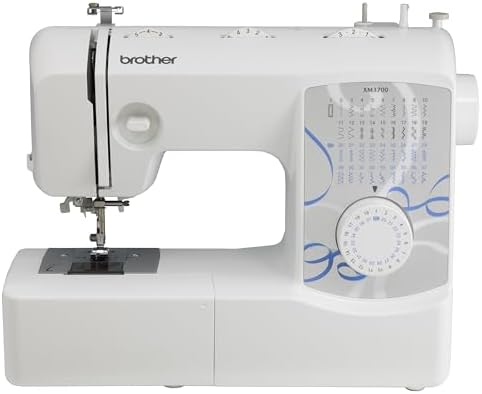
Brother XM3700 Sewing Machine 37 Built-in Stitches
A straightforward machine with 37 built-in stitches, aimed at new sewers, mending, and basic garment work.
Visit on Amazon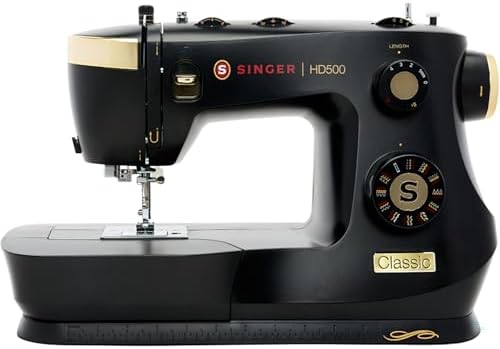
SINGER® Heavy Duty 500 Classic High Speed Sewing Machine + Accessory Kit
A high speed mechanical sewing machine that arrives with an accessory kit, for sewers who want a simple control layout and speed over stitch variety.
Visit on Amazon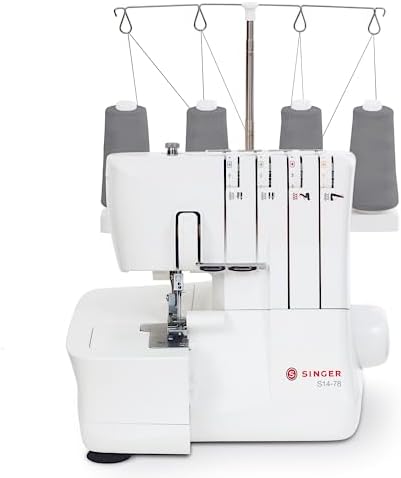
SINGER® S14-78 Serger Overlock Machine, 2-3-4 Stitch Capability, White
A 2, 3, and 4 stitch overlock serger for finishing seam edges, trimming seam allowances, and working with knits.
Visit on Amazon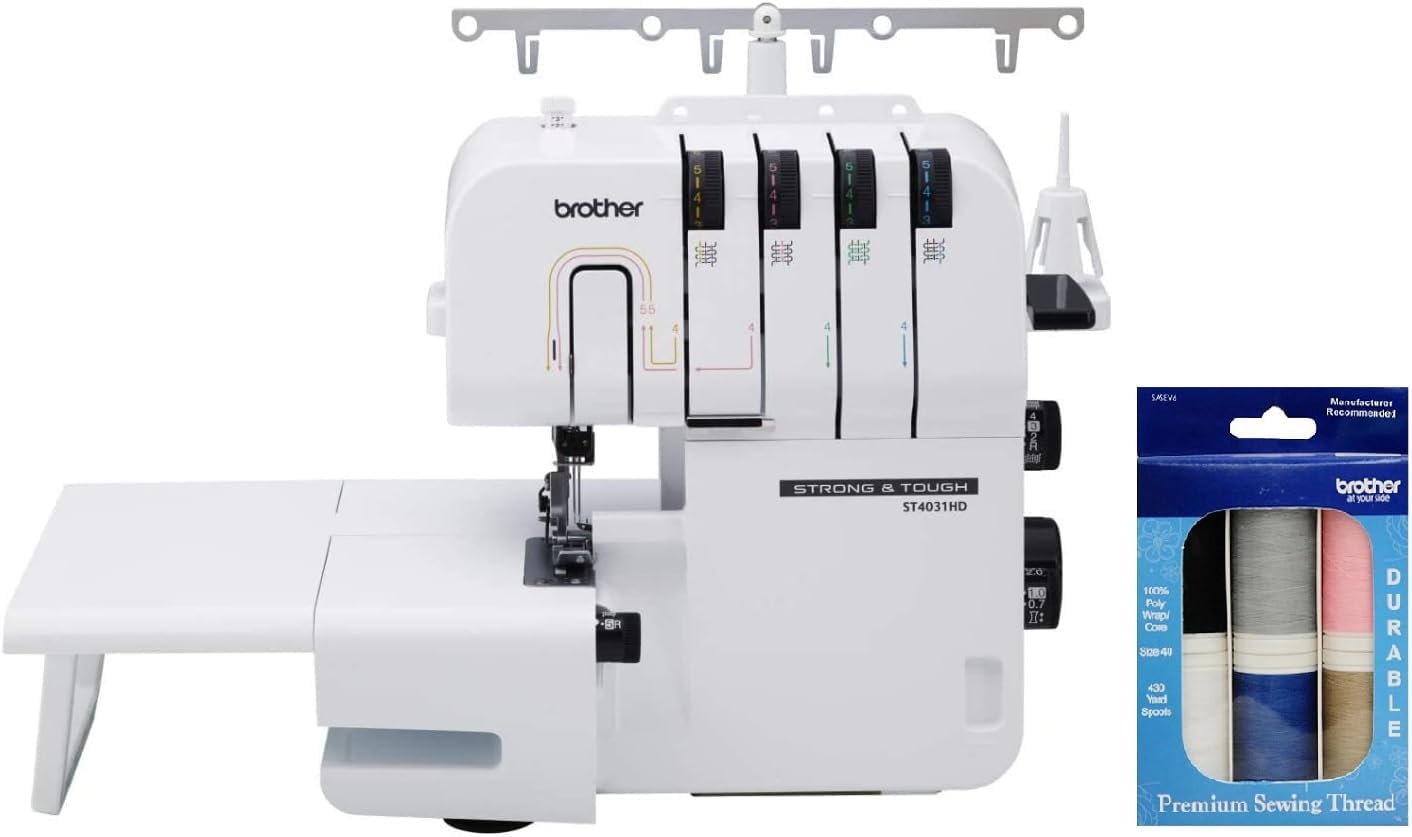
Brother ST4031HD Strong & Tough Serger Machine, 1,300 Stitches Per Minute, Premium Sewing Thread 6-Pack Included
Check current Amazon price
A serger rated at 1,300 stitches per minute, with a premium sewing thread six-pack included in the box.
Visit on AmazonPrices and availability may change. Check the retailer for current details.
How these products were compared
This guide compares machine type (conventional sewing and quilting machine versus overlock serger), built-in stitch count, the accessories included with each model such as presser feet, thread, needles, cases, and kits, the speed class a model is rated for, and the tier each machine is positioned in for a home sewer. Product names, images, and retailer links are matched to the same product record so that every card points to the product shown.
Two limits are worth stating plainly. No current price appears anywhere in this article, because prices and availability change; use the card link to confirm what the retailer is charging today. And a spec sheet is not a seam test. Stitch count, speed rating, and accessory lists are facts about what ships in the box, not evidence of how a machine handles denim, satin, or a four-layer quilt sandwich. Where this guide offers an opinion, it is about which kind of sewer a machine is aimed at, not a stitch quality claim nobody measured.
That distinction matters more than it sounds. A machine can list 185 built-in stitches and still be the wrong purchase if you only ever sew straight seams and buttonholes. A serger can be rated at 1,300 stitches per minute and still be useless to you if you do not own a conventional machine to make the seams in the first place. The comparison below is about fit, not about crowning a winner on paper.
How to choose the right sewing machine
The first decision is not brand or stitch count. It is whether you need a sewing machine or a serger, because they do different jobs and neither replaces the other. A sewing machine makes the seam: straight stitch, zigzag, buttonholes, topstitching, the whole structural layer of a garment. A serger trims the seam allowance, overcasts the raw edge, and sews it in one pass, which is why the SINGER S14-78 and the Brother ST4031HD appear here alongside four conventional machines. If you sew knits, or garments in fabric that frays aggressively, a serger earns its table space. If you are buying your only machine, buy a sewing machine first and add a serger later.
The second decision is how many stitches you need against how much machine you want to pay for. The Brother XM3700's 37 built-in stitches and the Brother HC1850's 185 built-in stitches are the two ends of this list, and the gap between them is mostly decorative. Most sewers use a straight stitch, a zigzag, a stretch stitch, and a buttonhole, and everything past that is an option you either enjoy or ignore. Stitch count is a convenience measurement, not a quality measurement, and treating it as a ranking is how people end up paying for functions they never touch.
The third decision is fabric, and it should probably be the first. Quilting cottons, denim, knits, and costume fabrics like satin, tulle, and faux fur behave differently at the needle, and the machine you pick should be chosen for the majority of your projects rather than the one ambitious thing you plan to make someday. A quilting-oriented machine with a bonus quilt kit suits piecing. A high speed mechanical machine like the SINGER Heavy Duty 500 Classic is aimed at people who want speed and a simple control layout. A 37-stitch beginner machine is aimed at someone who wants to finish a project this month and still want to sew next month.
Buttonholes are worth a mention because they expose more about a machine's control layout than any stitch count does. On a mechanical machine, buttonhole quality comes down to your technique and the machine's feed. On a computerized machine with an LCD display, the machine steps through the sequence for you. Neither is automatically better, but if you sew garments with button plackets, the buttonhole function deserves more of your attention than the decorative stitches above it on the list. If you are new to this, How to Test Tension Before You Buy a Sewing Machine walks through what to look at before you commit.
Janome 3160QDC-G Sewing and Quilting Machine with Bonus Quilt Kit!
The top pick is the Janome 3160QDC-G, a sewing and quilting machine that arrives with a bonus quilt kit. It sits in the middle of this group in both role and positioning: more specialized than the two budget Brothers, built for a sewer who wants one machine to cover garment seams and quilt piecing rather than one job alone, and paired with the accessories that support that dual purpose out of the box.
The trade-off is straightforward. If you never piece a quilt, part of what you are paying for is a quilt kit and a quilting orientation you may not use, and the Brother XM3700 or the Brother HC1850 covers plain garment work and mending without it. If you sew almost exclusively knits and want finished seam edges, neither the Janome nor any other conventional machine here does what the two sergers do, and the honest answer is that you need both tools rather than a better single machine.
Alternatives to consider
The Brother HC1850 Sewing and Quilting Machine is better suited to sewers who want the largest stitch selection in this group and a machine that travels, since it includes an LCD display, a hard plastic storage and carry case, a premium thread six-pack, and a five-piece needle set. The Brother XM3700 Sewing Machine is a stronger fit when you want a simple, low-commitment machine with 37 built-in stitches for learning, mending, and basic garment work.
The SINGER Heavy Duty 500 Classic High Speed Sewing Machine suits sewers who want a fast mechanical machine with an accessory kit and a control panel that does not require a manual. The SINGER S14-78 Serger covers 2, 3, and 4 stitch overlock work in white, and the Brother ST4031HD Strong & Tough Serger covers the same category at a 1,300 stitch per minute rating with a premium thread six-pack included. Both sergers are second machines, not first ones, and they should be evaluated as additions rather than replacements.
Day-to-day use and maintenance
Sewing machines in this group are home machines, and home machines reward a small amount of routine care. Change the needle when it dulls or when you switch fabric weight, because a worn needle causes more skipped stitches than any tension setting you can turn. Clean the bobbin area of lint after a long session, since lint buildup sits behind a large share of the "my machine is broken" problems people run into. Use the correct bobbin class for your model, keep the machine covered when it is not in use, and follow the manual's oiling schedule if the model calls for oil at all.
Sergers need more attention than conventional machines. They carry multiple threads and a cutting blade, so threading order matters, and the machine should be unplugged when you are working near the needle or blade area. If you are setting up a serger for the first time, budget an evening for threading practice before you judge the machine, and keep the tweezers and a small brush with it rather than in a drawer across the room.
For computerized models, the LCD display and stitch selection electronics are the parts most likely to need service over a long life. That is not a reason to avoid them, but it is a reason to keep the manual, register the machine, and confirm the warranty terms before you buy. Accessories wear out faster than machines do: presser feet get lost, thread runs out, and needles are consumables. Buying a model that includes an accessory kit, a thread pack, or a quilt kit up front saves a series of small purchases later.
Buying checklist
- Measure your table space, since a serger plus a sewing machine takes more room than either one alone.
- Choose a machine type based on your normal sewing rather than an occasional project: conventional machine, quilting machine, or serger.
- Decide whether 37 built-in stitches or 185 built-in stitches reflects what you will actually use.
- Confirm that the exact model includes the accessories you want, such as a carry case, an accessory kit, or a quilt kit.
- Read the cleaning and maintenance instructions, particularly for the bobbin area and the serger blade.
- Verify the current retailer price, availability, and return terms through the card link before ordering.
Final recommendation
Choose the Janome 3160QDC-G Sewing and Quilting Machine with Bonus Quilt Kit! when you want one machine for garment sewing and quilt piecing and the bonus quilt kit is genuinely useful to you. Choose the Brother XM3700 Sewing Machine 37 Built-in Stitches when budget and simplicity matter more than stitch selection, or the Brother HC1850 when you want the widest stitch range and a machine that travels. If your work is mostly knits and finished seam edges, add a serger rather than replacing your sewing machine: the SINGER S14-78 for 2, 3, and 4 stitch overlock capability, or the Brother ST4031HD for a higher speed rating and the included thread pack.