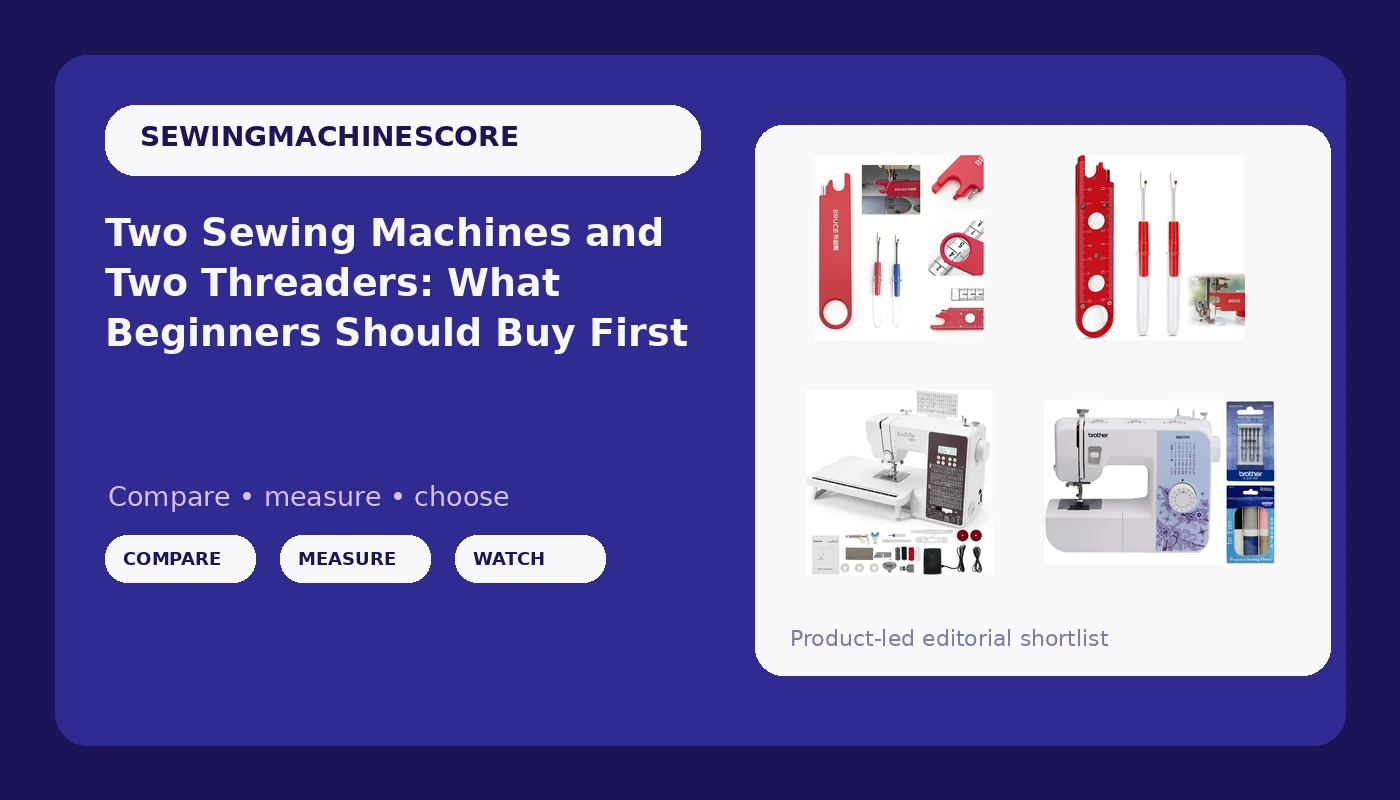
I have taught beginner sewing classes in Portland for years, and the same scene plays out in the first session. A student arrives with a machine carrying a 300-stitch menu and a thread path they cannot follow, and we spend an hour rethreading instead of sewing a seam. A beginner sewing machine setup is not one purchase. It is a machine plus the two or three small tools that keep it threaded, keep the seam allowance honest, and keep you from quitting in week three. That is why this comparison puts two machines and two needle threaders in the same frame. They belong to the same decision.
The best beginner sewing machine setup for most people is the Brother XM2701 with a threader and a seam ripper in the drawer, because 27 stitches you will actually use beat 300 stitches you will never touch. That is the short version. The longer version is about who the bigger machine is really for, why two threaders that look nearly identical are not the same purchase, and how the fabric you sew should make the call for you.
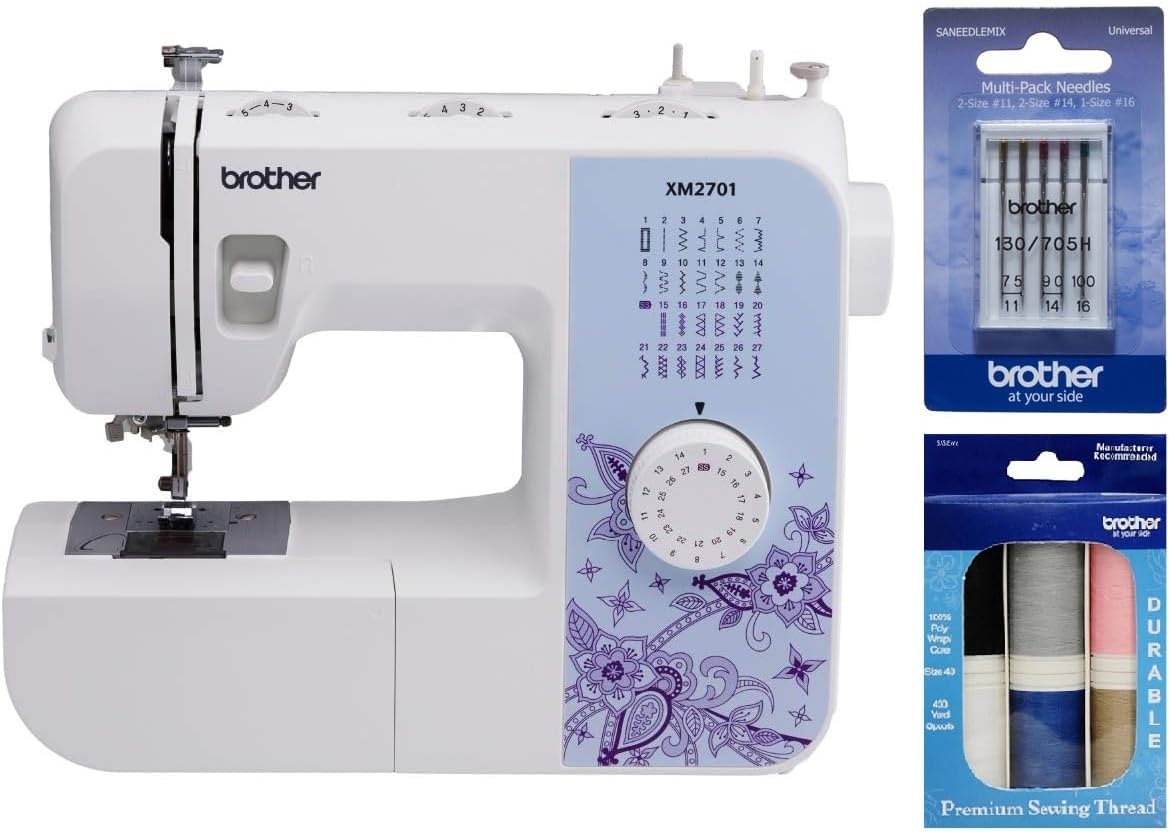
Brother XM2701 27-Stitch Sewing Machine, Premium Thread 6-Pack and 5-Piece Sewing Machine Needles
27 stitches cover garment work, mending, and simple quilting, and the box includes thread and needles so you can start the same day
Mechanical dials mean you set stitch width and length yourself, with no one-touch stitch selection
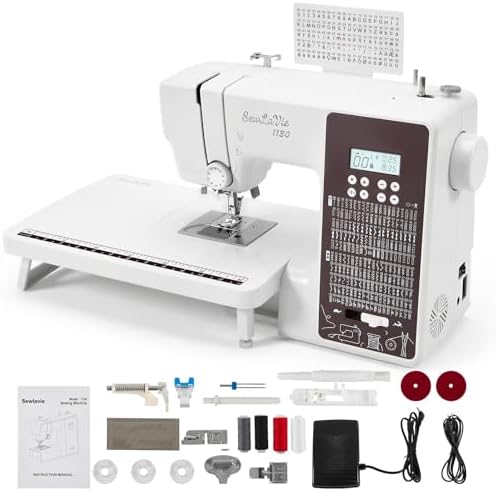
1130 Computerized Sewing and Quilting Machine with 300 Stitches
300 stitches and a computerized panel for quilters and decorative sewers who want options without swapping anything
A 300-stitch menu is a lot of menu for a garment sewer, and electronics add a failure point that costs real money to repair
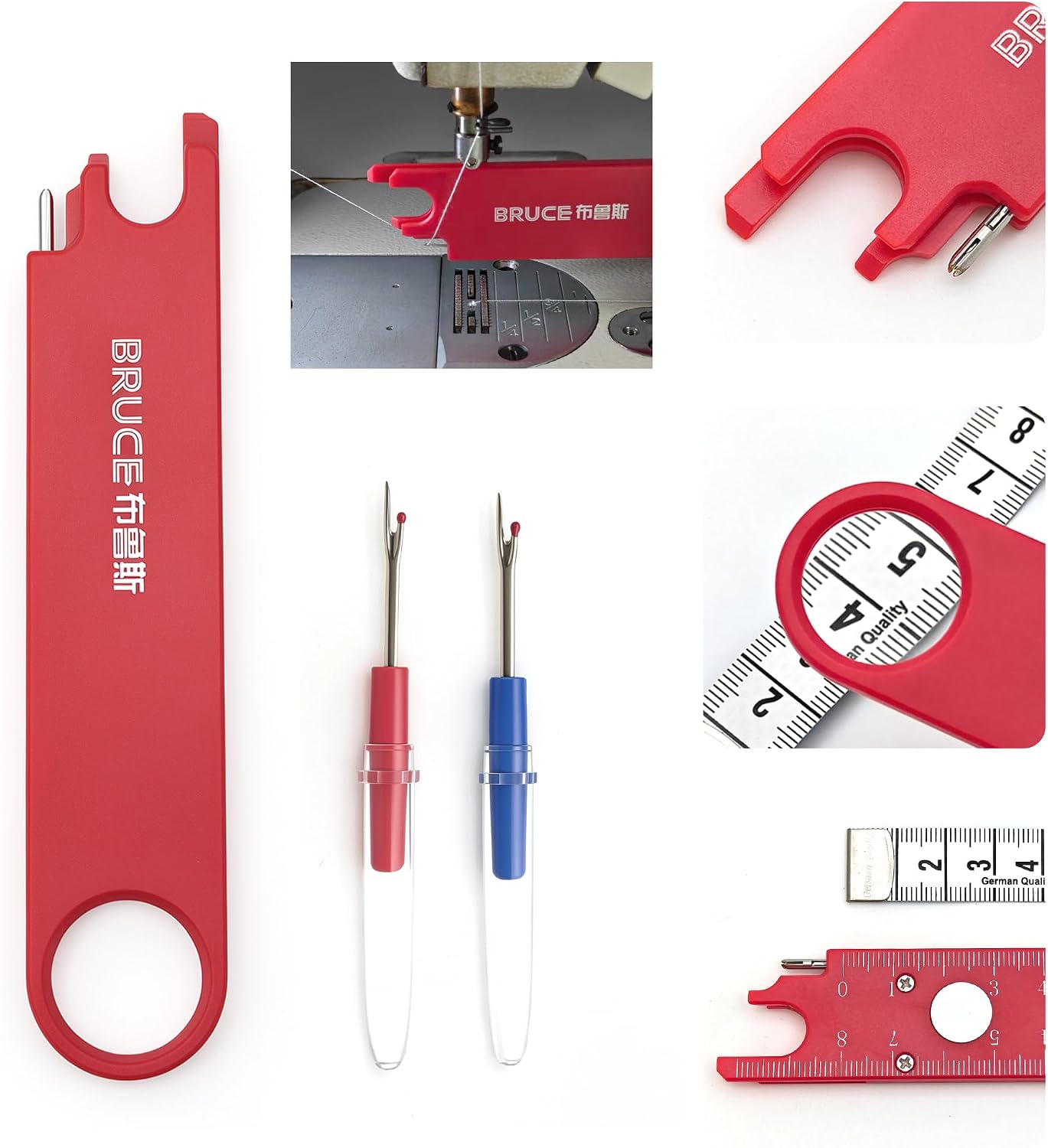
Bruce Sewing Machine Automatic Needle Threader with 2 Seam Rippers
Automatic threading plus two seam rippers in one simple tool, with fewer moving parts to bend
Threader mechanisms are the first thing to fail on any machine or tool, so plan for the day it stops
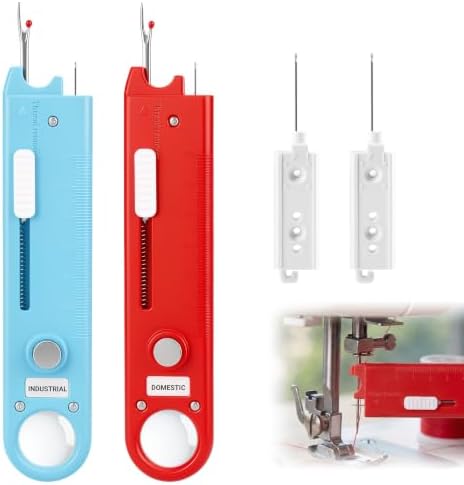
Sewing Machine Needle Threader, 4 in 1 Automatic Quick Threading Tool, Multifunctional Stitch Insertion Seam Guide with 2 Pcs Seam Rippers for Quilting Alterations Tailoring(Red)
Threading, a stitch insertion seam guide, and two rippers in a single kit, which is the most useful combination for quilting and alterations
More parts means more hinges and hooks, and a multifunction tool has more places for something to bend
Prices and availability were captured from Amazon Creators API and may change.
What each of these four things actually does
Two of the four products are sewing machines and two are hand tools, and I want to be blunt about that before the table does any persuading. A machine decides your stitch quality, your tension behavior, and your buttonholes. A threader decides whether you sit down and sew or stand there squinting at an eye you cannot see. Treating them as the same category of purchase is how beginners end up with a fine machine and a drawer full of broken plastic.
The Brother XM2701 arrives as a 27-stitch machine with a six-pack of premium thread and a five-piece needle set in the box. The 1130 is a computerized sewing and quilting machine with 300 stitches. The Bruce tool is an automatic needle threader with two seam rippers. The 4-in-1 tool adds a stitch insertion seam guide and its own pair of seam rippers. Four products, two jobs: sew the seam, and get the thread through the eye.
The 27-stitch machine and the 300-stitch machine
Stitch count is the most marketed number in sewing and the least useful one. I have said this for years and I will keep saying it: a 100-stitch machine uses about 10 of those stitches, and the other 90 exist to fill a brochure. What matters is whether the straight stitch is clean, whether the tension dial does something predictable across a seam, and whether the buttonhole comes out even on the first try.
That framing makes the Brother XM2701 the easier recommendation for a beginner. Twenty-seven stitches is a complete garment vocabulary: straight stitch, zigzag, a stretch stitch, a blind hem, and enough decorative options to keep a kid interested in a costume project. It is also a mechanical machine, which means the controls are dials you turn and see. There is no menu to learn, no screen to misread, and nothing to reset when you turn it on. For someone who wants to sew tomorrow, that is the whole spec. Visit on Amazon →
The 1130 is aimed at a different table. Computerized sewing and quilting with 300 stitches means the machine is built for someone who wants decorative stitches, quilting stitches, and utility stitches available without swapping anything, and who prefers selecting them from a panel to turning a dial. If you quilt, or if you sew garments with a lot of decorative detail, that menu is not bloat. It is the feature you are paying for. If you are sewing Halloween costumes for a school of 400 kids, most of that menu will sit unused while you run straight seams at speed. Visit on Amazon →
The trade-off worth naming out loud is electronics. A computerized machine is wonderful until the board dies, and then the repair bill can approach half of what the machine cost. A mechanical machine has fewer ways to fail and usually fails in ways you can see. Neither approach is wrong. They are different risks, and you should pick the risk you would rather carry.
The two threaders, and why the simpler one is not automatically the pick
I have a standing rule about automatic needle threaders, and it comes from watching them fail: the question is not whether the threader breaks, it is whether you can live without it when it does. Both of these tools are built around the same job, getting thread through the needle eye, and both include two seam rippers, which tells you the manufacturer knows exactly what happens next. You will frog stitches. Having a ripper within arm's reach is the difference between fixing a seam and abandoning a project.
The Bruce tool is the simpler of the two: automatic needle threader, two seam rippers, done. If your machine already has a built-in threader and you only want a backup plus rippers, that is a clean purchase with fewer moving parts to break. Visit on Amazon →
The 4-in-1 tool is the more ambitious kit. Alongside the quick threading function and the two seam rippers, it includes a stitch insertion seam guide, which is the piece I would actually use. A seam guide is a small thing that changes how straight your seam allowances are, and it matters most for quilting, alterations, and tailoring, which is exactly the list in the product's own description. The catch is the catch that follows any multifunction tool: more parts means more hinges, more hooks, and more places for something to bend. If you want one object in the drawer that does four things, that is the trade you are accepting. Visit on Amazon →
Both of these are accessory tools, and either one costs a fraction of either machine. That is worth remembering when you are deciding whether to add one. The tool is not the budget problem. The machine is.
What I actually look at before I recommend a machine
Four checks, in this order. First, can the straight stitch handle more than one kind of fabric without sounding like it is in pain? Second, does the tension dial mean something, or does the machine fight you every time you move it a quarter turn? Third, what does the buttonhole look like? A buttonhole tells you more about a machine's brain than the stitch menu ever will. Fourth, would I trust it on a paid costume? If the answer is no, it is a hobby machine, and it should be priced like one.
Notice that stitch count appears nowhere on that list. Notice also that "heavy duty" appears nowhere on that list. Every plastic-bodied machine with that phrase stamped on the front is a machine I have watched skip stitches on denim.
Tension and bobbins: the unglamorous half of the decision
Half of the posts in every sewing forum on the internet are really the same post: my machine is broken, and it is not broken, the bobbin is wound unevenly or the top tension is fighting the bottom tension. This is the part of machine ownership no brochure photographs.
A tension dial that responds predictably is worth more than fifty extra stitches. When you turn it a quarter turn, the stitch should change in a way you can describe. When you move from cotton to a knit, you should be able to rebalance without guessing. Machines that ignore the dial are machines that make you rethread, re-wind, and re-test every single project, and beginners read that as their own failure rather than the machine's.
Bobbin winding is the other quiet spec. A machine that winds a smooth, even bobbin saves you from the most common tension problem before it starts. When you are comparing these two machines, put an empty bobbin on each and watch how the thread lays down. It takes two minutes and it tells you more than the stitch chart.
The buttonhole test
If I could only run one test on a machine before recommending it, it would be the buttonhole. Buttonholes require the machine to move the fabric in four directions, reverse precisely, and hold a consistent width. A machine that makes an even buttonhole on the first try has its feed dogs, timing, and tension all working together. A machine that makes a ragged one is telling you where it cut corners.
This is why I tell students to sew a buttonhole before they fall in love with a stitch menu. Twenty-seven honest stitches with a clean buttonhole will out-sew 300 stitches with a ragged one, every time.
Where the fabric decides for you
Buy for the fabric you actually sew, not the fabric you imagine sewing. If your projects are cotton, linen, and the occasional flannel, the Brother XM2701 covers you and does it with fewer things to go wrong. If your projects are quilts with layered batting, or garments with decorative stitching, the 1130's 300-stitch menu and computerized control start earning their place.
The mistake I see most often is a garment sewer buying a quilting machine because the stitch count looked impressive, then getting frustrated by a machine tuned for layers and straight-line work. The reverse mistake is just as common and just as expensive. A quilter who buys a light mechanical machine and then asks it to push a quilt sandwich through the throat is going to have a bad month.
The threader decision, in one line
If your machine threads easily and you just want rippers in the drawer, the Bruce tool is the simple answer. If you want threading, a seam guide, and rippers in a single kit because you quilt or alter clothes, the 4-in-1 tool is the one that earns its place. Either way, keep a ripper out of the package and next to the machine. Frogging is the most practiced skill in this hobby, and pretending otherwise does not help anyone.
So which setup should you buy
For most beginners, the Brother XM2701 plus a threader is the setup I would hand a student on day one. The machine comes with thread and needles, the stitch menu is honest, and there is nothing between you and a finished seam except practice. Add the 4-in-1 tool if you plan to quilt or do alterations, and the Bruce tool if you simply want a spare threader and rippers.
Choose the 1130 if you are already past the beginner stage, if quilting is the plan, or if a 300-stitch menu is a feature you will genuinely use rather than a number you will brag about. It is a serious machine for a serious table.
Whichever machine you pick, buy the small tools with it. A threader and a seam ripper cost almost nothing next to a machine, and they are the two objects you will touch most in the first year. That is not a marketing line. That is what the drawer next to my machine actually looks like.