Sewing Machine Buying Mistakes
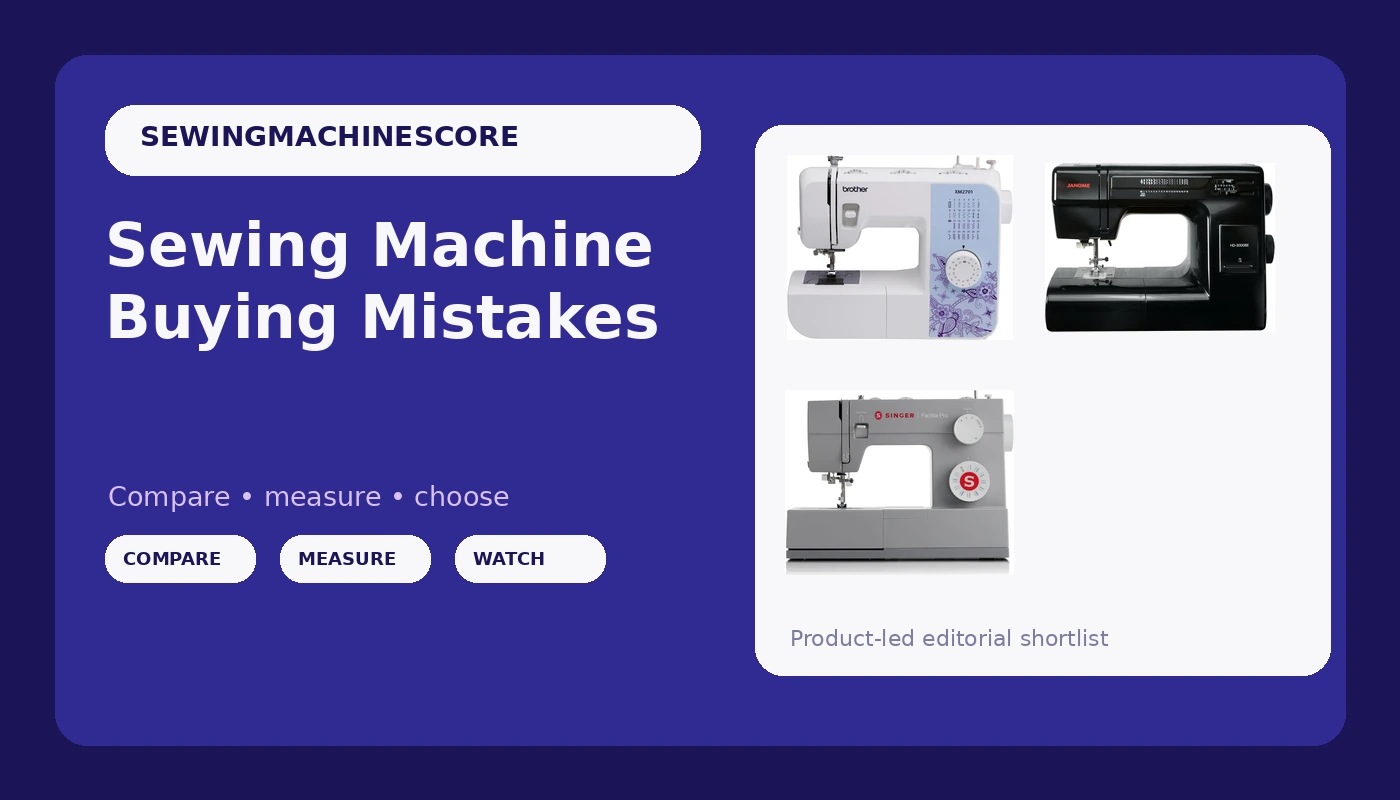
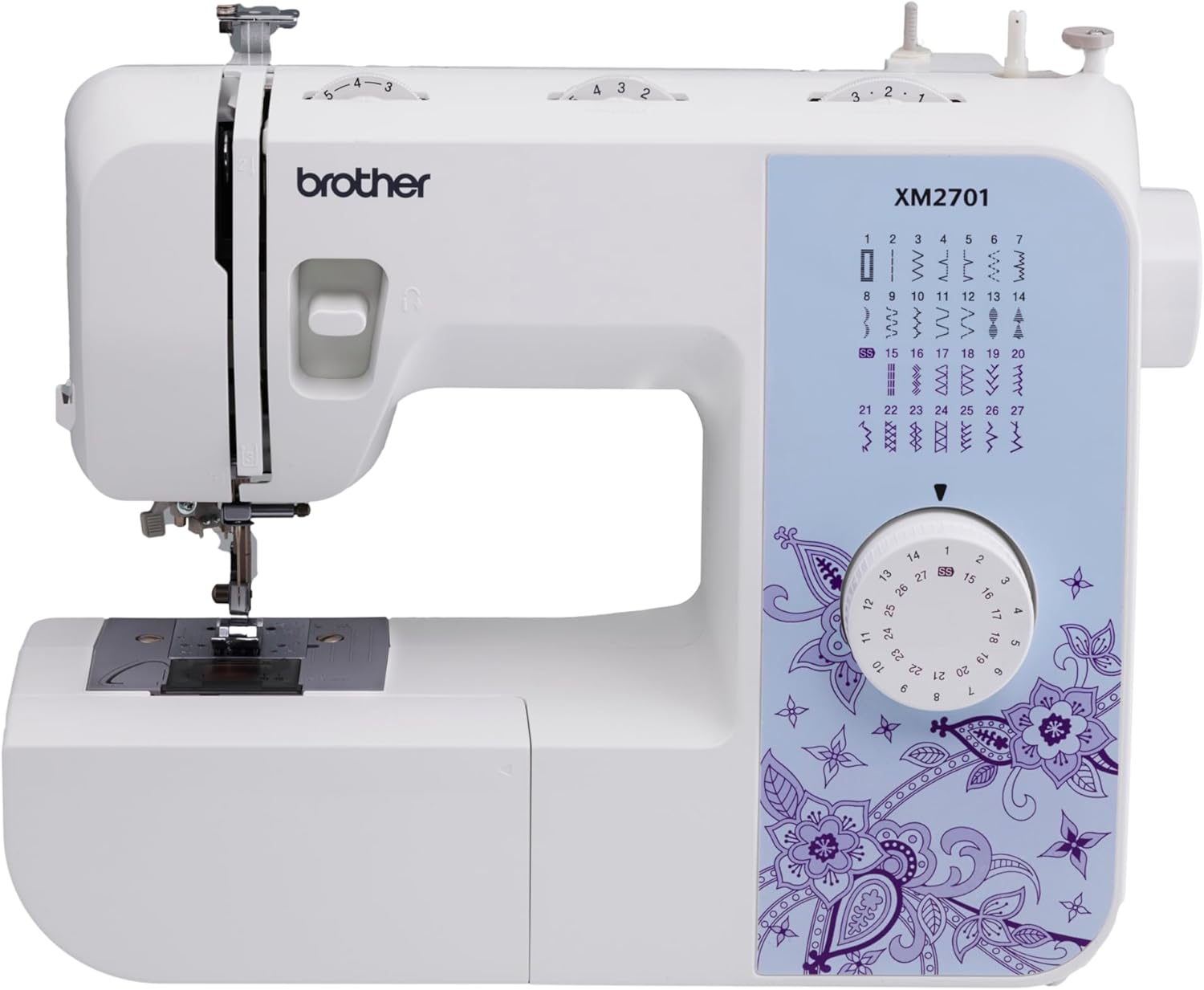
I bought my first machine as a gamble. Six years later, that Brother XM2701 has taught me everything I know, from baby blankets to a Totoro costume for a school of 400 kids. But I made mistakes getting there. If you're standing in front of a wall of machines right now, here's what I've learned the hard way so you don't have to.
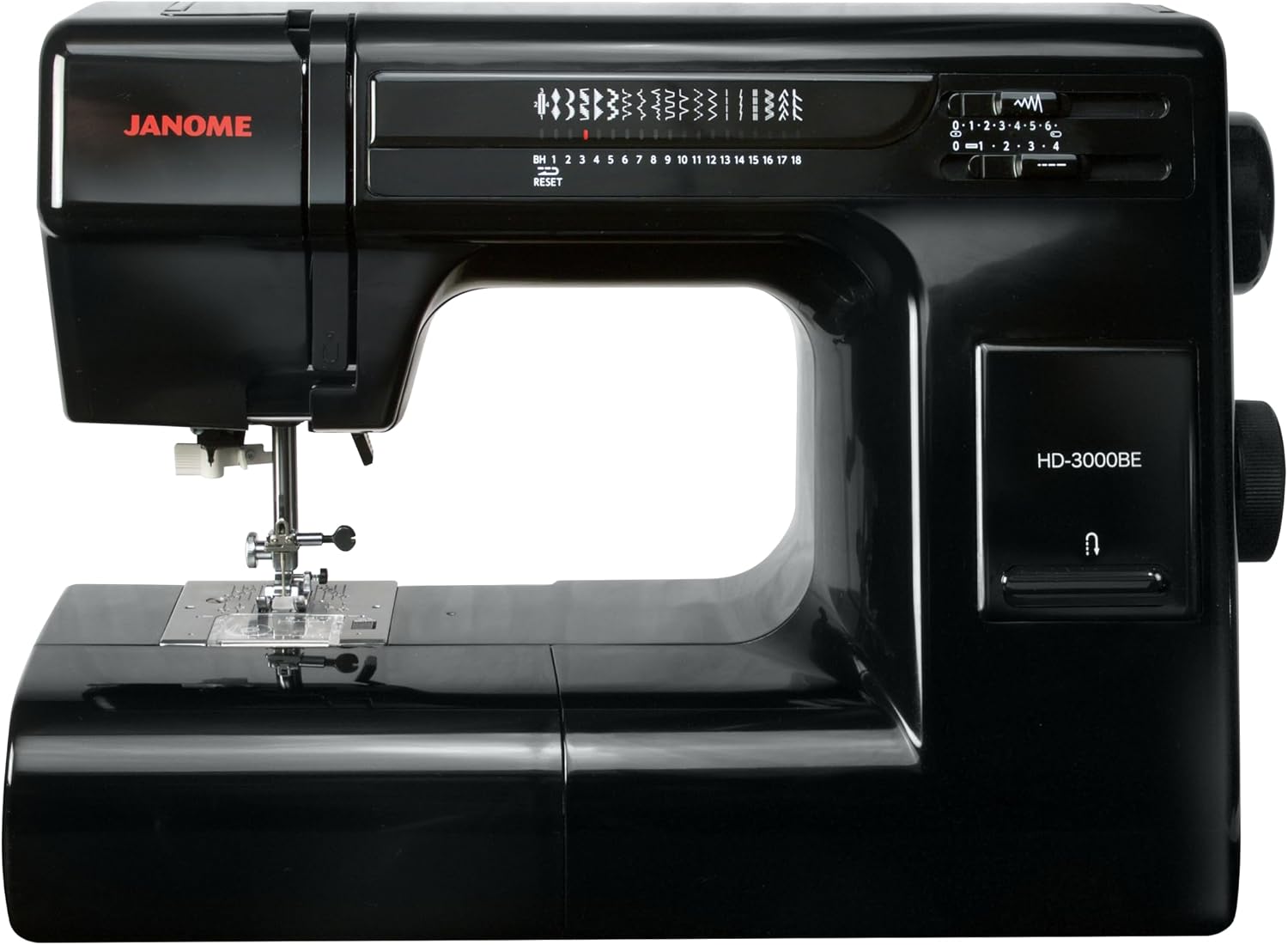
Janome Heavy Duty HD-3000 Black Edition Sewing Machine with Bonus 6 Piece...
All metal body, real power, made to last decades
Its strength is narrow; the better pick covers more of the job.
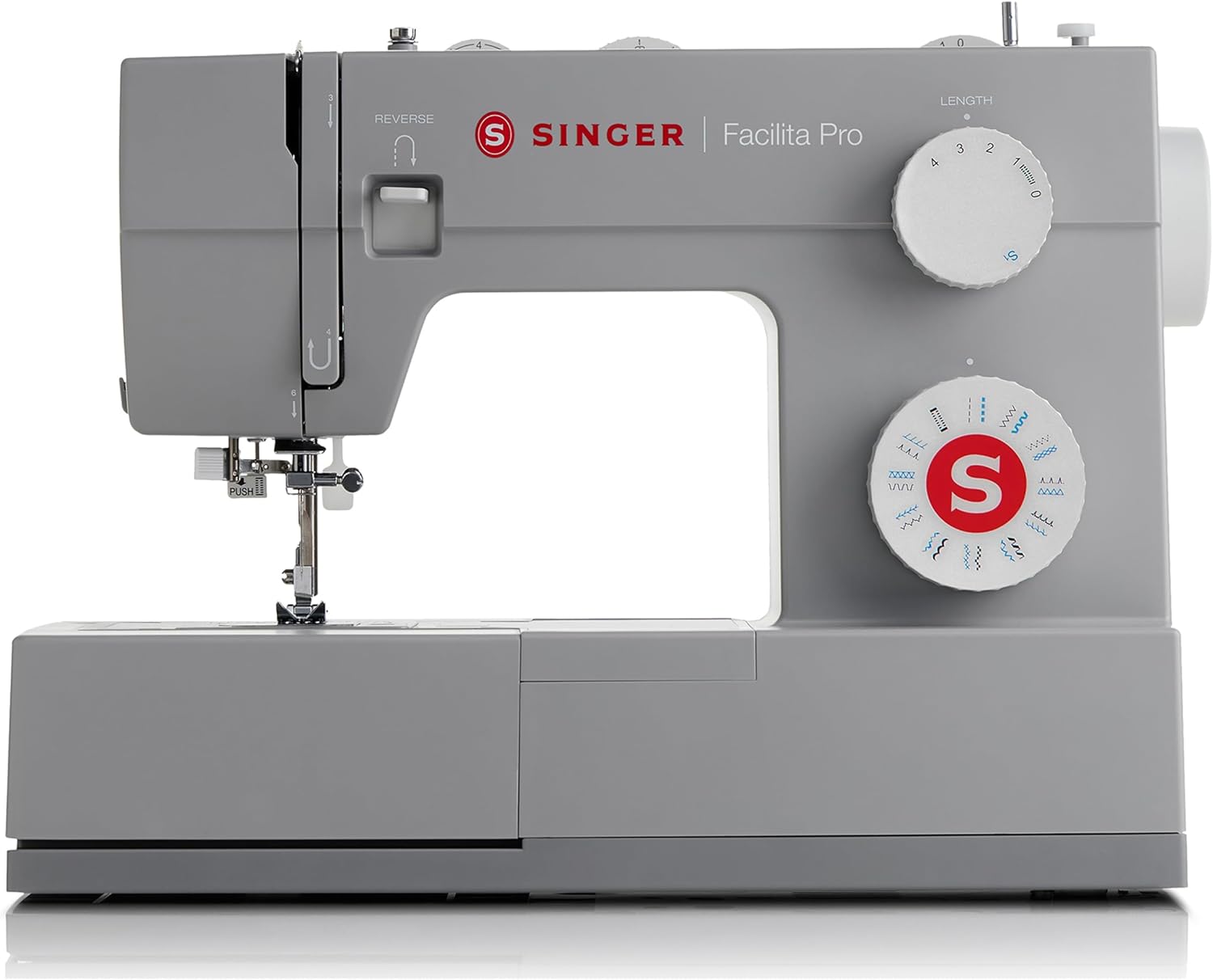
SINGER Heavy Duty 44S Sewing Machine
Plows through denim and leather without complaint
Its strength is narrow; the better pick covers more of the job.
Prices and availability were captured from Amazon Creators API and may change.
I fell for the "heavy duty" marketing hook, line, and sinker on my first big purchase. Then I watched it choke on a jeans hem. The lesson isn't that heavy duty machines are bad. The lesson is that the phrase means different things to different brands.
Singer Heavy Duty 44S Sewing Machine
I bought the Singer 4423 when my Brother couldn't handle leather for costume work. It plows through Cordura, denim, and nylon webbing without flinching. The numbered threading paths on the machine are a lifesaver, you just follow the numbers, no memorization required. At ~$149.80, it's the best unit at its price point.
But the 4423 isn't the only option in this category, and the 44S is worth a look if you can find one. Same heavy-duty promise, similar muscle for thick fabric. A buyer told me they sewed through four layers of Cordura on theirs and it didn't even flinch. I believe them.
Here's the catch with all of these "heavy duty" machines: the pedal is sensitive. It goes 0 to 60 in a leap. You'll need to practice on scraps before you're comfortable. And Singer ships only safety warnings in the box.
You'll need a downloaded manual and YouTube tutorials. One 67-year-old man who had never sewn before bought a 4423, struggled with bobbin tangles (turned out to be bad thread, not the machine), learned via YouTube, and went on to sew Hawaiian shirts and heavy Cordura over four years.
He's proof the machine is capable. He's also proof you'll need to work for it.
Mistake 2: Buying a machine without a printed manual
The manual is the machine's promise. If the manufacturer won't print one, they don't respect you as a buyer. I returned a Singer for exactly that reason when my 20+ year old Kenmore finally died.
Singer used to be the gold standard. Now, unless it's the 4423 or the 44S, I'd steer clear. A QR code is not a manual. Safety warnings stapled to a cardboard insert is not documentation. When I teach my beginner classes, I bring the Brother XM2701 because the manual in the box reads like someone actually wanted you to succeed. That's the standard.
Mistake 3: Forgetting about bobbins
This is my hill. I'll die on it. Bobbins are not all the same. A Class 15 bobbin is not a 15J, not metal, and if you use the wrong one, you'll get thread balled up under there and blame the machine when it's your own fault.
I have a whole lecture I give my students. Clear plastic Class 15 only for most modern machines. No metal, no 15J. The wrong bobbin is the number one cause of "my machine is broken" complaints I've heard from beginners. It's almost always the bobbin, not the machine.
Mistake 4: Choosing by stitch count instead of how it feels
The number of stitches a machine offers means nothing if the pedal makes you want to throw it out the window. I test machines by running them through five fabric types and three stitch lengths before I'll give a verdict. The straight stitch on cotton and on denim tells me more than any spec sheet.
If the machine goes 0 to 60 in a leap, you'll never learn to sew slowly, and you'll never learn to sew well. I learned this the hard way on a temperamental Baby Lock I borrowed from a friend. Threading was a nightmare, the tension had a mind of its own, and I took my Brother home after 20 minutes. Unfussy wins. Every time.
Mistake 5: Ignoring the throat space
I'm not a giant, but I've got hands that don't fit in tight spaces. If you've ever tried to quilt a bedspread on a machine with 6 inches of throat space, you know the pain. Measure the projects you actually want to make. Then check the throat space. A machine that's perfect for a Halloween costume might not handle a king-size quilt.
My Brother XM2701 has enough room for 95% of what I sew. But when I started making Renaissance fair gowns with full skirts, I noticed the limits. I worked around them. If I were buying today, I'd think harder about that spec.
Mistake 6: Skipping the needles and feet
This one took me three projects to figure out. A machine that arrives without extra feet and extra bobbins is a machine that isn't ready to use. The Brother XM2701 comes with both. I was sewing the day it arrived. That's what matters for a beginner.
The Singer 4423 doesn't come with much. You'll need to budget for extras. Needles, bobbins, feet, a carrying case (because Singer doesn't include one). That ~$150 machine turns into ~$200 before you sew a stitch.
Sewing Machine Needles 50 PCS HAX1 Universal 5 Sizes Compatible with Singer
I keep a drawer of these. Universal needles in five sizes, ~$5.98 for 50 of them, and they're compatible with most machines including the Singer heavy duty line. Change your needle every 8 hours of sewing. I'm serious. A dull needle causes more skipped stitches and thread tangles than any other single thing.
Mistake 7: Buying the cheapest machine you can find
I've seen ~$150 machines outsew ~$500 ones. But I've also seen ~$80 machines that couldn't handle a single seam on fleece without bunching. The sweet spot for a beginner who doesn't know what they need yet is somewhere in the middle.
The Janome HD1000BE HD1000 Black Edition is what I tell my serious students to save up for. All metal body, real power, and made to last decades. At ~$389, it's not a beginner price. But it's a forever price. If you know you're going to sew for the next 20 years, this is the one I'd skip the upgrade cycle for.
Janome HD1000BE HD1000 Black Edition All Metal Body Sewing Machine, one size
The all metal body is the headline feature. It feels different from plastic-bodied machines the moment you pick it up. The motor has more torque, the gears don't strip, and it weighs enough that it doesn't walk across the table when you're running heavy fabric through it.
The pedal is more forgiving than the Singer 4423. Smoother ramp-up, easier to control at low speeds. For a beginner with patience and a budget, this is the machine I'd recommend if you can stretch to it.
Mistake 8: Not budgeting for the accessories
A sewing machine is the start of the cost, not the end. You need bobbins, needles, thread, scissors, a seam ripper, pins, and probably a carrying case unless your machine comes with one. I learned this when I bought my Brother and then spent another ~$60 on supplies the first week.
Here's what I'd buy on day one if I were starting over:
3.4 Oz Sewing Machine Oil Set Including 1" & 1.5" Precision Oil Applicators & 5X
I take my machines apart to clean them. It's a habit I picked up from my grandmother and her old Kenmore. This oil set, ~$8.95, comes with precision applicators that get into the bobbin race without making a mess. One drop in the right place every few months keeps the machine happy. Skip this and your machine will let you know.
Sewing Machine Extension Table For Singer 4411, 4423, 4432,4452,5511,5523 Heavy
If you buy a Singer heavy duty, this extension table is non-negotiable. At ~$23.90, it gives you the flat surface you need for quilts, curtains, and big pattern pieces. I bought one in my second year and wondered how I'd lived without it.
Needle Plate for Singer Sewing Machines (416472401) - 3323, 4411, 4423, 4452, 63
A spare needle plate is cheap insurance. ~$15.99, and it saves you when the teeth on your original get bent from a pin you forgot to remove. Ask me how I know.
Sewing Machine Pedal and Power Cord for Janome & Kenmore, Compatible with Janome
Pedals die. Cords fray. If you've inherited an older Janome or Kenmore, this replacement at ~$21.96 will bring it back to life. I keep one in my drawer for my students' loaner machines.
Mistake 9: Buying for the project you think you'll do, not the one you actually will
I bought my Brother XM2701 thinking I'd make baby blankets and tote bags. Six years later, I'd made Halloween costumes for a school of 400 kids. The machine handled everything I threw at it except the heaviest stuff. That was the right call.
The mistake is the opposite: buying a "heavy duty" machine because you think you'll sew leather someday, when really you just want to make dresses. You'll fight the pedal for years and never touch the leather.
Buy for the project that's actually in your hands. The aspirational projects can wait for machine number two.
Tools and materials I use
- Janome HD1000BE HD1000 Black Edition All Metal Body Sewing Machine, one size (~$389)
- SINGER Heavy Duty 44S Sewing Machine (~$149.80)
- Sewing Machine Needles 50 PCS HAX1 Universal 5 Sizes Compatible with Singer (~~$5.98)
- 3.4 Oz Sewing Machine Oil Set Including 1" & 1.5" Precision Oil Applicators & 5X (~~$8.95)
The bottom line
Your first machine should make you want to sew tomorrow. That's the real spec. Not the number of stitches, not the brand name, not the price. When you're learning, you need a machine that doesn't fight you.
Start with one you can afford, learn what you actually like to sew, and upgrade when you hit a wall. The Brother XM2701 taught me for six years before I needed anything else.
The Singer 4423 taught me about heavy fabric when I was ready. The Janome HD1000BE is what I'd buy if I were starting from scratch and had the budget.
Six cents a day for six years of sewing. That's not a purchase. That's a bargain.