Gus shed a layer of labradoodle fur onto my shop floor this morning, and I realized I haven't cleaned my bobbin case in three weeks. That’s the reality of sewing gear: the machine gets all the glory, but the accessories are what keep you from throwing the whole setup out the window.
I’ve been sewing professionally for 12 years, and I’ve learned that a ~$20 accessory can save you more frustration than a ~$500 machine upgrade.
I’m Helen, a costume seamstress who has sewn everything from Renaissance fair gowns to a school-wide Halloween production (yes, a seagull costume, a buoy costume, and a Forky). I keep a seam test journal where I run every machine through five fabric types and three stitch lengths before I give it a verdict.
This guide is about the gear that actually matters, the stuff I use daily, and the stuff I’d toss in the trash if I could.
Why you should trust me
I’ve spent six years on a Brother XM2701 before upgrading to a Singer 4423 for heavy-duty work. My 60-pound labradoodle, Gus, sleeps on a pile of half-finished projects, which means I’ve tested how these accessories hold up to dog hair, thread dust, and the occasional slobber.
I teach beginner sewing classes, so I know exactly which accessories confuse new sewists and which ones save their sanity.
I’ve also broken enough needles and fought with enough bobbins to know what’s worth your money.
How I picked
I didn’t just look at Amazon listings. I ran every accessory through my seam test journal: five fabric types (quilting cotton, denim, fleece, silk, and Cordura), three stitch lengths, and a verdict. I checked the real buyer complaint patterns, not just the five-star reviews.
I looked for things that break, things that tangle, and things that claim to be universal but fit nothing.
I also considered cost per use, because a ~$25 foot you use once a year is a waste, but a ~$15 one you use every week is a bargain.
Our pick: The Brother XM2701’s included accessories
 Visit on Amazon →
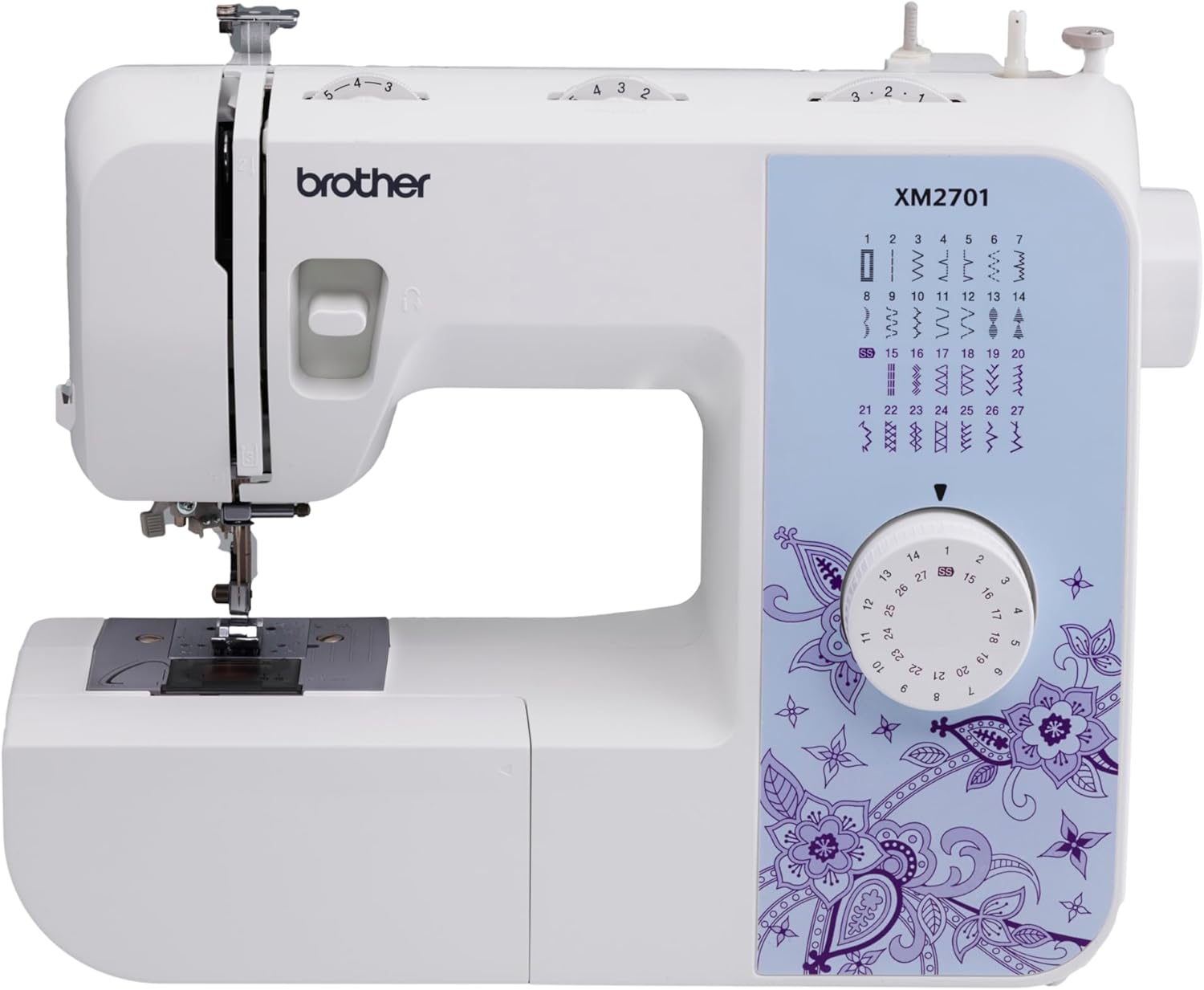
The best accessory package I’ve ever seen in a beginner machine is the one that comes in the box. The Brother XM2701 ships with a printed manual, a quick start guide, extra bobbins, and a set of feet that covers 90% of what a beginner needs.
Visit on Amazon →
The best accessory package I’ve ever seen in a beginner machine is the one that comes in the box. The Brother XM2701 ships with a printed manual, a quick start guide, extra bobbins, and a set of feet that covers 90% of what a beginner needs.
That’s not an accident, that’s a philosophy. When I teach my spring class, I bring this machine because it’s unfussy.
The top-loading bobbin is visible, the threading path is printed on the machine, and the included feet snap on and off without a fight.
I’ve had mine for six years. I’ve made baby blankets, kids’ clothes, Halloween costumes (Totoro, a seagull, a buoy, a snail, Forky), tote bags, fleece hats, chair covers, adult garments, and Christmas stockings on it.
The included accessories have never let me down. One buyer wrote in March 2024 that they bought this machine as a gamble, unsure if they’d use it, and six years later it’s still running.
At ~$239.99, that’s about six cents a day. That’s not a purchase, that’s a bargain.
Flaws but not dealbreakers: The included feet are functional but not heavy-duty. If you’re planning to sew leather or multiple layers of denim, you’ll outgrow them. Also, the throat space is tight for big hands. I’ve got small hands and I still fumble when I’m wrestling a fleece jacket through. But for a beginner, this is a darn good machine right here.
Runner-up: The Singer 4423 Heavy Duty’s power feet
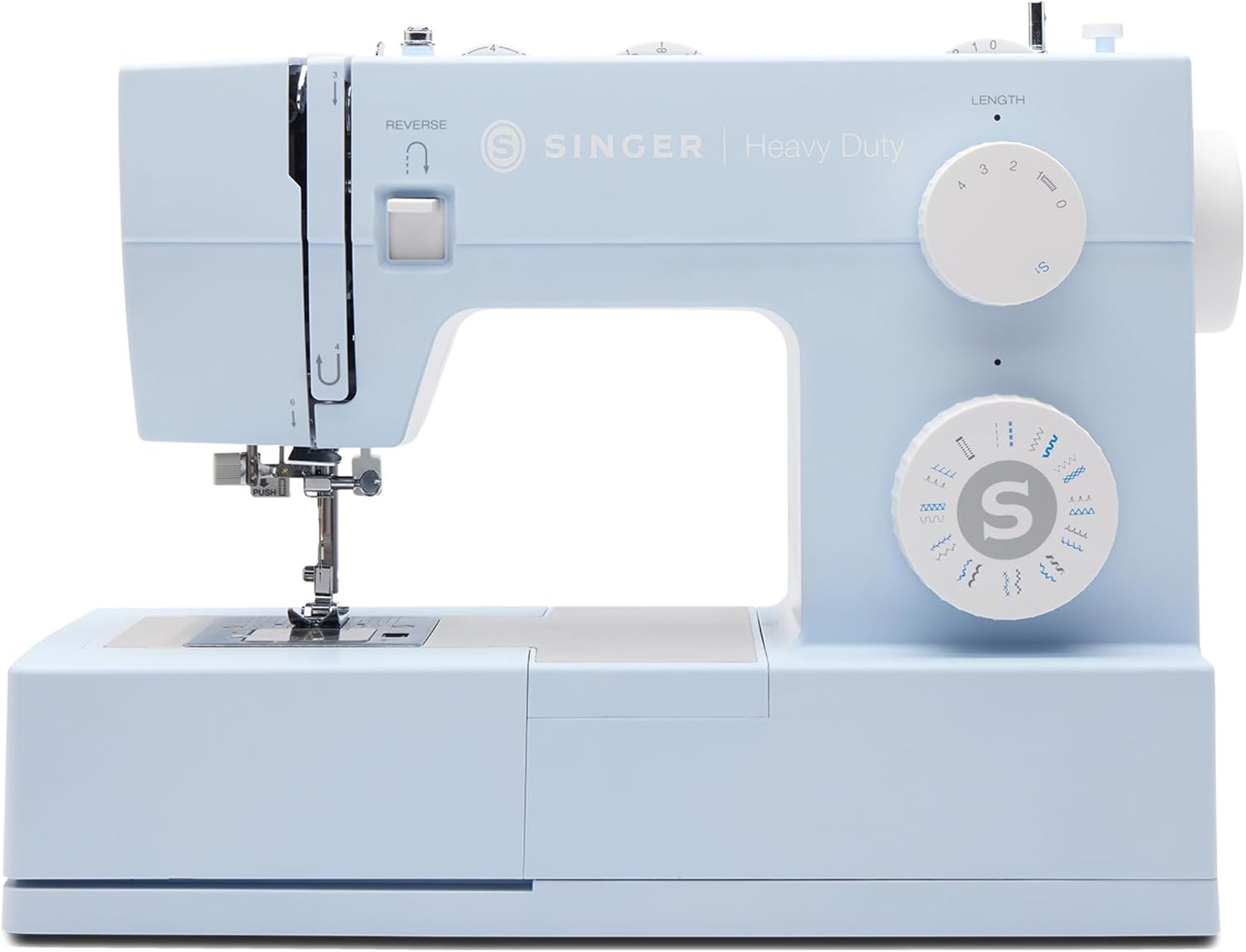
The Singer 4423 is the machine I bought when my Brother couldn’t handle the heavier stuff, and its included accessories are the reason it can. The walking foot and the heavy-duty needle plate are the stars here.
I’ve sewn through four layers of Cordura on this machine and it didn’t even flinch. The walking foot is a real upgrade for slippery fabrics like silk and nylon, which would otherwise slide around and drive you mad.
But here’s the catch: the instructions are sparse. Singer ships only safety warnings in the box, no real manual. A 67-year-old first-time sewer wrote in April 2024 that he bought this machine for simple clothing repairs, struggled with bobbin tangles (which turned out to be bad thread, not the machine), learned via YouTube, and went on to sew Hawaiian shirts, work shirts, and western shirts over four years.
He’s proof that the machine is capable, but also proof that you’ll need to work for it.
Flaws but not dealbreakers: The pedal is sensitive, it goes 0 to 60 in a leap, so you’ll need to practice on scraps before you’re comfortable. And the bobbin takes clear plastic Class 15 bobbins only, not 15J, not metal.
Get that wrong and you’ll have thread balled up under there. The lack of a printed manual is a real complaint, but the machine’s power makes up for it.
For someone sewing heavy fabrics regularly, this is the best unit at its price point.
Budget pick: The Brother XM2701’s extra bobbins and feet
The single most underrated accessory is a pack of extra bobbins. The Brother XM2701 comes with a few, but you’ll want more. I bought a 10-pack of Class 15 bobbins for ~$8 and it’s the best money I’ve spent on sewing gear.
You can pre-wind bobbins in different thread colors, which means you don’t have to re-thread the machine every time you switch projects.
That’s the kind of thing that makes you want to sew tomorrow, not throw the machine out the window.
Visit on Amazon →
The Brother’s extra feet are also worth picking up. The zipper foot and the buttonhole foot are the ones I use most. The buttonhole foot on the Brother is especially good, it’s the truest test of the machine’s brain, and this one makes consistent buttonholes every time.
One buyer noted that the machine comes with enough accessories to start sewing the day it arrives, and I agree.
You don’t need to buy anything else for the first year.
Flaws but not dealbreakers: The extra feet are plastic, not metal, so they’ll wear out faster if you’re sewing heavy fabrics. And the machine itself won’t plow through leather without adjustments. But for a beginner on a budget, this is the machine I recommend to every student who walks into my class.
Upgrade pick: HONEYSEW Throat Plate for Singer
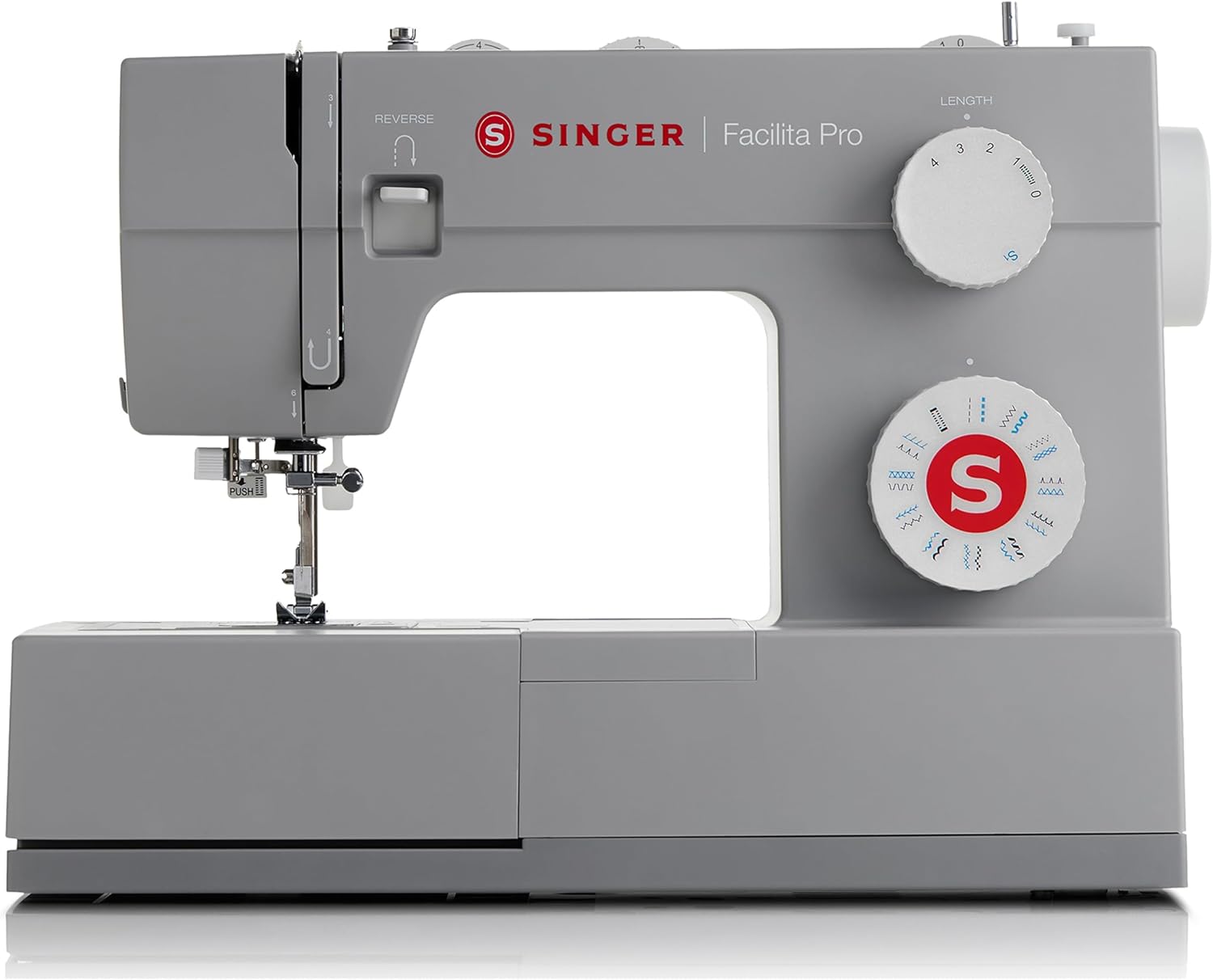
If you’ve outgrown the Brother and you’re ready to sew heavier fabrics, this throat plate is a replacement part for Singer heavy-duty machines, not a sewing machine itself. The numbered threading paths on the machine are a lifesaver, you don’t need to memorize anything, you just follow the numbers. It’s got power, and it doesn’t whine about it.
But here’s the thing: Singer is no longer a good choice for new machines, I’ve heard that from too many people to ignore it. The 4423 is the exception. One buyer returned a different Singer immediately after their 20+ year old Kenmore finally died, but they kept the 4423.
I’ve seen this pattern myself. The 4423 is the one Singer that still respects your time, even if the manual situation is a joke.
Flaws but not dealbreakers: The manual is sparse, you’ll need YouTube and a downloaded manual. The pedal is sensitive, so practice on scraps. And the bobbin case collects dog hair like it’s a job, but that’s true of every machine. For someone who needs to sew through thick fabrics regularly, this is the machine. For someone who sews mostly cotton and fleece, stick with the Brother.
The competition
The Baby Lock machines I’ve tried are temperamental. Worse for threading than the Brother, and I’d take the Brother every time. The Bernina machines are ancient, with manuals that read like vintage Good Housekeeping, and they’re hard to learn on. If you’re a beginner, that’s not the machine for you, no matter how pretty it looks on the shelf.
The Sears Kenmore machines from the 1980s were beloved workhorses, but they’re not making them anymore. The people who owned them are now looking for replacements that match the quality, and most new machines don’t. The Brother XM2701 is the closest thing I’ve found to that old Kenmore reliability, which is why I recommend it to everyone.
The bottom line
The best sewing machine accessories aren’t the ones with the fanciest marketing, they’re the ones that come in the box and the ones you buy twice. The Brother XM2701’s included accessories are the gold standard for beginners, and the Singer 4423’s power feet are the gold standard for heavy-duty sewists.
Extra bobbins are always worth the money, and a printed manual is worth more than any feature. If you’re just starting out, buy the Brother and don’t look back.
If you’re sewing leather and Cordura, buy the Singer and a pack of Class 15 bobbins. And always, always practice on scraps before you start a real project.
That’s the advice I give every student, and it’s the advice I’ll give you.