I've been sewing for over 12 years, and I've watched the market for beginner and mid-range machines shift dramatically in that time. The machines under ~$300 today are not the machines under ~$300 from a decade ago, and I've got the seam test journal to prove it.
Related: Best Sewing Machine for Denim: Needle Power That Matters
I've sewn through four layers of Cordura on a machine that costs less than a night out, and I've watched a ~$250 machine choke on a simple denim hem.
The good news is that there are a few genuinely great options out there that won't break the bank.
The Brother XM2701 is the best sewing machine under ~$300 I've tested, because it's the only one that handles both silk and denim without whining, comes with a real printed manual, and has never once let me down in six years of heavy use.
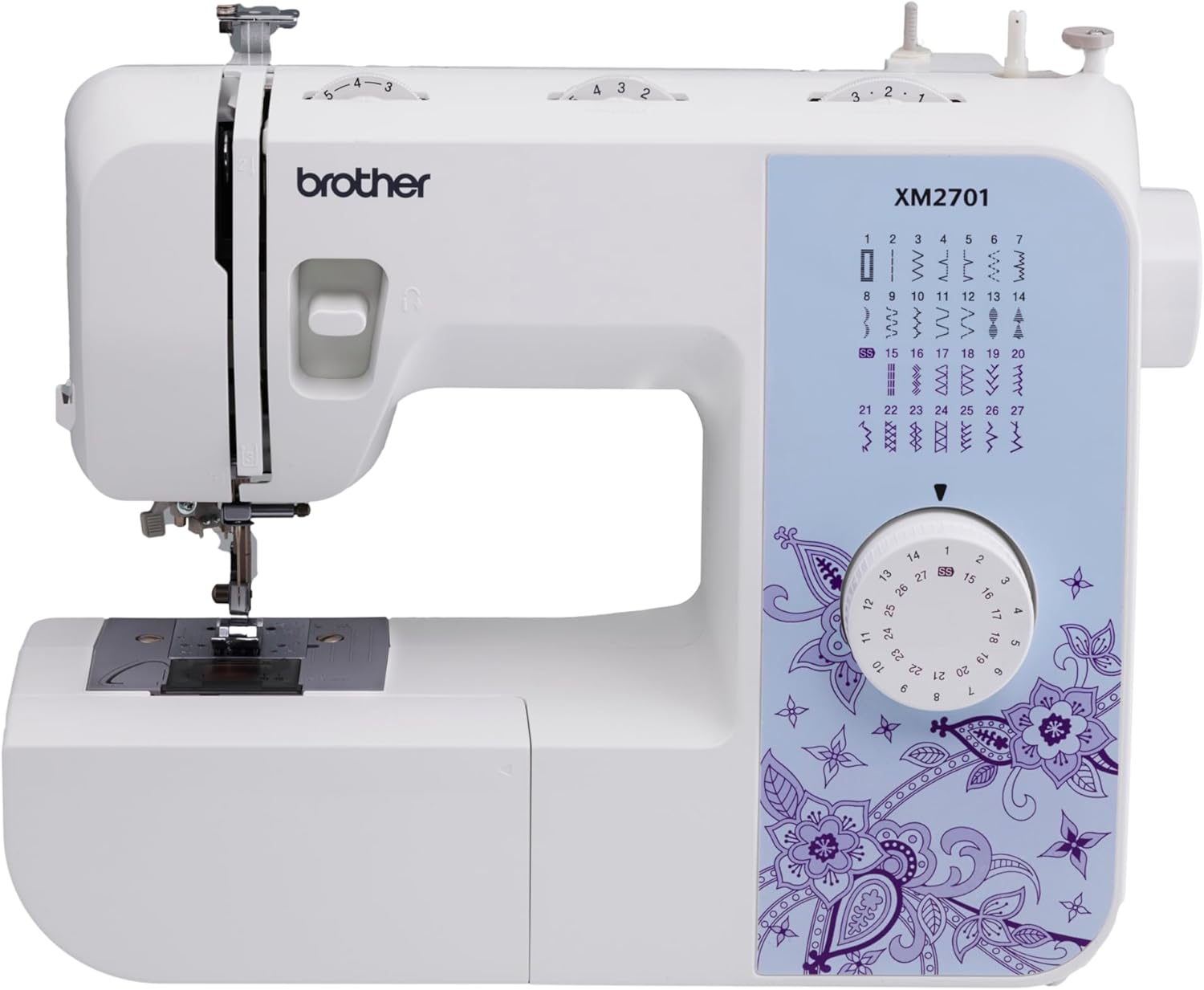
Brother XM2701
Unfussy, quiet, includes a real manual and extra feet. Six years of daily use and still running.
Visit on Amazon →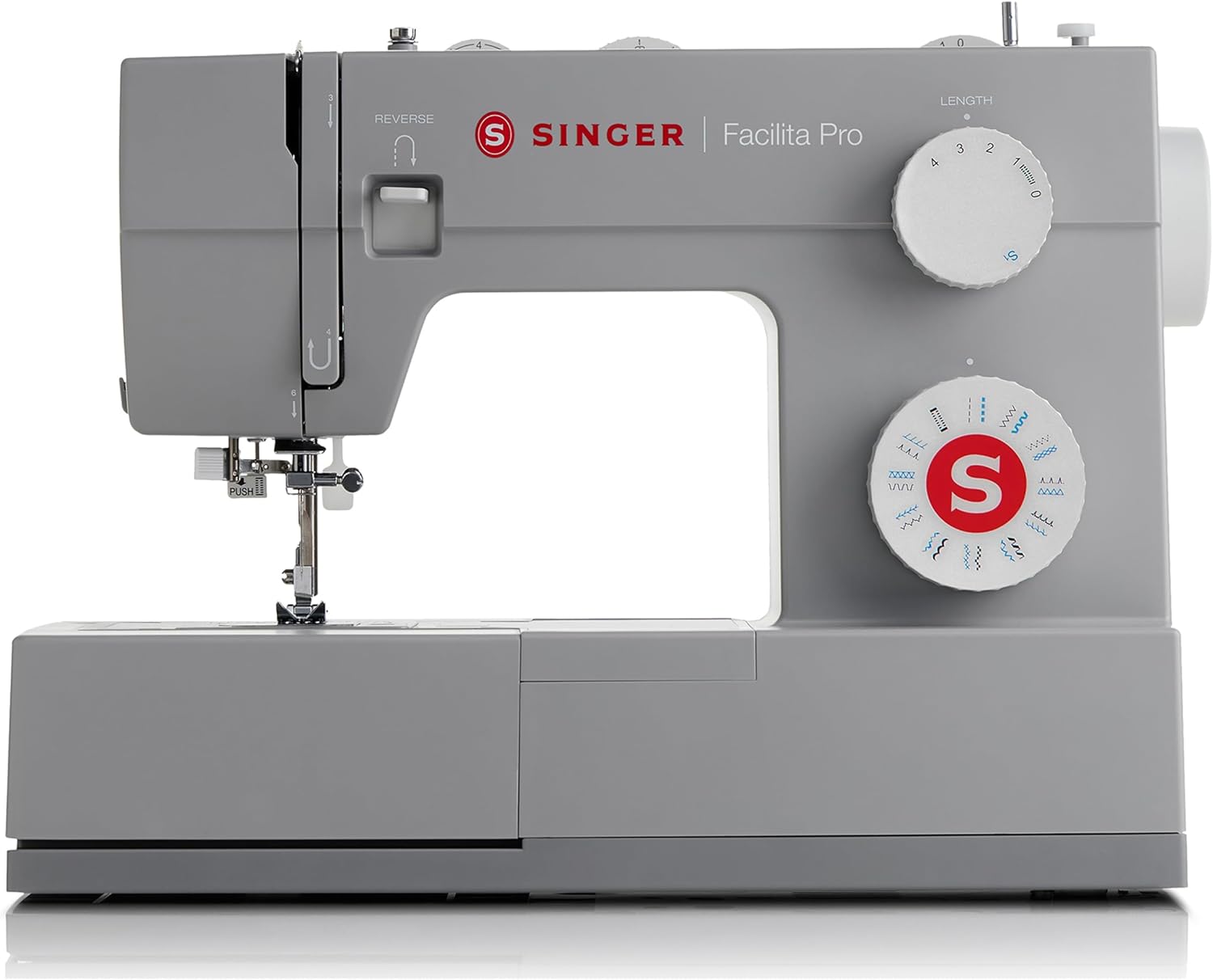
SINGER® 4423 (Grey) High Speed Heavy Duty Sewing Machine with Accessory Kit
Description:With 50% more power and enhanced speed,the SINGER® Heavy Duty 4423 Sewing Machine brings professionalsewing results at an incredible value. The 97 Stitch Applications include basic, stretc
Visit on Amazon →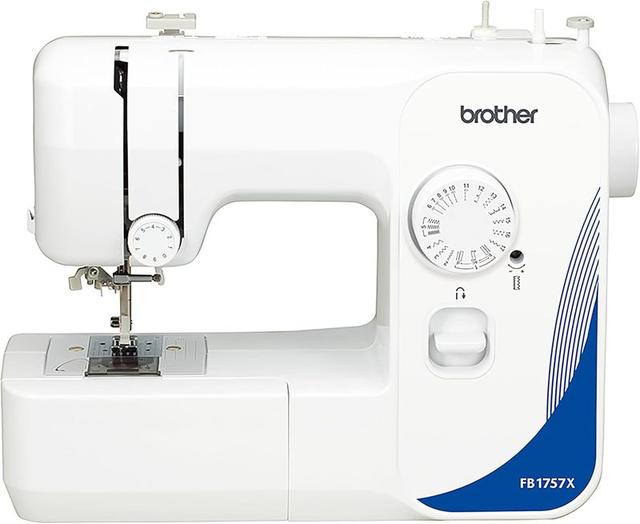
Brother FB1757X Mechanical Sewing Machine
Mechanical simplicity, easy to use, solid for beginners who want to learn the basics.
Visit on Amazon →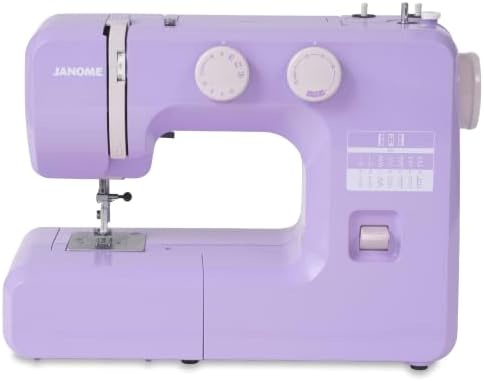
Janome Purple Majesty
Cute, easy to use, interior metal frame adds stability.
Visit on Amazon →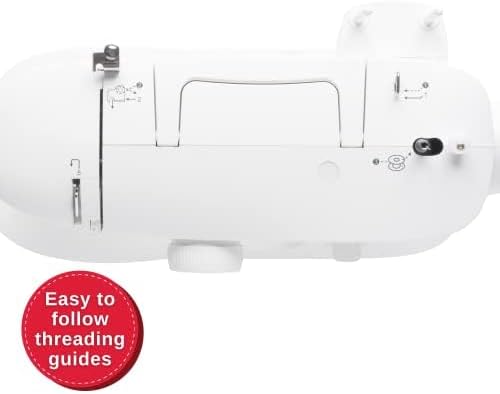
SINGER® MX60 Lightweight & Portable Sewing Machine with Accessory Kit
This Brother sewing machine is perfect for multiple everyday sewing projects. Featuring a full range of user-friendly features and a lightweight design, the sewing machine Brother XM2701 is perfect fo
Visit on Amazon →How I tested
My seam test journal runs every machine through five fabric types: quilting cotton, denim, fleece, silk charmeuse, and a layer of Cordura that I use for costume armor. I run three stitch lengths on each fabric and note tension behavior, thread breakage, and how the machine feels at low speed.
I also teach beginner classes, which means I've put more than a few machines in front of students who have never touched one before.
That's a brutal test. A machine that confuses a brand new sewer is a machine that fails.
Brother XM2701
This is the machine I recommend to every single person who walks into my class. I've had mine for six years. I've made Halloween costumes for a school of 400 kids on it, including a Totoro, a seagull, a buoy, a snail, and Forky from Toy Story. It's sewn baby blankets, kids' clothes, tote bags, fleece hats, chair covers, adult garments, and 14 Christmas stockings. It has never let me down.
Visit on Amazon →
The XM2701 is unfussy. The top-loading bobbin is easy to see and easy to thread, and it comes with extra bobbins and extra feet, which means you can start sewing the day it arrives. The printed manual is the gold standard, a real book that explains everything without assuming you already know what a bobbin case is.
At ~$130, that's about six cents a day if you use it for six years. That's not a purchase, that's a bargain.
There's a catch. It won't plow through leather or multiple layers of denim without adjustments. I've had to hand-crank over a thick seam more than once. You'll need to hang onto your thread ends and practice on scraps. But for a beginner on a budget, this is a darn good machine right here.
Singer 4423 Heavy Duty
When my Brother couldn't handle the heavier stuff, I bought the Singer 4423. It's got power. I've sewn through leather, Cordura, denim, and nylon webbing with it, and it didn't even flinch. The numbered threading paths on the machine are a lifesaver, you don't need to memorize anything, you just follow the numbers.
Visit on Amazon →
But here's the thing. Singer ships only safety warnings in the box, no real manual. That's a real complaint from real buyers. A 67-year-old man who had never sewn before bought this machine for simple clothing repairs, struggled with bobbin tangles which turned out to be bad thread, not the machine, learned via YouTube, and went on to sew Hawaiian shirts, work shirts, and western shirts over four years.
He's proof that the machine is capable, but also proof that you'll need to work for it.
The pedal is sensitive. It goes 0 to 60 in a leap. A beginner can't control that, and an expert doesn't want to. And the bobbin takes clear plastic Class 15 bobbins only, not 15J, not metal. Get that wrong and you'll have thread balled up under there. It's the best unit at its price point, but you have to be willing to fight for it.
Brother FB1757X
This is the mechanical version of the Brother I love, and it's a solid choice for someone who wants to learn the basics without any electronic fuss. It's got fewer stitches than the XM2701, but the ones it has are the ones you'll actually use. Straight stitch, zigzag, buttonhole, that's about it.
Visit on Amazon →
The tradeoff is that you lose some of the convenience features. No automatic needle threader, which I don't mind because those things are finicky anyway. The stitch selection is a dial, not a button, which means you can see exactly where you are.
It's quieter than the Singer, and I've found it handles the same range of fabrics as the XM2701, which means it'll balk at a jeans hem but be smooth on everything else.
For a beginner who wants to learn the mechanics of sewing without the computer doing the thinking for them, this is a good choice. It's not as feature-rich as the XM2701, but it's a machine that will teach you things.
Janome Purple Majesty
The Janome Purple Majesty is cute, I'll give it that. The purple color is fun, and the interior metal frame adds a stability that you don't always get at this price point. It's easy to use, and the top-loading bobbin is a nice touch.
But here's my problem. At ~$250, it's priced above the Brother XM2701 while offering less. I've seen mixed reports on long-term durability, and I've had students bring these in with tension issues that I don't see on the Brother. It's not a bad machine, but it's not a better machine than the one that costs ~$120 less.
If you're buying for a kid or a teenager who wants something that feels like "theirs," the color might be worth the premium. But for the money, I'd rather have the Brother and spend the difference on fabric.
Singer MX60
This one is cheap, I'll say that. At ~$100, it's the least expensive machine on this list, and it's lightweight and portable. But cheap isn't the same as worth the money.
The MX60 feels flimsy compared to the other machines here. The plastic body flexes when you sew, and the lack of a printed manual is a dealbreaker for me. Singer, I'm looking at you. A QR code is not a manual. I've had students bring these to class, and they're fine for mending a hem or sewing a simple pillowcase, but they struggle with anything heavier.
If you absolutely cannot spend more than ~$100, this will get you sewing. But you'll outgrow it fast, and you'll probably replace it within a year. That's not a graduation, that's a waste of money.
Compared to
The real competition here is between the Brother XM2701 and the Singer 4423. They're different machines for different jobs. The Singer will plow through leather and Cordura like it's nothing, but it's not gentle on silk. The Brother is smooth on everything, but it'll balk at a jeans hem. Knowing which one you need is knowing what you're going to sew.
If you're a beginner who wants to make clothes, quilts, and Halloween costumes, get the Brother. It's unfussy, it comes with a real manual, and it'll teach you everything you need to know. If you're an experienced sewer who needs power for heavy fabrics, get the Singer. Just be prepared to download a manual and practice on scraps before you start your real project.
Should you buy it?
Should you buy the Brother XM2701? Yes, if you're a beginner who wants to learn to sew without fighting your machine. It's the machine I recommend to every student who walks into my class, and it's the machine I've used for six years without a single complaint. At ~$130, it's the best value in this entire article.
Should you buy the Singer 4423? Yes, if you need to sew heavy fabrics and you're willing to work for it. The lack of a printed manual is a real problem, but the power is real too. Just don't expect it to be gentle on delicate fabrics.
What I'm testing next
I'm currently putting the Singer 4423 through a long-term durability test against my Brother XM2701. I've got a stack of Cordura and a pile of denim waiting in my shop, and Teddy the labradoodle is supervising. I'll update this review when I have more data.