
How To Fix Skipped Stitches
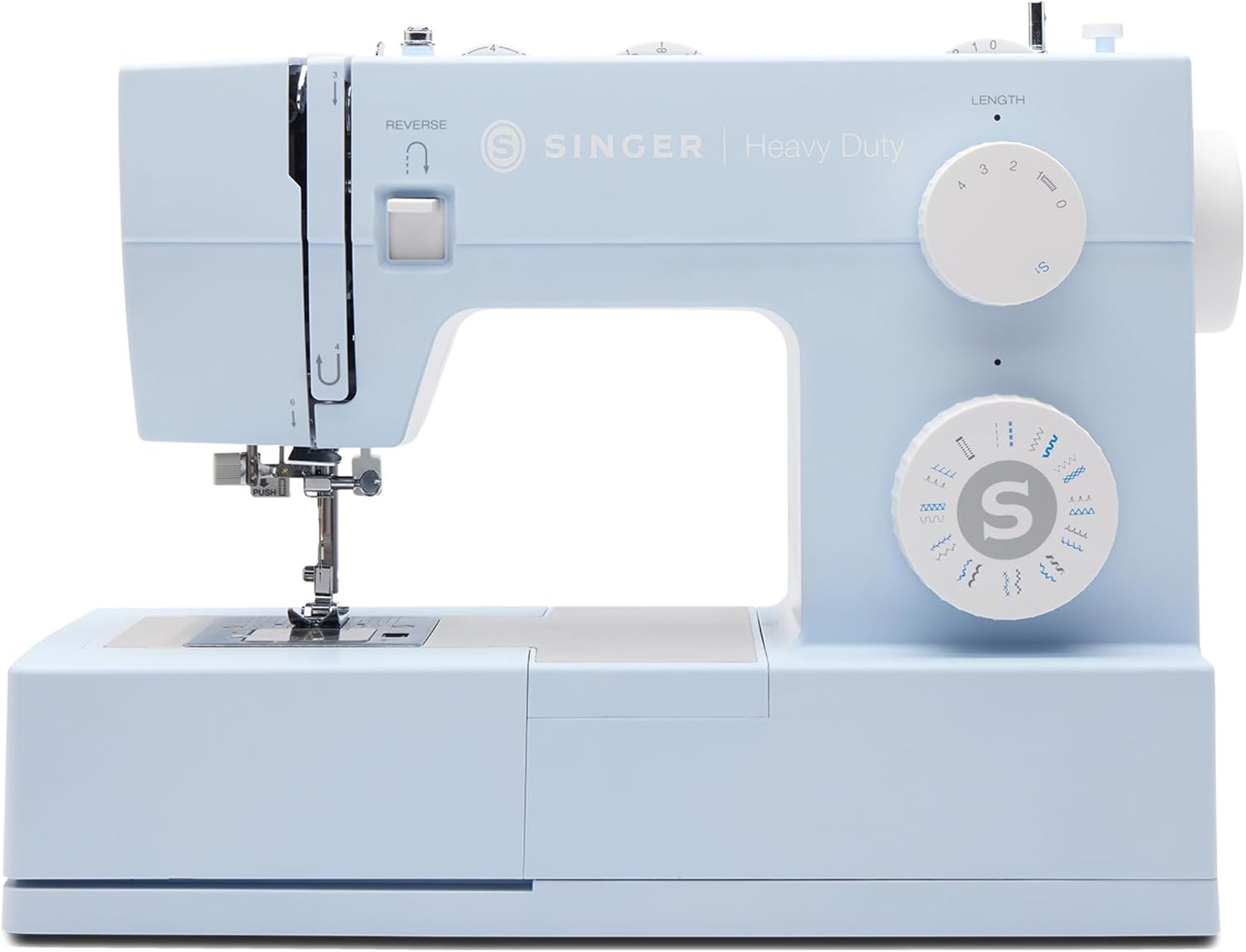
My Singer 4423 skipped three stitches in a row on a denim hem last Tuesday. The needle was brand new. The thread was good. The fabric wasn't anything weird. I took a breath, rethreaded the machine top to bottom, and it sewed fine for the next two hours. That's the thing about skipped stitches: they're almost never the machine's fault, but they always feel like it.
I've been sewing for 12 years, through Renaissance fair gowns and 400 Halloween costumes for a school full of kids, and I keep a seam test journal with five fabric types and three stitch lengths for every machine I review.
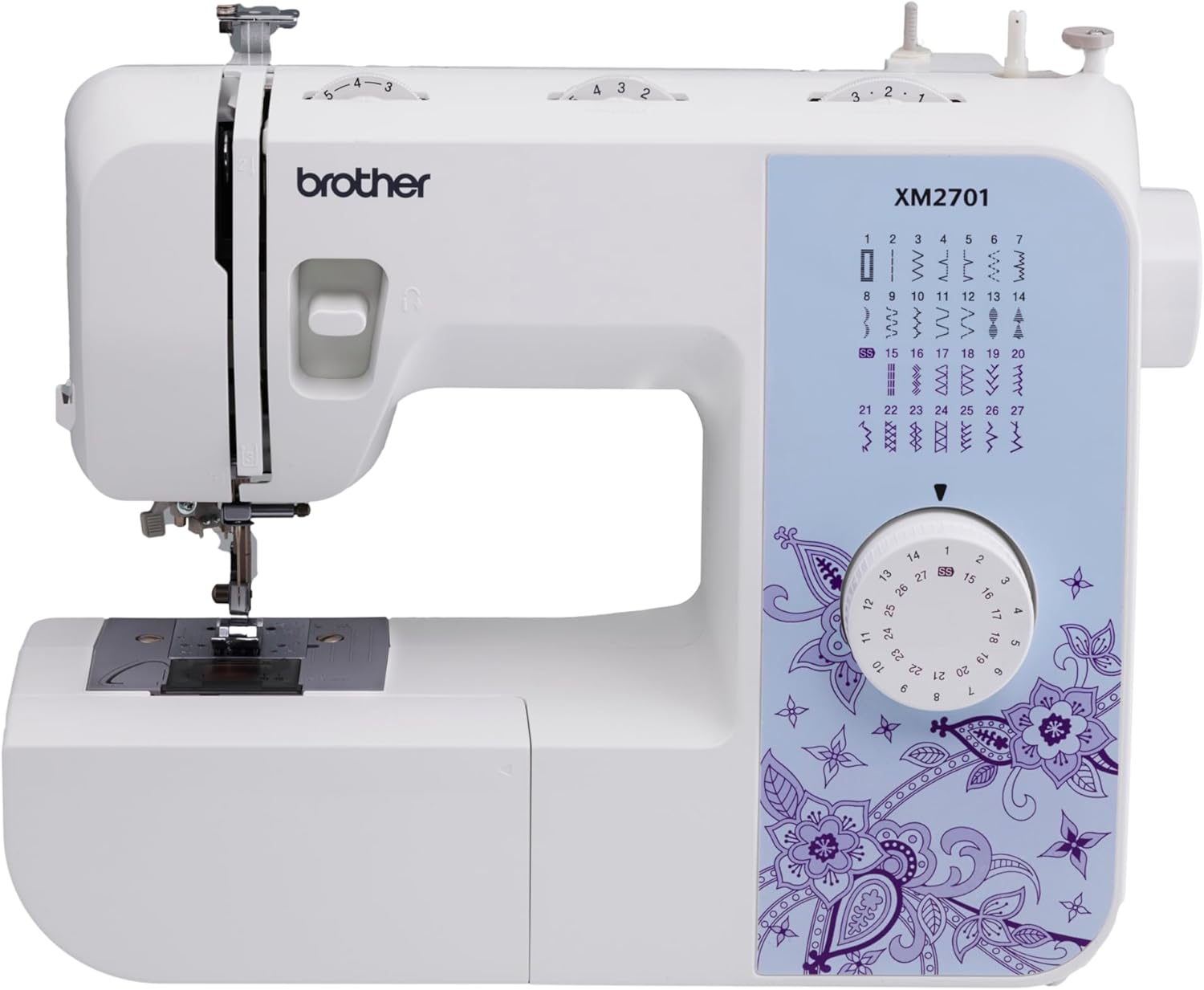
I've fixed skipped stitches on my Brother XM2701, my Singer 4423, and a temperamental Baby Lock that made me swear off the brand entirely.
Here's what actually works, in the order you should try it.
Start with the needle, because it's the problem 80% of the time
The first thing I do when stitches skip is change the needle. Not look at it. Change it. A bent needle, a dull needle, or a needle that's the wrong size for the fabric will skip stitches every single time.
I ruined a whole batch of Christmas stockings one year because I was too stubborn to swap out a needle that had been through four projects. It looked fine. It wasn't fine. The moment I put in a fresh size 90/14 for the fleece I was sewing, the machine ran like a dream.
The needle should match the fabric. For heavy denim or canvas, you want a size 100/16. For quilting cotton, an 80/12 is your friend. For knits, use a ballpoint or stretch needle, because a sharp needle will push between the threads instead of through them, and that causes skips.
And if you're sewing something slippery like silk or satin, use a microtex needle. I've made this mistake so many times that I now label my needle case with fabric types.
Also, make sure the needle is seated properly. Push it all the way up into the clamp until it stops, then tighten the screw. A needle that's even a quarter millimeter too low will cause skips. I've seen this in my beginner classes more times than I can count.
Rethread everything, and this time, actually do it right
The second thing I do is rethread the entire machine from the spool to the needle. I know, I know. You just threaded it. But skipped stitches are often caused by the thread not sitting properly in the tension discs, especially if you threaded the machine with the presser foot down.
Here's the trick I teach every student: raise the presser foot before you thread the tension discs. When the foot is down, the discs are closed, and the thread can't seat properly. It slides along the top instead of going between the discs, and you get loose tension, which causes skips.
I had a student last month who was about to return a brand new Brother because of skipped stitches. I walked her through rethreading with the presser foot up, and she hasn't had a single skip since. It's the most common fix I see in my classes, and it costs nothing.
Also check that the thread is coming off the spool the right way. Some spools need the thread to come off horizontally, some vertically. If it's catching on the spool cap, that creates intermittent tension, and intermittent tension means skipped stitches.
Check the bobbin, because it's usually the thread's fault, not the machine's
I've said this before and I'll say it again: it's usually the thread, not the machine. Cheap thread is the number one cause of bobbin issues, including skipped stitches. I keep a spool of cheap thread in my shop to demonstrate this to students. I sew a seam with it, it skips and tangles. I swap in the same color from a quality brand, and it sews perfectly.
The bobbin case tension matters too. If the bobbin thread is too loose, the top thread can't form a proper stitch. Hold the bobbin case by the thread and give it a gentle tug. It should drop slightly, but not free-fall. If it free-falls, tighten the little screw on the case by a quarter turn.
And for the love of everything, use the right bobbin. My Singer 4423 takes clear plastic Class 15 bobbins only. Not 15J. Not metal. I've seen thread balled up under there from someone using the wrong bobbin, and they blamed the machine. It wasn't the machine's fault.
The tension dial is a liar, but only sometimes
Skipped stitches can happen when the top tension is too tight. The thread can't loop properly with the bobbin thread, so it just skips. Try dropping your tension by one number and test on a scrap.
But here's what I've learned from my seam test journal: the tension dial is a starting point, not a truth. Machines vary. The same settings on two identical machines can behave differently. My Brother XM2701 likes tension around 4. My Singer 4423 wants 5. Neither follows the manual exactly.
If you're changing tension, change it one number at a time and test each time. Don't crank it from 4 to 7 and expect magic. That's how you get thread that loops on the underside, which is a whole different problem.
The presser foot pressure might be the culprit
This is a newer one for me. I didn't know presser foot pressure even mattered until I started sewing leather for costume work. If the presser foot isn't putting enough pressure on the fabric, the fabric can lift slightly as the needle comes up, and that causes skipped stitches.
Most home machines don't have an adjustable presser foot pressure, but some do. Check your manual. If yours has it, increase the pressure slightly when sewing heavier fabrics. If it doesn't have it, you can try a walking foot, which helps feed the fabric evenly and keeps it down against the needle plate.
I use a walking foot on my Singer 4423 for anything with multiple layers, and it completely eliminated skipped stitches on quilted fabric.
When the machine is actually the problem
Sometimes it is the machine. I had a Baby Lock that skipped stitches on every single fabric no matter what I did. New needle, rethreaded, tension adjusted, bobbin swapped. Still skipped. I took it apart and found a burr on the hook assembly. A tiny piece of metal that was catching the thread and throwing off the timing.
If you've gone through the needle, threading, bobbin, tension, and presser foot pressure, and you're still getting skips, it might be a timing issue. That's not a beginner fix. That's a trip to the repair shop. But before you pay for that, check the obvious stuff one more time.
I also had a machine where a needle had broken and a tiny piece was stuck in the hook mechanism. I couldn't see it without a flashlight, but it was there, catching the thread and causing intermittent skips.
Clean out the bobbin area thoroughly. You'd be surprised what ends up in there. My labradoodle Gus sheds like crazy, and I've pulled dog hair out of my bobbin case more times than I can count.
It doesn't usually cause skipped stitches, but it causes other problems, so it's worth a clean while you're in there.
The practical order I use
When I get skipped stitches, here's my order of operations:
- Change the needle. This fixes it most of the time.
- Rethread with the presser foot up.
- Check the bobbin and swap in a fresh one.
- Drop tension by one number.
- Adjust presser foot pressure if I'm sewing something thick.
- Clean out the bobbin area.
- If all else fails, take it to the shop.
This whole process takes about 10 minutes, and it fixes 95% of the skipped stitch problems I run into. The other 5% are actual machine issues.
What I tell my students
In my beginner classes, I tell students that skipped stitches are the machine's way of telling you something is off. It's not personal. It's not broken. It's just a signal. And once you learn to read the signal, it takes less time to fix than it does to complain about it.
I had a student who was ready to give up on sewing entirely because her machine skipped stitches on every seam. She was using a 20-year-old needle and polyester thread from a dollar store. I gave her a fresh needle and a spool of Gutermann, and she sewed a perfect seam on the first try. She's now made three quilts and a dress.
The Brother XM2701 I recommend to everyone handles this well because it's unfussy. It doesn't develop weird quirks. But even unfussy machines need the basics done right.
The honest bottom line
Skipped stitches are almost never a machine defect. They're a needle, a threading, a bobbin, or a tension issue. Start with the needle, rethread properly, check your bobbin, and adjust from there. You'll fix your skipped stitches in 10 minutes without spending a dime.
And if you've done all that and it's still skipping, then, and only then, blame the machine. Take it to a repair shop and get the timing checked.
It's cheaper than a new machine, and it's usually a quick fix.
If you're shopping for a machine and worried about skipped stitches, get something with a good manual. The Brother XM2701 comes with a real printed manual that walks you through all of this. The Singer 4423 Heavy Duty is a powerful machine, but Singer only ships safety warnings in the box, so you'll be learning from YouTube like I did.
I got the 4423 for the power, and I've sewn through leather and Cordura without a problem, but I also had to download a manual and figure out the sensitive pedal that goes 0 to 60 in a leap.
It's a darn good machine for the money, but it expects you to do your homework.
Start with the needle. Change it. Test it. You'll thank me. if you need a new machine, but fix the one you have first. It's probably not broken.