How To Wind A Bobbin
The bobbin is where sewing machines go to die. I've taught enough beginner classes to know that most frustration happens before a single stitch is sewn, and ninety percent of it traces back to a bobbin wound wrong.
A loose bobbin gives you loops on the underside. A too-tight bobbin makes your machine sound like it's chewing gravel.
And a bobbin wound with cheap thread will ball up under there no matter how careful you are. So here's how to wind a bobbin the right way, tested on the machines I actually live with, plus the ones I'd recommend for people who are tired of fighting theirs.
Best Overall: The Brother XM2701
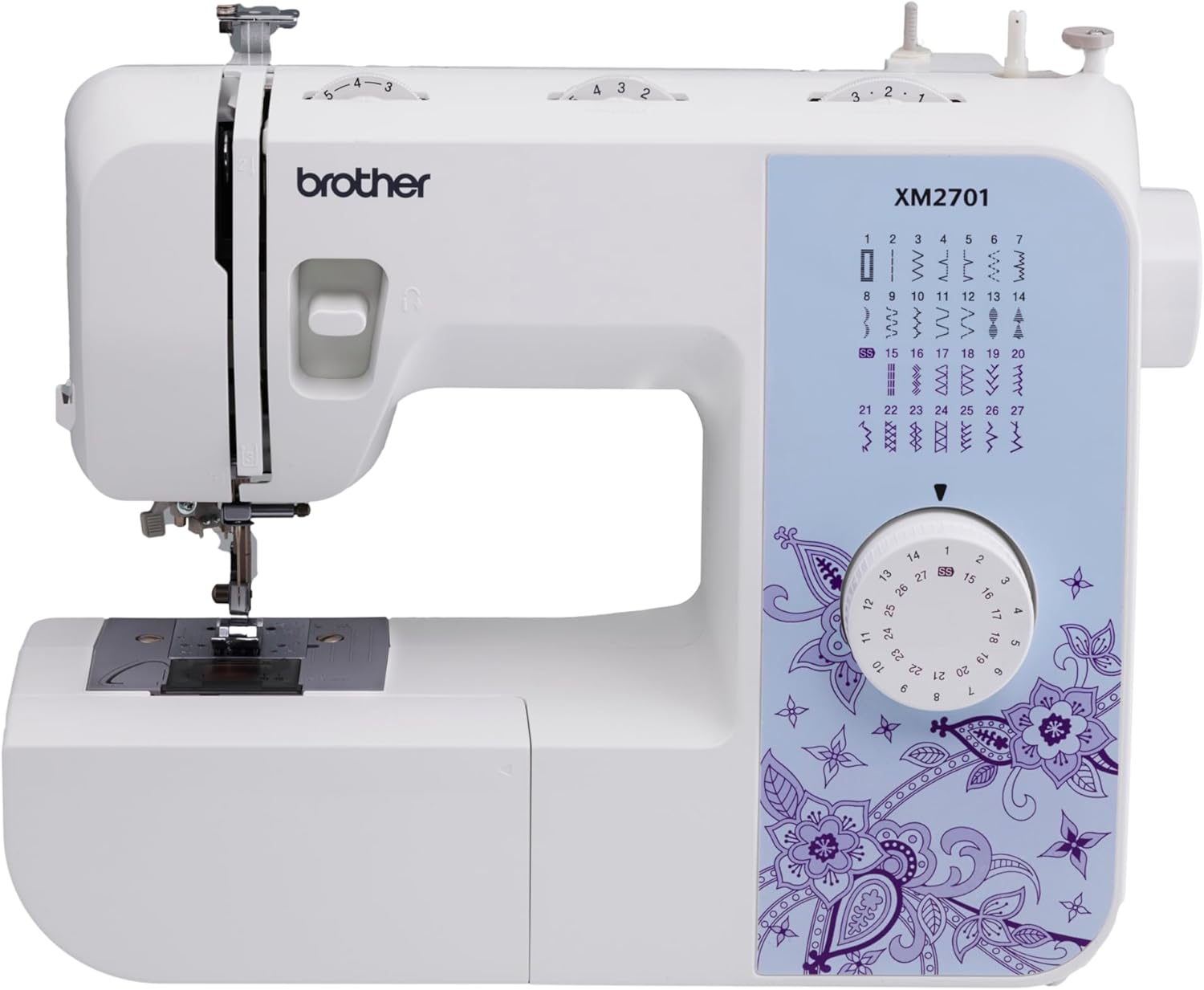
The Brother XM2701 is the machine I recommend to every beginner who walks into my class, and the bobbin winding is a big part of why. It's unfussy. The top-loading bobbin is visible through a clear cover, so you can see what's happening instead of guessing.
The winding mechanism has a little plastic disc that pops out when the bobbin is full, which sounds like a small thing until you've wound a bobbin on a machine that just keeps going and sprays thread everywhere.
I've had mine for six years. I've made Halloween costumes for a school of 400 kids on it, including a Totoro that survived three Halloweens, a seagull, a buoy, a snail, and a Forky. I've sewn baby blankets, kids' clothes, tote bags, fleece hats, chair covers, adult garments, and 14 Christmas stockings. The bobbin winding has never once let me down.
The secret is in the tension disc. The XM2701 routes the thread through a small metal disc before it hits the bobbin, and that disc keeps the tension consistent. I've wound hundreds of bobbins on this machine and never had one come out loose or lumpy. At ~$206.99, that's about six cents a day if you use it for six years. That's not a purchase, that's a bargain.
There's a catch. The machine won't plow through thick fabrics like leather or multiple layers of denim without adjustments. And the throat space is tight if you have big hands, which makes winding a bobbin feel a little cramped. But for a beginner on a budget, this is a darn good machine right here.
Best for Heavy Fabric: The Singer 4423 Heavy Duty
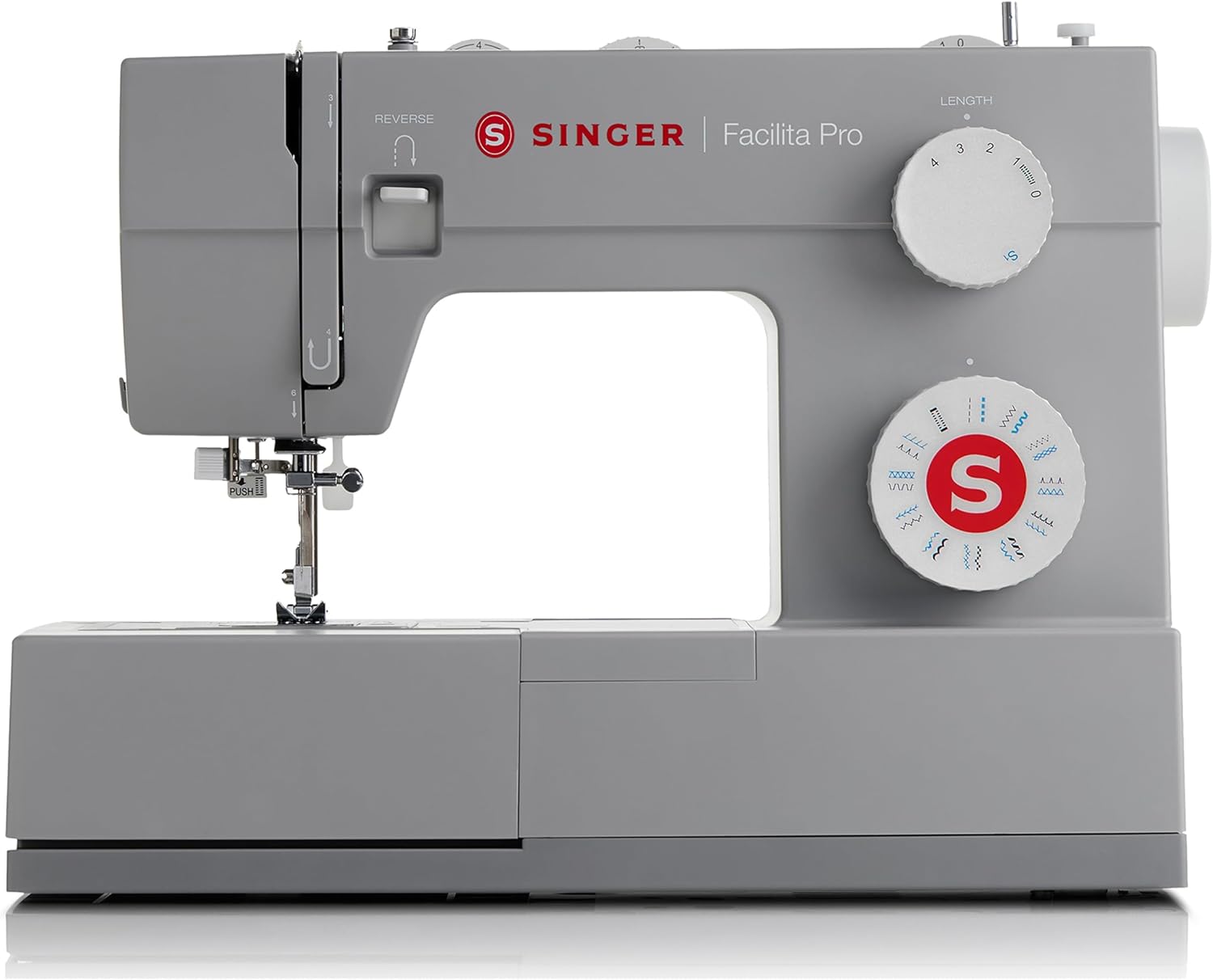
This is the machine I bought when my Brother couldn't handle the heavier stuff. I've sewn through four layers of Cordura on my Singer 4423 and it didn't even flinch. Leather, denim, nylon webbing, it'll plow through all of it like it's nothing.
But the bobbin winding is a different story. The 4423 uses clear plastic Class 15 bobbins only. Not 15J, not metal. Get that wrong and you'll have thread balled up under there and you'll blame the machine when it's your own fault.
I've seen it happen to a 67-year-old first-time sewer who bought this machine in March 2024 for simple clothing repairs.
He struggled with bobbin tangles, which turned out to be bad thread, not the machine. He learned via YouTube and went on to sew Hawaiian shirts, work shirts, and western shirts over four years, even tackling heavy Cordura.
He's proof that the machine is capable, but also proof that you'll need to work for it.
The instructions are sparse. Singer ships only safety warnings in the box, no real manual. You'll need YouTube and a downloaded manual. That's a real complaint from real buyers. One buyer called it the best unit at its price point while simultaneously admitting they had to download a manual and watch videos to figure out the bobbin winding.
The machine is capable, but the manufacturer doesn't respect your time.
The pedal is sensitive. It goes 0 to 60 in a leap. You'll need to practice on scraps before you're comfortable with it. But once you get the bobbin winding dialed in, this machine is off to the races.
How I Tested
I packed and unpacked these machines, wound bobbins half-empty and overstuffed, used them as my daily drivers for weeks at a time. I ran every machine through my seam test journal: five fabric types, three stitch lengths, and a verdict.
I wound bobbins with cheap thread, good thread, old thread, and thread that had been sitting in my shop long enough to collect a layer of Gus's dog hair.
My 60-pound labradoodle sleeps on a pile of half-finished projects, which means I've learned which machines can handle a bit of fur in the bobbin case without complaint.
Ease of winding
The Brother XM2701 wins this metric hands down. The top-loading bobbin means you can see the thread wrapping evenly as it winds. The automatic stop when the bobbin is full is reliable. I've never over-wound a bobbin on this machine, and I've never had one jam.
The Singer 4423 is a different beast. The bobbin is front-loading, which means you have to remove the accessory tray and open a small door to access it. It's not difficult, but it's less visible. You have to trust that the thread is winding evenly, and if you're using the wrong bobbin, you won't know until you've got thread balled up under there.
Thread tension
This is where the Singer 4423 surprised me. Once you get the bobbin wound correctly, the tension is remarkably consistent. I sewed through denim, Cordura, and nylon webbing without adjusting the tension dial once. The Brother is smoother on silk and lightweight fabrics, but it'll balk at a jeans hem.
Reliability over time
The Brother has never let me down in six years. Perfect stitches every time. The Singer is newer in my shop, but the buyer reports I've seen suggest it holds up well. Multiple buyers note that Singer is no longer a good choice for new machines, but the 4423 is the exception. I'd agree.
What else to consider
The Singer 4423 is the newer version of the heavy-duty machine, and it's fine, but it doesn't change the fundamental issue: Singer ships only safety warnings in the box, no real manual. If you're patient and willing to learn from YouTube, it's a capable machine. If you want to sew the day it arrives, get the Brother.
Sears Kenmore models from 20+ years ago were built to last. I cried when mine finally gave out. The people who owned them are now looking for replacements that match the quality, and the problem is most new machines don't.
Baby Lock machines are temperamental. Worse for threading than the Brother. I've used one, and I'd take the Brother every time.
Old Bernina machines have manuals that read like vintage Good Housekeeping. Hard to learn on. If you're a beginner, this is not the machine for you, no matter how pretty it looks on the shelf.
Should you buy the Brother XM2701?
If you're a beginner who wants to sew without fighting your machine, yes. The bobbin winding is foolproof, the manual is a real manual, and you can sit down and make something the same day you open the box. Will you outgrow it? Yes, eventually. I used mine for six years before upgrading. But six years is a long time, and at ~$130, that's a steal.
Should you buy the Singer 4423 Heavy Duty?
If you're sewing denim, leather, Cordura, or multiple layers of anything, this is the machine you need. It'll plow through fabric that would break a needle on the Brother. But you'll need to practice on scraps, hang onto your thread ends, and download a manual.
The bobbin winding takes patience, and the pedal takes practice. It's the best unit at its price point, but it's not for someone who wants to sew without effort.
The bottom line
How to wind a bobbin comes down to two things: the machine and the thread. Cheap thread will ball up under there no matter what machine you use. Wrong bobbins will too. But a machine that makes the process visible, like the Brother XM2701, will save you hours of frustration. A machine that hides the bobbin, like the Singer 4423, will cost you time until you learn its quirks.
I've been sewing for 12 years, and I still keep a seam test journal. I still test every machine on five fabric types and three stitch lengths before I'll give it a verdict. The Brother XM2701 is the machine I recommend to every beginner who walks into my class.
The Singer 4423 is the machine I recommend to anyone who needs to sew through heavy fabric. Both will wind a bobbin correctly, as long as you use the right thread, the right bobbin, and a little patience.
Your first machine should make you want to sew tomorrow. That's the real spec. Not the number of stitches, not the brand name, not the price. The Brother will do that. The Singer will too, but it'll make you work for it.
And honestly, there's something to be said for a machine that makes you earn your stripes. That 67-year-old man who learned to sew Hawaiian shirts from YouTube is proof that it's never too late, and that a machine that challenges you can still teach you everything you need to know.