I have spent twelve years sewing costumes, which means I have spent twelve years fighting fabric that did not want to be sewn: velvet with a nap that shifts under the foot, faux leather that sticks to the presser foot, taffeta that frays if you look at it wrong. When someone asks me to compare machines, they are usually asking one question underneath all the spec sheets. Will this thing make my fabric behave? That is the lens I bring to this Juki vs Brother sewing machines comparison, with a Singer in the mix because it is the machine a lot of people are already considering before they get serious about shopping.
The short answer: the Brother HC1850 is the machine I would hand a hobby sewer who splits time between garments and quilts, and the Juki HZL-F600 is the one I would tell a working sewist to stretch for. The Singer 4411 is a genuine budget entry with one caveat worth knowing before you click buy, and the cheapest item on this list, a five-count pack of heavy duty needles, is the upgrade I would make before I bought a second machine.
Related: Sewing Machine Tension Problems And How To Fix Them
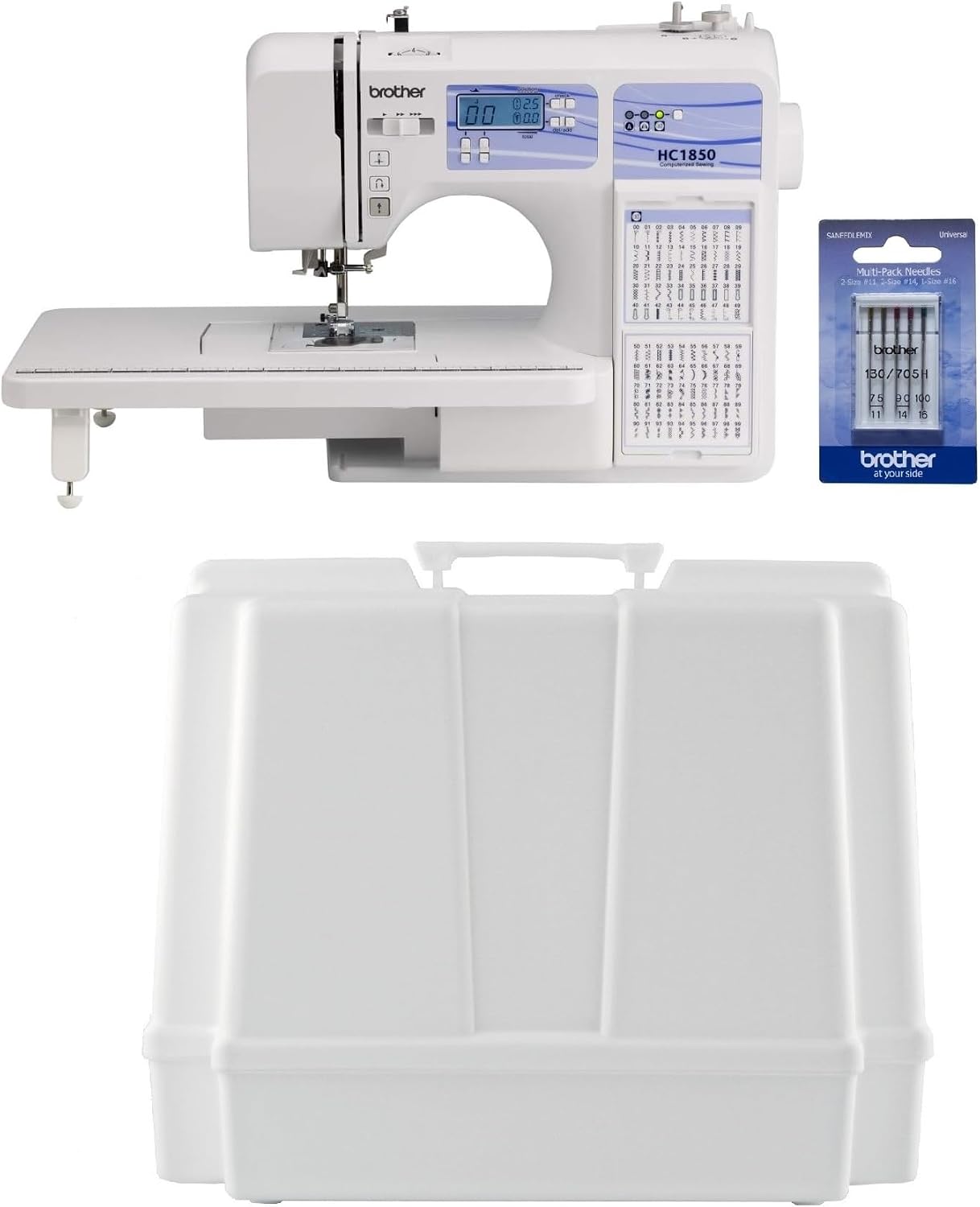
Brother HC1850 Sewing and Quilting Machine
185 built-in stitches and an LCD display cover garments, quilting, and craft work, and the hard storage case plus bundled needle set make it a complete starter kit
Most of those 185 stitches will never leave the menu, and a display means one more circuit board that can fail
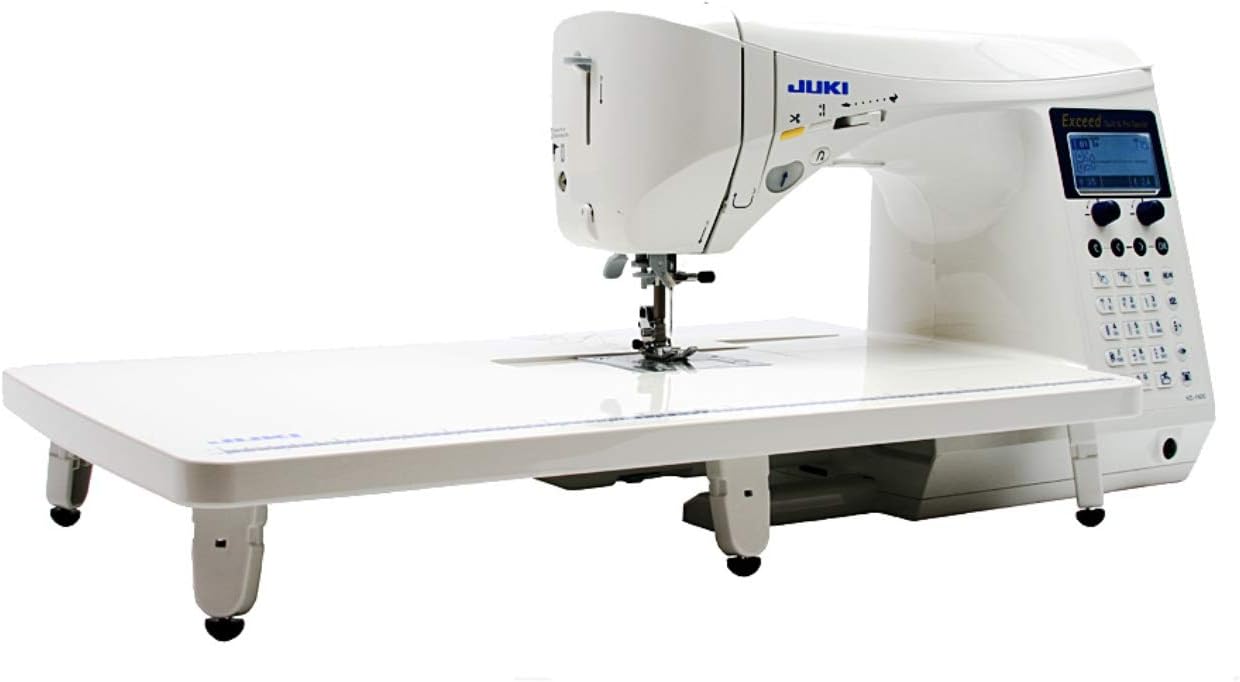
Juki HZL-F600 Computerized Sewing and Quilting Machine
Juki's reputation is built on straight stitch quality, and this is the machine in the group aimed at people who sew and quilt seriously
It costs more than the other two machines combined, and computerized boards are expensive to replace
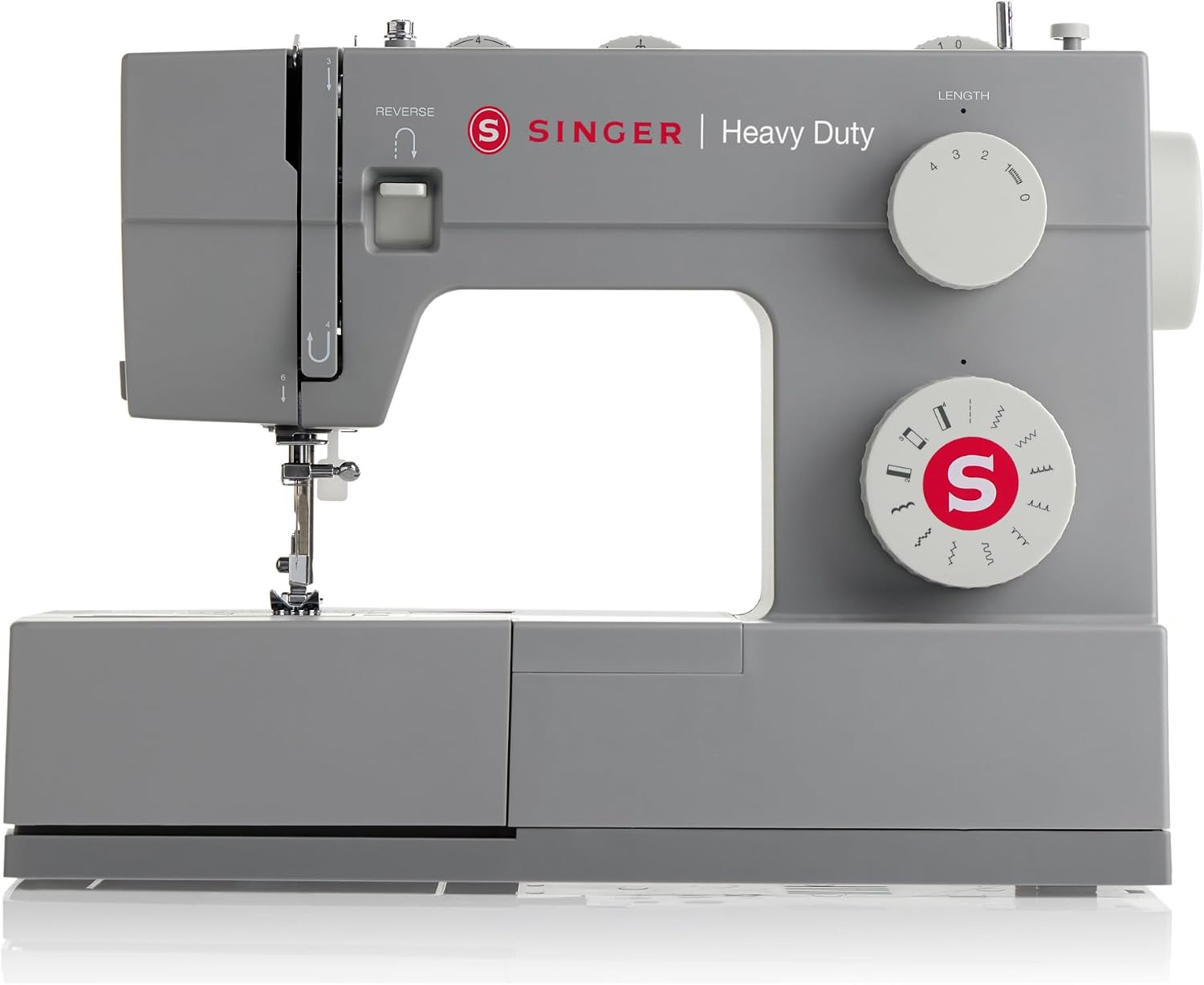
SINGER 4411 (Grey) High Speed Heavy Duty Sewing Machine with Accessories
The lowest entry price of the three machines, and it arrives with accessories, so the out-of-pocket start is small
Heavy duty is a marketing word on home machines, and Singer's modern reputation does not match the vintage machines people remember
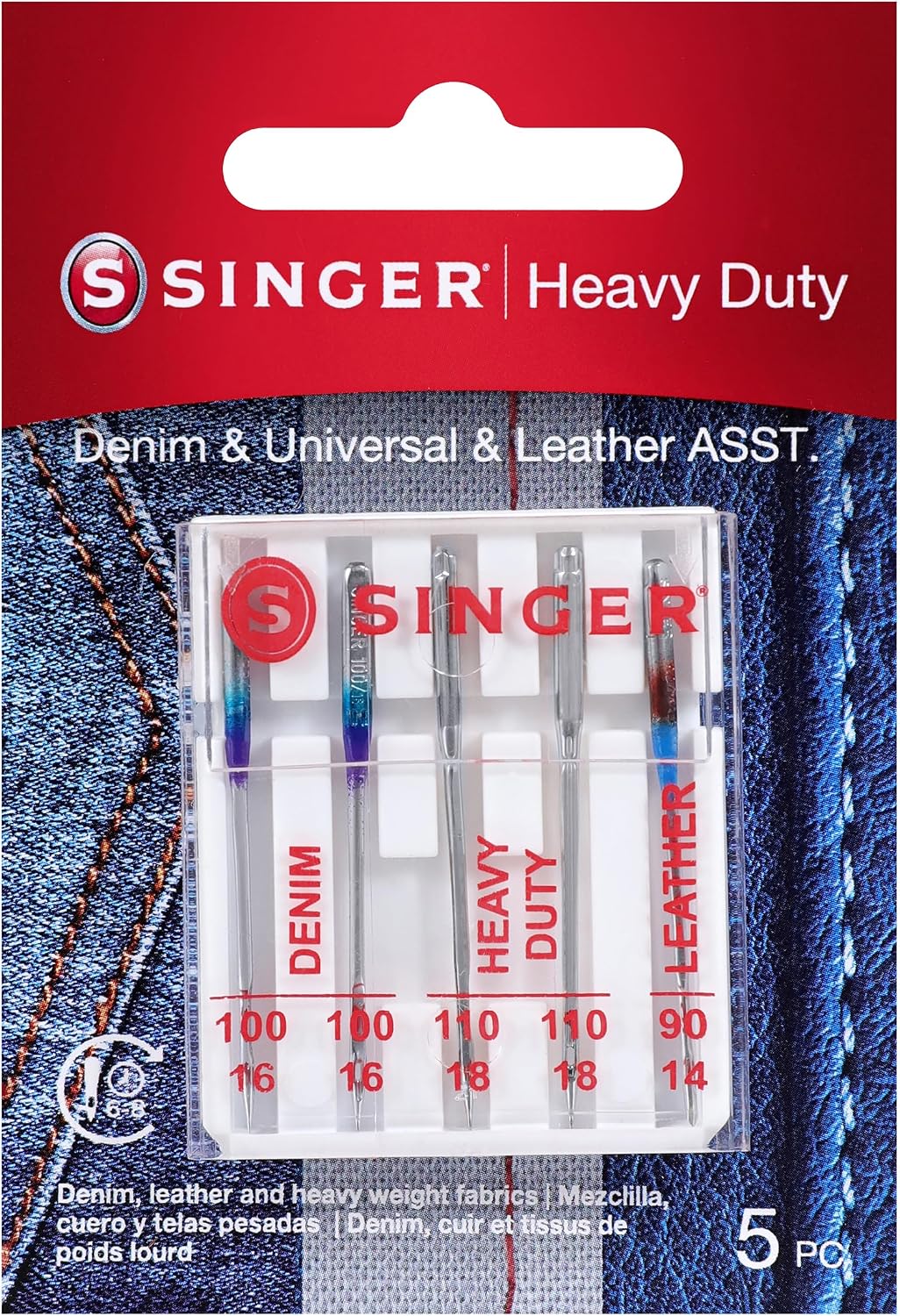
SINGER Heavy Duty Needles 90/14 100/16 110/18 Denim Leather 5-Count
Matching the needle to the fabric fixes more skipped stitches and broken thread than any machine upgrade at this price
It is not a machine, and a five-count pack disappears quickly if you sew denim or leather often
Prices and availability were captured from Amazon Creators API and may change.
How I judge a sewing machine
Stitch count is the number on the box that sells machines and the number that matters least once you get the thing home. A machine with 185 stitches uses maybe ten of them. What I care about, in order, is this.
First, the straight stitch. Run it through a mid-weight woven and then through something heavy, and listen. A machine that handles both without whining is a machine that will still be pleasant in year three. A machine that stalls and growls on the heavy pass is telling you exactly what it thinks of your denim jacket project.
Second, the tension dial. Balanced tension is the whole craft, and the dial should mean something when you turn it. If a quarter turn in either direction produces no visible change in the stitch, the machine is faking it and you will be fighting it forever.
Third, the buttonholes. Buttonholes tell you more about a machine's brain than any stitch count. A clean, repeatable buttonhole means the feed and the timing are working together. A sloppy one means you will be reaching for a seam ripper on every garment you finish.
Fourth, the repair path. Computerized features are wonderful until the board dies and the repair costs half of what you paid. That is not a reason to avoid computerized machines. It is a reason to buy one you intend to keep.
The Brother HC1850: the hobby workhorse
The HC1850 is the machine on this list I would hand to most people, and the reasoning is simple. It is built for the sewer who does not yet know what they will fall in love with. The 185 built-in stitches and the LCD display mean it covers garments, quilting, and craft projects without asking you to pick a lane at checkout, and the hard plastic storage case matters more than it sounds. A machine that lives in a case survives a move, a dorm room, and a dining table that has to be cleared for dinner. The bundled five-piece needle set is a small thing, but it means you can start sewing the day the box arrives instead of the day the needle order arrives.
Where it loses points is honesty about the stitch menu. I have never met a hobby sewer who used more than a dozen of those 185 stitches, and the menu scrolling gets old. The display is also one more electronic component in a machine that a beginner will probably store in a closet between projects. If you want the simplest possible long-term ownership, a display is not your friend.
Still, for the price of a mid-range machine, you get a quilting-capable, garment-capable, class-friendly tool with a case. That is the definition of buying for the fabric you actually sew.
The Juki HZL-F600: the machine for paid work
Juki's straight-stitch machines are industrial tanks, and that reputation is why the F600 sits at the top of this comparison. This is a computerized sewing and quilting machine aimed at someone who sews often and cares about the seam more than the feature list. If you are making garments you get paid for, or quilting at a volume where a wobbly stitch line shows up in the finished product, the jump in price is buying you consistency rather than novelty.
The trade-off is real and it is twofold. First, the cost. It is more than the Brother and the Singer combined, and that money is going into stitch quality and build rather than into a longer stitch menu. If you sew four times a year, that is a bad trade. Second, the electronics. Computerized machines do more and fail in more expensive ways. When a circuit board goes, the repair can cost half the machine, and that math changes how you feel about the purchase in year six.
Would I trust it on a paid costume? That is my test for any machine, and this is the one on the list that passes it on reputation alone. The honest caveat is that reputation is not the same as a seam test on your fabric, and no spec sheet replaces running a straight stitch on the actual material you plan to use.
The Singer 4411: the budget entry
The 4411 is where a lot of beginners start, and I understand why. It is the least expensive machine here, it ships with accessories, and the Singer name carries a century of goodwill. The problem is that the goodwill belongs to the vintage machines, not the modern ones. Singer's modern lineup is a shadow of what the brand used to mean, and the HD series is the part of that lineup I am least annoyed by. That is faint praise, but it is praise.
The label I want you to read skeptically is heavy duty. Heavy duty stamped on a home machine is a marketing decision, not an engineering one, and any machine in this price bracket will tell you the truth the first time you feed it three layers of denim. If your sewing is mostly cotton, knits, and the occasional curtain hem, the 4411 will do the job and save you money for fabric. If your plan is bags, upholstery, or leather, buy the needles below first and see how far that gets you before you spend on a machine.
The accessories included with it are a genuine plus for a first machine. You are not hunting for a presser foot on day one, and that keeps momentum going, which is the real spec for a beginner.
The needles nobody thinks about
The cheapest item on this list is the one I would buy first. A five-count pack of Singer heavy duty needles in 90/14, 100/16, and 110/18 covers the three sizes that handle most of what a home sewer actually sews. The 90/14 handles medium weight wovens and most garment work. The 100/16 is the denim and canvas size. The 110/18 is for heavy denim and leather, the projects where a machine starts to complain.
Here is the thing beginners do not hear often enough. Half of the "my machine is broken" posts I read are needle problems, not machine problems. A dull needle, or the wrong needle for the fabric, produces skipped stitches, broken thread, and that horrible popping sound on thick seams. People respond by buying a new machine. They should respond by changing the needle.
The trade-off is obvious: it is a consumable, not a tool you keep. Five needles go fast if you sew denim regularly, and the sizes in the pack are not the sizes you want for delicate work. For fine fabrics you want a much finer needle than anything in this pack, so this is a supplement to your needle drawer, not a replacement for it.
The trade-offs the table cannot show
The table compares machines, but the decision is about fabric and volume. Buy for the fabric you actually sew. A quilting-focused machine will frustrate a garment sewer who needs to set in a sleeve, and a garment machine will frustrate a quilter who needs throat space for a roll of batting. That mismatch is the most common expensive mistake I see.
The second trade-off is electronic versus mechanical. Computerized features are genuinely useful, and the Brother and the Juki both lean on them. But the older a computerized machine gets, the more the repair bill matters. If you sew professionally, that risk is a business expense. If you sew two weekends a month, it is a reason to think about how long you plan to keep the machine.
The third is the stitch count trap. The machine with the biggest number on the box is rarely the machine that sews the best seam. Ten stitches that work perfectly beat 185 that mostly sit unused.
What I would buy, and in what order
Buy the needles first, whatever else you do. They cost less than a movie ticket and they will fix problems you were about to blame on your machine.
If you are a hobby sewer who wants one machine that covers garments and quilting, the Brother HC1850 is the pick, and the hard case makes it easy to live with. If you sew for money or you quilt at volume and you want the seam quality to be the last thing you worry about, the Juki HZL-F600 is the machine that justifies the stretch. If you are a true beginner on a tight budget, the Singer 4411 gets you sewing this weekend, and you can upgrade later once you know what you actually make.
Your first machine should make you want to sew tomorrow. That is the real spec, and it is the one nobody puts on the box.